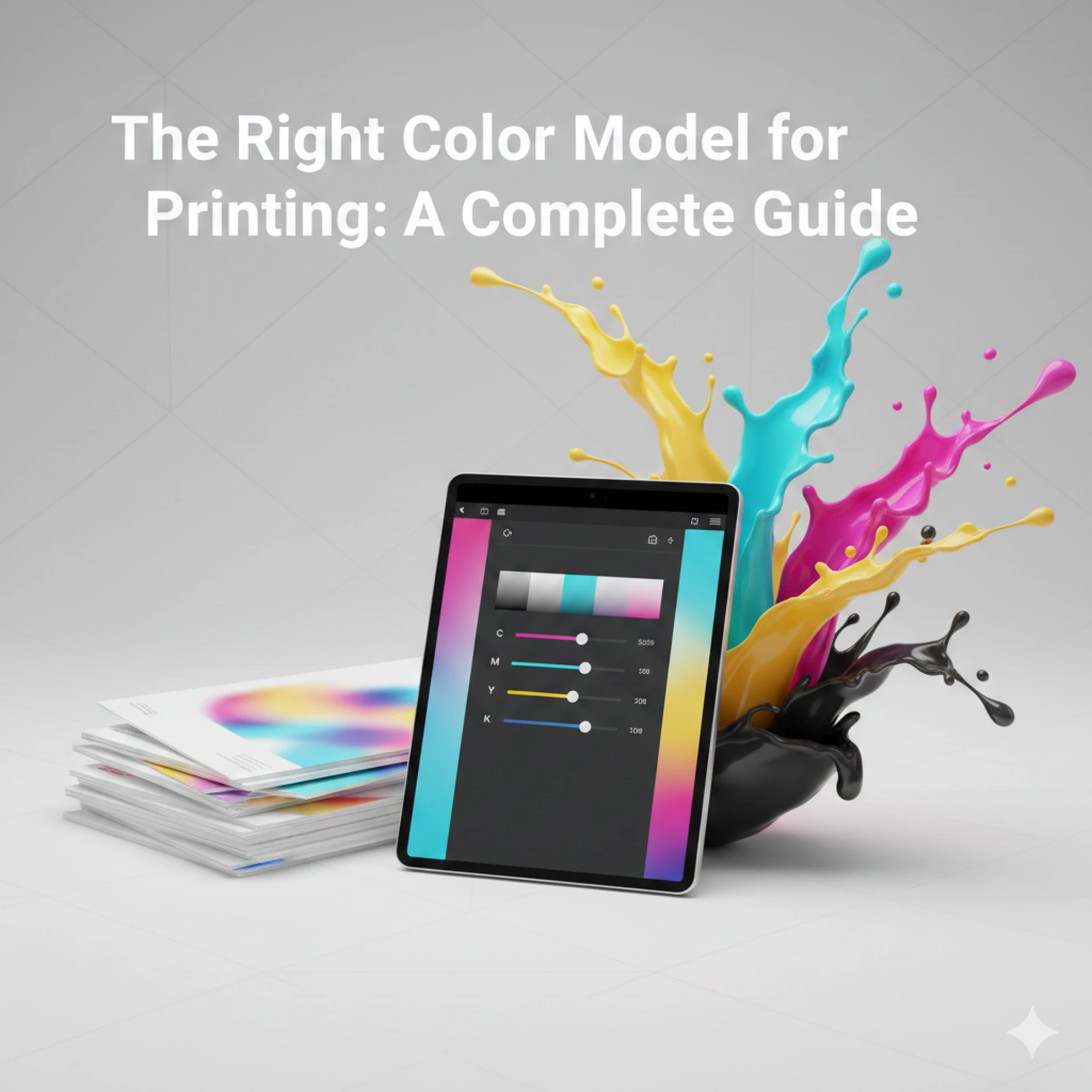

When it comes to printing, understanding color models is crucial for producing accurate, vibrant results. Choosing the wrong color model can lead to mismatched hues, dull prints, or wasted materials. This guide will help you understand which color model is best for printing and why it matters.
Understanding Color Models
A color model is a system for representing colors in digital or physical media. The two most common color models are:
- RGB (Red, Green, Blue): This is an additive color model used primarily for digital screens, such as computers, TVs, and mobile devices. Colors are created by mixing light, so combining all three at full intensity produces white. RGB is ideal for anything viewed digitally but is not suitable for printing.
- CMYK (Cyan, Magenta, Yellow, Black): This is a subtractive color model used for printing. In CMYK, colors are created by layering inks that absorb (subtract) certain wavelengths of light. Combining all colors theoretically produces black, but in practice, black (K) ink is added for depth and detail. CMYK is the standard for professional printing, including brochures, posters, packaging, and business cards.
Why CMYK Is the Right Choice for Printing
Printing with RGB can lead to unexpected results because printers cannot replicate some colors visible on screens. CMYK is designed to match the physical properties of ink on paper, providing accurate color reproduction. Some key benefits of using CMYK include:
- Color Accuracy: Ensures the printed output closely matches your design.
- Consistent Results: Helps maintain brand colors across different print materials.
- Professional Standard: Used by commercial printers worldwide.
Tips for Preparing Your Files for Print
To get the best results from your printed materials, follow these tips:
- Convert to CMYK: Always convert your digital files from RGB to CMYK before printing.
- Check Color Profiles: Use the printer’s recommended color profile (e.g., ISO Coated or US Web Coated) for accurate results.
- Proof Before Printing: Request a physical proof to see how colors appear on paper.
- Be Mindful of Bright Colors: Some vibrant RGB colors may not be reproducible in CMYK; adjust them accordingly.
Special Considerations
For high-end printing or specialty products, additional color systems may be used:
- Pantone Matching System (PMS): A standardized set of inks for exact color matching.
- Spot Colors: Used for logos or elements that require precise color reproduction beyond CMYK limitations.
Conclusion
Choosing the right color model is essential for professional printing. While RGB works for screens, CMYK is the standard for print, ensuring your designs are vibrant, accurate, and consistent. By understanding color models and following best practices, you can achieve high-quality printed materials that reflect your brand’s vision.




























Sign in to leave a comment.