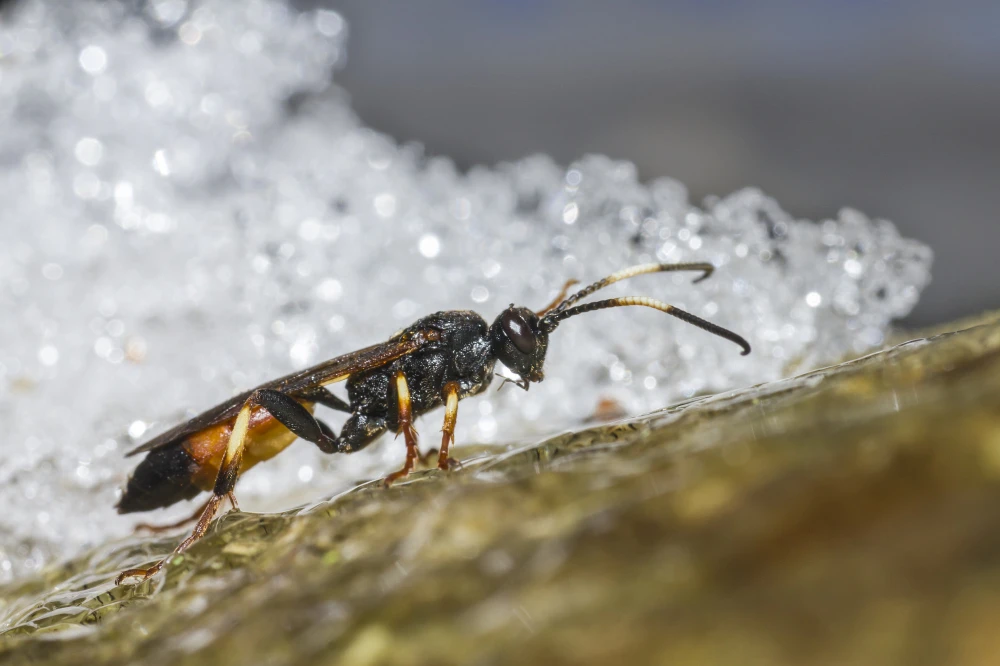

Carpenter bees can quietly destroy wooden structures. They do not eat wood, but they drill into it to build nests. Over time, this weakens decks, fences, fascia boards, and eaves. Many homeowners try quick fixes. Sprays. Fillers. Plugging holes. Most of these methods cause more damage than the bees themselves.
Carpenter bee removal protects your wood. It also prevents future infestations. This guide explains how to do it safely and correctly.
What Are Carpenter Bees and Why They Target Wood
Carpenter bees are solitary bees. They do not live in large colonies like honey bees. Each female creates her own nesting tunnel.
They prefer soft, untreated wood. Common targets include pine, cedar, and redwood. Painted or sealed wood is less attractive to them.
Carpenter bees often choose:
- Deck railings
- Pergolas
- Wooden siding
- Roof eaves
- Fence posts
Once a site is chosen, they return year after year. Old tunnels are reused and expanded. This is why early action matters.
Clear Signs of Carpenter Bee Activity
Carpenter bees leave visible clues. Most homeowners overlook them at first.
Common signs include:
- Perfectly round holes about ½ inch wide
- Piles of sawdust beneath the holes
- Yellow or brown stains on wood surfaces
You may also hear buzzing. Males hover aggressively near nests. They do not sting, but they intimidate.
In warm Texas springs, activity increases fast. Ignoring early signs leads to deeper tunnels. That results in expensive repairs.
Why Improper Removal Damages Wood
DIY methods often fail. Some actually make the problem worse.
Common mistakes include:
- Sealing holes while bees are still inside
- Using store-bought sprays on finished wood
- Hammering plugs into active tunnels
These actions trap moisture. They also force bees to drill new exits. That spreads damage across the structure.
Harsh chemicals can stain or rot wood. Power tools can splinter tunnel walls. The goal is removal, not destruction.
The Right Way to Remove Carpenter Bees Safely
Proper removal follows a process. It focuses on control first, repair second.
The correct steps include:
1. Identify active tunnels Fresh sawdust and buzzing indicate activity. Inactive holes look dry and dark.
2. Apply targeted treatments Professionals use dust or low-impact solutions. These reach deep into the galleries.
3. Remove adult bees safely This prevents immediate reinfestation. It also avoids unnecessary wood damage.
4. Treat internal tunnels Residual products stop larvae development. This breaks the life cycle.
This method protects structural integrity. It also reduces the chance of return.
Homeowners seeking carpenter bee removal in Katy often choose this approach to avoid long-term wood damage.
Why Professional Removal Makes a Difference
Carpenter bee control is not just about killing bees. It is about protecting your property.
Professionals use:
- Precision tools
- Wood-safe treatments
- Proven application methods
They understand bee behavior. They know where tunnels lead. They treat the problem at the source.
Local experience matters. Texas weather increases bee activity cycles. Humidity and heat affect wood expansion.
For homeowners considering carpenter bee removal in Katy, professional service often prevents repeat infestations that DIY methods fail to stop.
Repairing Wood After Carpenter Bee Removal
Removal is only half the solution. Proper repair restores strength and appearance.
Effective repair includes:
- Cleaning tunnel openings
- Applying wood filler correctly
- Sanding without enlarging holes
Once repaired, sealing is critical. Paints and stains act as deterrents. They make wood less appealing to bees.
Exterior-grade sealants last longer. They also protect against moisture. This reduces future nesting risks.
Many specialists offering carpenter bee removal in Katy also include repair and sealing to ensure long-term protection.
How to Prevent Carpenter Bees Without Harming Wood
Prevention saves money. It also protects curb appeal.
Effective prevention methods include:
- Painting exposed wood
- Sealing cracks and joints
- Replacing untreated lumber
Regular inspections help. Early detection limits damage. Spring is the most important season.
Professional prevention services go further. They apply deterrents to vulnerable areas. They also monitor recurring hotspots.
This is why homeowners looking for carpenter bee removal in Katy often choose bundled prevention plans instead of one-time treatments.
Carpenter Bees vs Other Wood-Damaging Pests
Carpenter bees are often confused with termites. The damage is different.
Carpenter bees:
- Drill clean, round holes
- Prefer exposed surfaces
- Cause visible damage
Termites:
- Eat wood internally
- Hide behind walls
- Cause structural collapse
Carpenter bees also differ from wood borers. Borers create irregular tunnels. Bees create smooth galleries.
Correct identification matters. Treatment methods vary widely. Misdiagnosis leads to wasted money.
Experts specializing in carpenter bee removal in Katy are trained to distinguish these pests accurately.
When to Call a Carpenter Bee Removal Expert
Some situations require professional help. Delaying action increases repair costs.
Call an expert if:
- Multiple nests are visible
- Damage returns each year
- Bees infest high or unsafe areas
Ladders and rooflines add risk. Improper access leads to accidents. Professionals handle this safely.
Homeowners dealing with repeated issues often find that carpenter bee removal in Katy by a local specialist provides permanent results.
Why Local Expertise Matters in Katy, TX
Local conditions influence bee behavior. Climate. Wood types. Building styles.
Homes in Katy often use exposed trim. Pergolas and patios are common. These attract carpenter bees quickly.
Local professionals understand these risks. They tailor treatments accordingly. They also follow Texas regulations.
This is why choosing a provider focused on carpenter bee removal in Katy ensures solutions designed for local homes.
Conclusion: Protect Your Wood the Right Way
Carpenter bees cause more than cosmetic damage. Left untreated, they weaken structures. Quick fixes rarely solve the problem.
The right approach focuses on:
- Safe removal
- Proper treatment
- Long-term prevention
Protecting wood requires experience. It also requires the right tools. For lasting results, many homeowners trust professional carpenter bee removal in Katy to eliminate damage without compromising their property.


























Sign in to leave a comment.