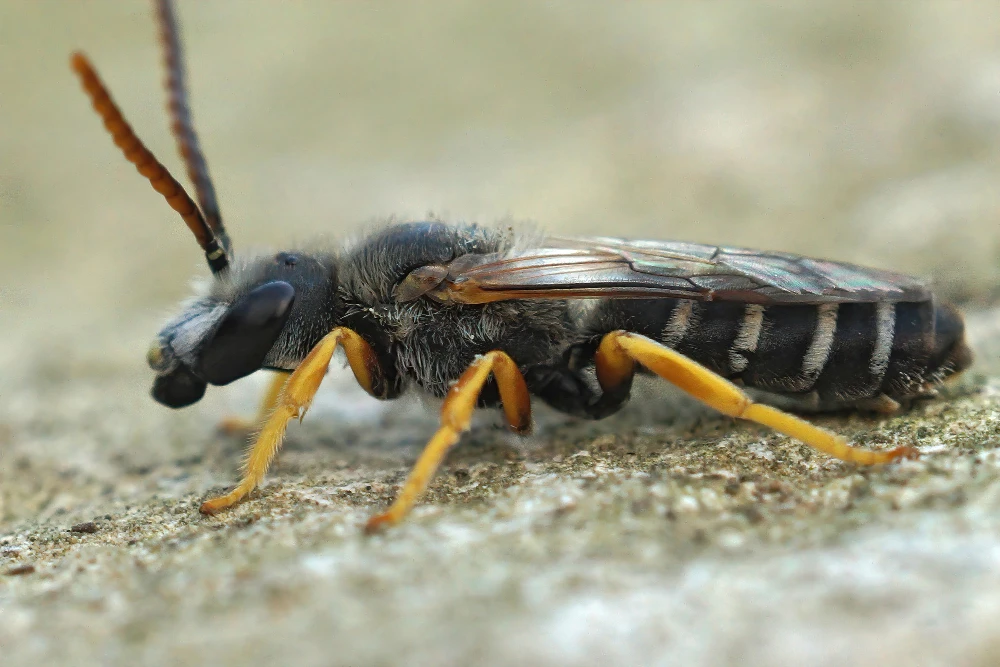

Mud wasp nests may look harmless. Many homeowners ignore them at first. This can be a serious mistake. In Katy, Texas, mud wasps are common. They often build nests close to homes. These nests can put children and pets at risk.
Understanding the dangers is important. Early action can prevent injuries and stress. It can also protect your family and animals.
This guide explains the health and safety risks. It also explains when professional mud wasp nest removal in Katy is the safer option.
What Are Mud Wasps and Why Do They Nest Near Homes?
Mud wasps are also called mud dauber wasps. They are different from aggressive wasps. They usually live alone, not in colonies.
Even so, they can still sting. Their nests are made from mud. They attach them to hard surfaces.
Why Katy Homes Attract Mud Wasps
Katy has warm weather most of the year. This creates ideal nesting conditions. Homes offer shelter and moisture.
Mud wasps often build nests in:
- Under roof eaves
- On porch ceilings
- Inside garages
- Near outdoor play areas
- Around dog houses and fences
These locations bring them close to people and pets.
Health Risks Mud Wasp Nests Pose to Children
Children are naturally curious. They play outdoors often. This puts them close to hidden nests.
Risk of Wasp Stings
Mud wasps usually sting when threatened. Children may throw balls or toys near nests. They may touch nests without knowing the danger.
A wasp sting can cause:
- Sharp pain
- Redness and swelling
- Skin infection if scratched
Some children have allergic reactions. This can lead to breathing problems. Medical help may be needed quickly.
Increased Risk During Outdoor Play
Playgrounds and yards are common nesting areas. Bikes, swings, and sports equipment can hit nests. This can trigger defensive stinging.
Wasp activity near children should never be ignored. Even calm wasps can become dangerous when disturbed.
Safety Risks for Pets Around Mud Wasp Nests
Pets face even greater risks. Dogs and cats do not understand the danger. They explore with their noses and paws.
Pets Triggering Defensive Stings
Dogs may bark at or sniff nests. Cats may try to swat moving wasps. This can cause multiple stings.
Stings often happen on the face or mouth. This is especially dangerous for pets.
Health Problems in Pets After Stings
Wasp stings can cause:
- Severe swelling
- Trouble breathing
- Vomiting or weakness
Pets may need emergency vet care. Some reactions happen very fast. This can be frightening for owners.
Mud wasp nests around pets should be treated as a serious safety issue.
Why DIY Mud Wasp Nest Removal Is Unsafe
Many homeowners try to remove nests themselves. This often leads to accidents. DIY removal can make the situation worse.
Common DIY Mistakes
Homeowners often:
- Knock nests down with tools
- Use sprays without protection
- Climb ladders without safety gear
These actions increase sting risk. They also increase fall risk.
Hidden Dangers of DIY Removal
Mud wasps may still be inside the nest. They may sting when disturbed. Some nests are higher than they look.
Chemical sprays can also be harmful. Children and pets may be exposed. This creates additional health concerns.
DIY methods rarely remove the problem fully. Wasps often return and rebuild.
When Mud Wasp Nests Become a Serious Hazard
Not all nests look dangerous at first. Some situations require immediate action.
You should be concerned if:
- Nests are near play areas
- Pets have access to nests
- Multiple nests appear on one home
- Nests return every season
Repeated wasp activity increases risk. Delaying removal allows the problem to grow.
This is when professional mud wasp nest removal in Katy becomes important.
Professional Mud Wasp Nest Removal in Katy
Hiring a professional offers safer results. Experts understand wasp behavior. They use proper tools and methods.
How Professionals Remove Mud Wasp Nests Safely
Professionals follow a careful process:
- Inspect all nesting areas
- Use protective equipment
- Remove nests completely
- Clean residue to prevent return
They focus on safety first. Children and pets are protected during the process.
Benefits of Hiring a Local Katy Expert
Local professionals know:
- Common mud wasp species in Katy
- Seasonal nesting patterns
- Effective prevention strategies
Professional removal reduces:
- Sting risk
- Property damage
- Future nesting problems
It also gives homeowners peace of mind.
Preventing Mud Wasp Nests Around Children and Pets
Prevention is always better than reaction. Simple steps can reduce nesting risks.
Helpful prevention tips include:
- Sealing cracks and gaps
- Reducing exposed mud sources
- Keeping outdoor areas clean
- Inspecting eaves and patios often
Regular inspections help spot nests early. Early removal lowers health risks.
Professional services often include prevention advice. This helps protect homes long term.
Why Early Action Matters for Katy Homeowners
Mud wasps are active during warm months. In Katy, this lasts much of the year. Waiting can allow nests to multiply.
Early action:
- Reduces sting risk
- Protects children and pets
- Prevents repeat infestations
It can also lower removal costs. Small problems are easier to handle.
Ignoring nests can lead to emergencies. Timely response keeps families safer.
Conclusion: Protect Your Children and Pets From Mud Wasp Risks
Mud wasp nests are not harmless. They pose real health and safety risks. Children and pets are most vulnerable. Stings can cause pain and medical issues. DIY removal can increase danger. Professional help offers safer results. If you notice nests near your home, act early. Professional mud wasp nest removal in Katy helps protect what matters most. A safe home starts with proactive care.























Sign in to leave a comment.