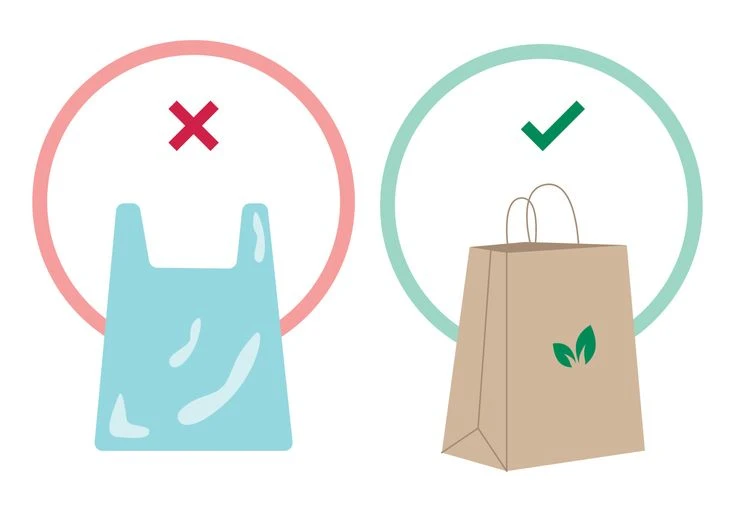
As the world becomes more environmentally conscious, businesses and consumers are shifting towards sustainable packaging solutions. Among the many alternatives to plastic, paper bags have emerged as a game-changer. With increasing environmental concerns and stricter regulations against plastic waste, the rise of eco-friendly packaging is not just a trend—it’s a necessity. Let’s explore why paper bags are the future of packaging and how they contribute to a greener planet.
1. The Environmental Crisis Caused by Plastic Bags
Plastic pollution is one of the most pressing global environmental challenges. Traditional plastic bags are non-biodegradable, taking hundreds of years to decompose. Every year, millions of tons of plastic waste end up in landfills and oceans, harming marine life and disrupting ecosystems. Plastic waste clogs drainage systems, contributes to flooding and releases harmful microplastics into the environment.
Governments and organizations worldwide are implementing bans and restrictions on plastic use, encouraging businesses to seek sustainable alternatives. This is where paper bags come into play, offering a biodegradable, recyclable, and renewable solution.
2. Why Paper Bags are the Best Alternative to Plastic
Unlike plastic, paper bags are eco-friendly and sustainable. They are made from renewable resources, primarily trees, and are easily recyclable. Let’s take a closer look at why paper bags are becoming the preferred choice:
a) 100% Biodegradable and Compostable
Paper bags decompose naturally within a few weeks to a few months, unlike plastic, which lingers for centuries. Since they break down into organic matter, they do not contribute to long-term pollution.
b) Recyclable and Renewable
Paper bags can be recycled up to 5-7 times, reducing the demand for raw materials and minimizing waste. Many manufacturers use recycled paper to create new bags, making the process even more sustainable.
c) Aesthetic and Customizable
Paper bags offer a premium, stylish, and eco-friendly appeal. They are widely used in retail, fashion, and luxury industries as businesses look for attractive yet sustainable packaging options. Custom branding on paper bags enhances brand visibility while promoting an eco-conscious image.
d) Safer for Food Packaging
Paper bags do not release toxic chemicals, making them a safer and healthier choice for food packaging. Many restaurants, bakeries, and grocery stores are switching to paper bags to ensure their products are packaged in a more sustainable way.
3. The Role of Businesses in Promoting Eco-Friendly Packaging
Companies worldwide are recognizing the importance of adopting sustainable practices. Consumers today prefer brands that align with environmental values, making it crucial for businesses to switch to eco-friendly packaging solutions like paper bags. Many corporations have already pledged to eliminate plastic packaging and reduce their carbon footprint.
Using paper bags not only helps businesses comply with government regulations but also enhances their reputation among eco-conscious consumers. A brand’s commitment to sustainability can be a major selling point, attracting customers who prioritize environmental responsibility.
4. Government Regulations Favoring Paper Bags
To combat plastic pollution, many countries have imposed bans on single-use plastic bags. This has led to a surge in demand for paper bags. Governments and local authorities are encouraging businesses to transition to biodegradable packaging, offering incentives for sustainable practices. Paper bags provide a compliant, future-proof solution for businesses looking to align with these regulations.
5. Innovations in Paper Bag Manufacturing
Modern technology has enhanced the durability and strength of paper bags, making them suitable for carrying heavier loads. Water-resistant coatings, reinforced handles, and stronger paper grades are making paper bags even more versatile.
Innovations in the industry continue to make paper bags more cost-effective and functional, ensuring they can replace plastic bags in all sectors. Manufacturers are also exploring tree-free paper options made from agricultural waste, bamboo, and other sustainable materials.
6. Consumer Awareness and the Demand for Sustainability
With increasing awareness about climate change and environmental degradation, consumers are actively seeking eco-friendly alternatives. Surveys show that people are willing to pay more for sustainable products, including biodegradable packaging.
By switching to paper bags, businesses not only cater to this demand but also play a role in creating a greener and healthier world. The rising popularity of paper bags reflects a positive shift in consumer behavior, pushing the industry toward sustainability.
7. The Future of Packaging: A Green Revolution
The shift towards eco-friendly packaging is irreversible. As more businesses, governments, and consumers recognize the urgent need for sustainability, paper bags are becoming the standard in retail, food, and e-commerce industries.
From major retail chains to small businesses, the adoption of paper bags is driving a global green revolution. The future of packaging lies in sustainability, and paper bags are leading the way.
Conclusion
The rise of eco-friendly packaging is shaping a future where sustainability is at the core of business practices. Paper bags are not just an alternative to plastic; they represent a commitment to environmental protection and a cleaner planet.
As we move towards a greener, more responsible world, it’s time for businesses and consumers to embrace the paper bag revolution. By making small changes in packaging choices today, we can create a big impact for future generations.
Let’s go green—one paper bag at a time! 🌱























Sign in to leave a comment.