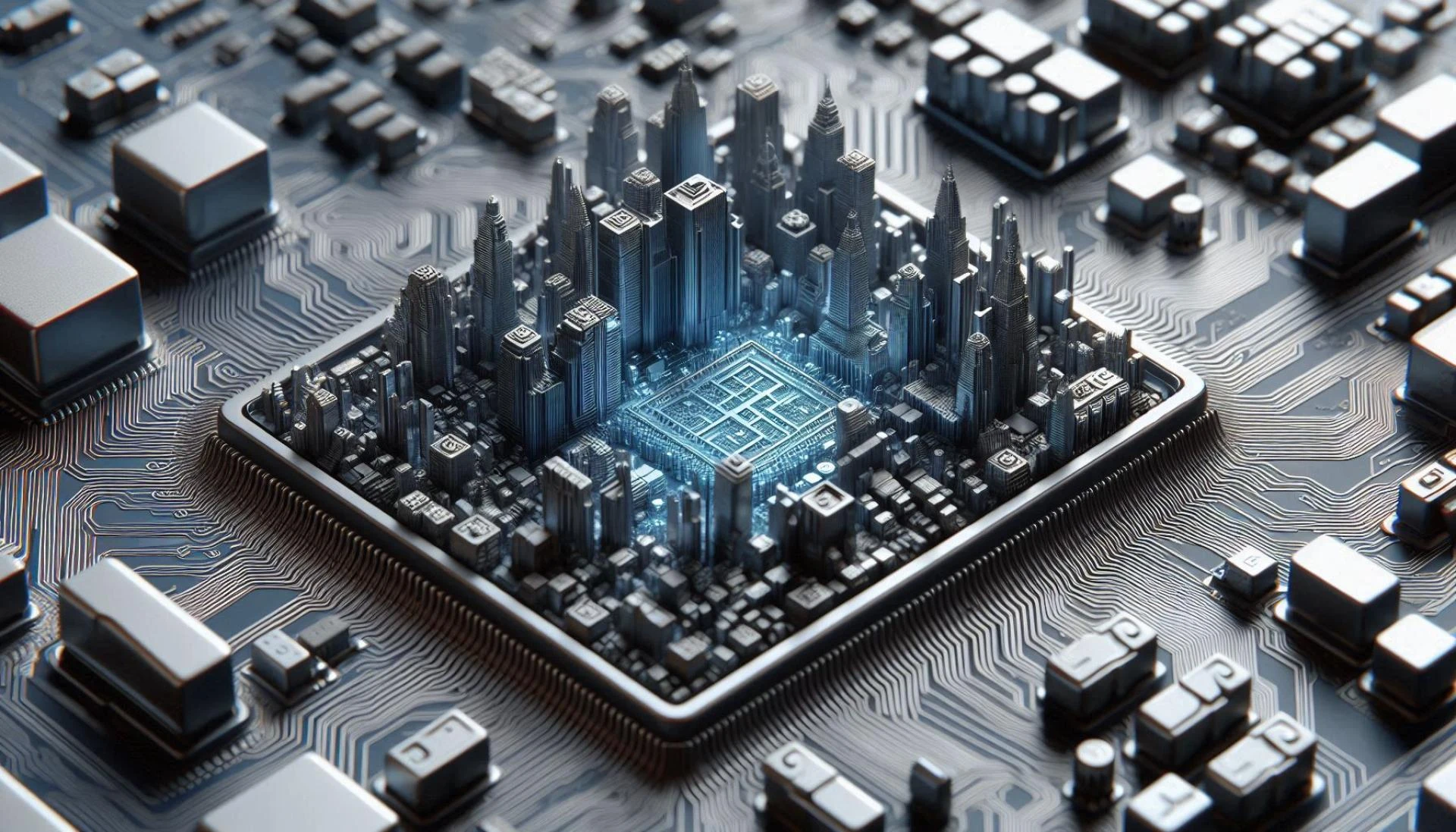

In the rapidly evolving landscape of technology, edge computing is emerging as a transformative paradigm, reshaping how data is processed and managed. Unlike traditional cloud computing, which centralizes data processing in remote data centers, edge computing brings computation and data storage closer to the devices generating the data. This article delves into the core concepts of edge computing, its benefits, challenges, and applications, as well as its implications for the future of technology.
What is Edge Computing?
Edge computing refers to the practice of processing data at or near the source of data generation rather than relying on centralized data centers. This approach minimizes latency, reduces bandwidth usage, and enhances the efficiency of data handling. According to Wikipedia, edge computing is particularly valuable in scenarios where real-time data processing is critical, such as autonomous vehicles, industrial automation, and healthcare.
Benefits of Edge Computing
- Reduced Latency: By processing data closer to its source, edge computing eliminates the delays associated with transmitting data to distant servers. This is crucial for applications like augmented reality (AR) and virtual reality (VR), where even a fraction of a second delay can degrade user experience.
- Enhanced Security and Privacy: Keeping sensitive data local reduces the risk of breaches during transmission. For example, in healthcare, patient data can be processed securely at the edge without being sent to the cloud.
- Lower Bandwidth Costs: Edge computing reduces the need to transfer large volumes of data over the network, saving bandwidth and associated costs.
- Improved Reliability: With edge computing, devices can operate independently of a central server, ensuring functionality even during network disruptions.
Challenges of Edge Computing
Despite its advantages, edge computing is not without challenges:
- Infrastructure Costs: Deploying and maintaining edge devices can be expensive.
- Complexity: Managing a distributed network of edge devices requires sophisticated tools and expertise.
- Scalability Issues: Scaling edge computing solutions across large networks can be challenging.
Applications of Edge Computing
Edge computing has found applications across various industries, including:
- Autonomous Vehicles: Self-driving cars rely on edge computing to process data from sensors in real-time, enabling quick decision-making and ensuring passenger safety.
- Smart Cities: Edge computing powers smart city applications like traffic management, surveillance, and energy optimization by processing data locally.
- Industrial IoT (IIoT): In manufacturing, edge computing facilitates real-time monitoring and predictive maintenance of equipment, reducing downtime and improving efficiency.
- Healthcare: Wearable devices and remote monitoring systems use edge computing to analyze patient data in real-time, enhancing diagnostics and treatment.
Edge Computing vs. Cloud Computing
While edge computing complements cloud computing, it does not replace it. Cloud computing remains essential for tasks requiring significant computational power or long-term data storage. The two paradigms often work together in hybrid models, leveraging the strengths of both approaches. For instance, edge devices can preprocess data locally and send aggregated results to the cloud for further analysis.
The Future of Edge Computing
As technologies like 5G, artificial intelligence (AI), and the Internet of Things (IoT) continue to evolve, the adoption of edge computing is expected to accelerate. The global edge computing market is projected to grow exponentially, driven by demand for faster, more efficient data processing solutions.
Businesses looking to optimize their operations should consider monitoring their systems' performance to ensure seamless integration of edge computing technologies. Tools like B Site Status Encyclopedia provide real-time insights into system performance, helping organizations maintain high reliability and efficiency.
Conclusion
Edge computing is poised to revolutionize the way we handle data, enabling faster, more secure, and efficient processing. While challenges remain, the benefits of this technology are undeniable, and its applications are expanding across industries. By embracing edge computing, businesses can stay ahead in an increasingly data-driven world, ensuring their operations remain competitive and innovative.


















Sign in to leave a comment.