
Islamic schools in the UK have grown significantly over the past few decades, especially in cities with large Muslim populations like Manchester. As Muslim families seek an education that aligns with their religious values, Islamic schools have become central to community life. These institutions offer a dual curriculum—merging British educational standards with Islamic teachings—to raise students who are both academically proficient and spiritually grounded. Why Islamic Schools?
Muslim parents often choose Islamic schools for several key reasons:
- Faith Preservation: Ensuring their children grow up with a strong Islamic identity.
- Safe Environment: Protecting children from bullying or Islamophobia.
- Cultural Understanding: Teachers and staff understand the religious and cultural background of students.
- Balanced Education: Integrating Islamic studies with the National Curriculum.
Types of Islamic Schools in Manchester
Manchester offers a wide range of Islamic educational institutions, including
- Manchester Muslim Preparatory School (MMPS)—A primary school focused on building foundational skills with an Islamic ethos.
- Manchester Islamic Academy (MIA)—A secondary school offering GCSEs alongside Islamic education.
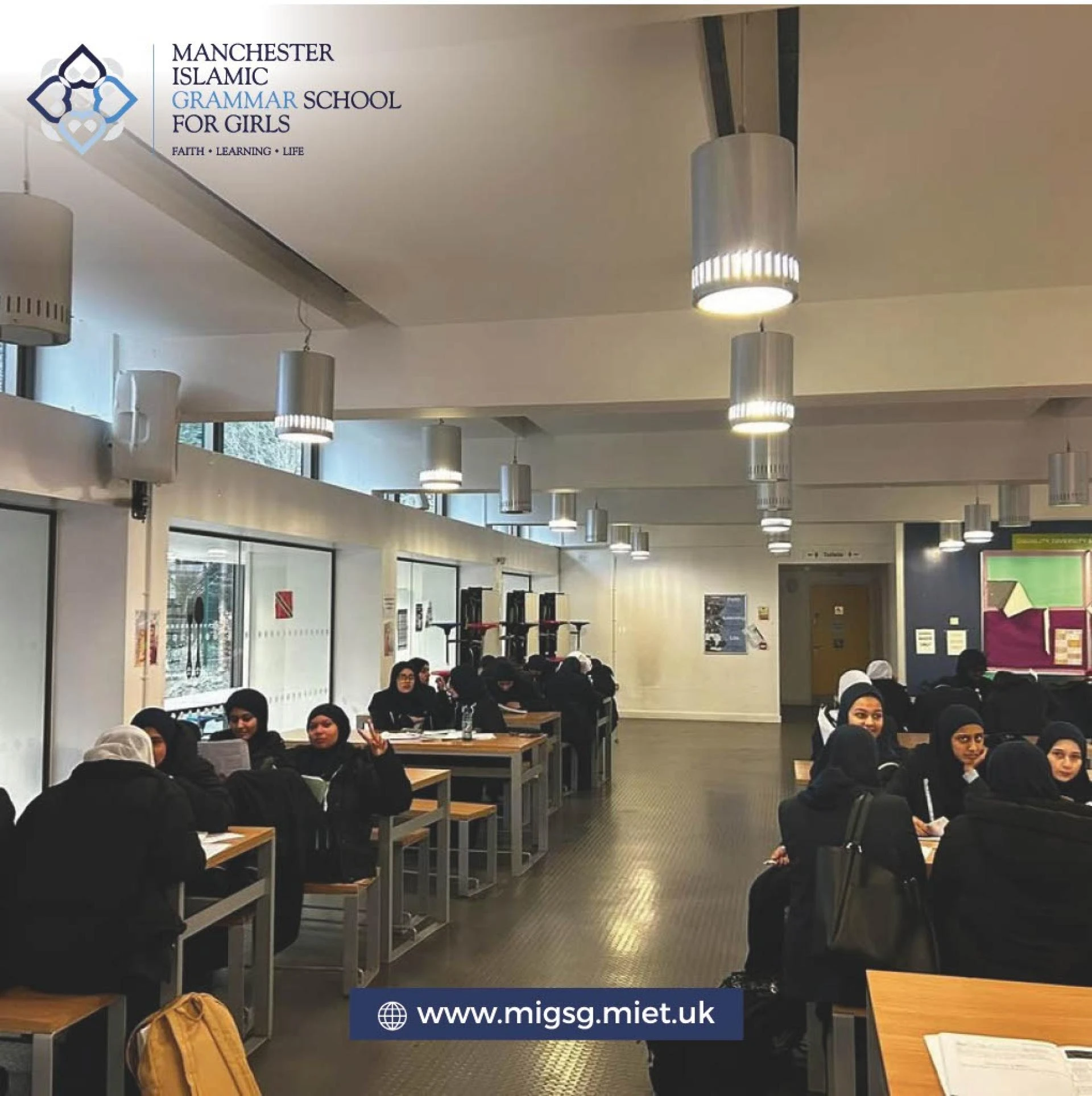
- Manchester Islamic Grammar School for Girls (MIGSG)—A top-performing school dedicated to empowering Muslim girls.
- KD Grammar School for Boys—known for discipline, academic results, and Quranic education.
These schools cater to various age groups and offer gender-specific or co-educational options based on Islamic guidelines.
Academic and Spiritual Excellence
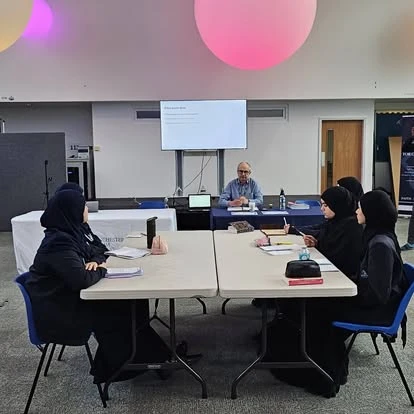
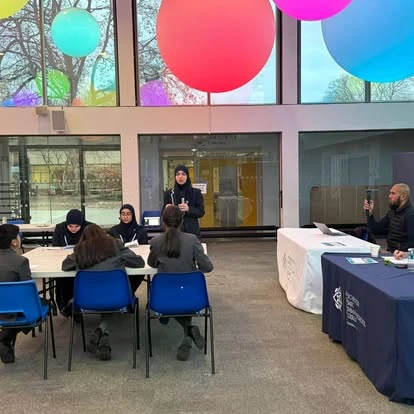
Islamic schools in Manchester are not only about religion—they are academic powerhouses. Many perform above national averages and offer excellent preparation for higher education. Their success is driven by small class sizes, high parental involvement, and a moral framework that encourages responsibility and hard work.
Core Islamic Values in Practice
Daily routines at Islamic schools often include:
- Morning assemblies with Islamic reminders
- Regular Qur’an recitation
- Salah (prayer) breaks
- Islamic etiquette and character building
These practices help students internalize values like honesty, modesty, compassion, and respect for others.
Challenges and Opportunities
Despite their success, Islamic schools also face challenges, such as
- Limited funding (especially independent schools)
- Regulatory scrutiny
- Balancing religious and national educational standards
However, the growing support from the Muslim community and recognition from educational authorities have opened new doors. Many Islamic schools now participate in national initiatives, interfaith programs, and academic competitions.
The Future of Islamic Education in Manchester
With demand increasing, the future of Islamic schools looks promising. More parents are opting for schools that reflect their faith while offering quality education. As these institutions continue to modernize and innovate, they are likely to become even more influential in shaping British Muslim identity.
Conclusion
Islamic schools in Manchester are doing more than just teaching subjects—they are building the moral, academic, and spiritual foundations of the next generation. By blending traditional values with modern educational methods, these schools empower students to navigate the world with confidence and purpose. Whether it’s at Manchester Muslim Preparatory School, Manchester Islamic Academy, or one of the many other trusted institutions, the commitment to faith and excellence remains strong.
























Sign in to leave a comment.