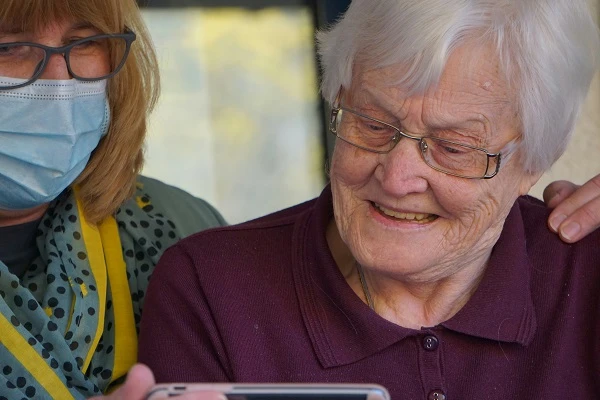

The healthcare landscape is undergoing a revolution, driven by automation and a shift towards patient-centric care. In both home care and traditional healthcare settings, automation plays a growing role. Statistics show that 73% of time spent by HR in healthcare organizations is dedicated to administrative tasks, highlighting the potential for automation to free up valuable resources. But one technology stands out in its ability to empower patients and transform care delivery: Remote Patient Monitoring (RPM).
What is Remote Patient Monitoring?
RPM refers to the use of technology to track patients' health data outside of traditional healthcare settings. This involves wearable devices, home monitoring kits, and other tools that collect information like vital signs, blood sugar levels, or activity levels. The collected data is then transmitted securely to healthcare providers for analysis, allowing them to gain real-time insights into a patient's condition.
Diving Deeper into the Benefits of Remote Patient Monitoring:
1. Enhanced Patient Engagement:
• Transparency and Empowerment: Real-time access to data (e.g., blood pressure readings, activity levels) gives patients a clear picture of their health, fostering a deeper understanding and sense of ownership. This empowers them to actively participate in their own care decisions.
• Improved Communication: User-friendly interfaces facilitate communication with healthcare providers. Patients can easily share concerns, ask questions, and track progress, leading to better collaboration and trust.
• Motivation and Adherence: Real-time feedback and progress tracking can motivate patients to adhere to treatment plans and lifestyle changes, ultimately improving health outcomes.
2. Timely Intervention and Reduced Hospitalizations:
• Early Detection: Continuous monitoring allows for early identification of potential issues (e.g., rising blood sugar, heart rhythm irregularities) before they escalate into serious complications.
• Proactive Interventions: Early detection enables timely interventions like medication adjustments, remote consultations, or lifestyle changes, preventing hospitalizations and improving overall health.
• Reduced Readmissions: Remote monitoring after discharge can identify potential problems early, preventing readmissions and associated costs.
3. Customized Treatment Plans:
• Data-Driven Decisions: Individualized data from RPM informs personalized care plans tailored to each patient's unique needs and conditions. This avoids a "one-size-fits-all" approach, leading to more effective treatment.
• Dynamic Adjustments: Continuous monitoring allows for continuous adjustments to treatment plans based on real-time data, ensuring optimal effectiveness and reducing the risk of adverse reactions.
• Improved Patient Outcomes: Personalized care plans aligned with individual needs significantly improve patient outcomes, including symptom management, disease control, and overall quality of life.
4. Breaking Geographical Barriers:
• Eliminating travel burdens: Imagine a diabetic in a remote village no longer needing to travel hours for regular blood sugar checks. With RPM, a home device and secure data transmission empower healthcare providers to remotely monitor vitals and intervene promptly.
• Overcoming physical limitations: Individuals with mobility challenges or transportation limitations can receive continuous monitoring without leaving their homes, reducing stress and ensuring timely care.
• Expanding specialist reach: Scarce specialists in urban areas can remotely monitor patients across vast distances, providing expert care regardless of location.
5. Improving Healthcare Accessibility:
• Reaching underserved communities: Remote areas often lack sufficient healthcare infrastructure. RPM bridges this gap, delivering basic and chronic disease monitoring where access was previously limited.
• Early detection and intervention: Continuous monitoring enables early detection of health issues, preventing complications and reducing the need for emergency care, which might be unavailable in remote regions.
• Empowering local healthcare workers: RPM tools can equip local healthcare workers with remote monitoring capabilities, enhancing their ability to manage patients and coordinate with specialists.
6. Additional Benefits:
• Reduced Anxiety: Knowing their health is being monitored remotely can provide peace of mind for patients, especially those with chronic conditions.
• Cost Savings: Timely interventions and reduced hospitalizations can lead to significant cost savings for both patients and healthcare systems.
• Improved Quality of Care: RPM empowers patients and enhances communication, ultimately leading to improved quality of care and patient satisfaction.
Navigating the Crossroads of Progress: Challenges and Opportunities in Remote Patient Monitoring
While Remote Patient Monitoring (RPM) offers a golden opportunity to transform healthcare, significant hurdles remain. One major challenge lies in complying with the intricate web of regulations governing data privacy, security, and patient consent. Thankfully, innovative companies like Global Touch LLC can serve as guides, facilitating seamless integration within diverse healthcare systems.
Financial considerations also present a roadblock, with initial implementation costs potentially discouraging healthcare providers. To bridge this gap, ai and automation solutions and strategic partnerships are crucial, ensuring the financial viability of adopting these transformative technologies. By acknowledging these challenges and actively seeking solutions, we can unlock the full potential of RPM, paving the way for a future of accessible, patient-centered, and cost-effective healthcare on a global scale.
Making a Difference Today- The impact of RPM is already tangible:
The impact of Remote Patient Monitoring (RPM) isn't just theoretical; it's already changing lives today. For individuals with chronic conditions, continuous monitoring through RPM allows for early detection of issues, prompt interventions, and ultimately, improved outcomes and a better quality of life. This isn't just anecdotal; studies have shown significant reductions in hospitalizations and complications for chronic disease patients using RPM. But the impact extends beyond individuals. In underserved communities, where access to quality healthcare can be limited, RPM bridges the gap. By enabling remote monitoring and early detection, entire communities benefit from increased healthcare accessibility, empowering them to take charge of their well-being. These real-world success stories offer compelling evidence that RPM isn't just a futuristic vision; it's a powerful tool making a tangible difference today.
Looking Ahead: The Future of RPM
Remote Patient Monitoring (RPM) is poised to evolve beyond its current capabilities, integrating exciting new technologies to further enhance patient care. One key trend is the seamless integration of wearable technology. Imagine smartwatches continuously monitoring vital signs, activity levels, and even sleep patterns, seamlessly transmitting data to healthcare providers, offering a more comprehensive picture of your health. This not only simplifies data collection but also improves the user experience, making monitoring more comfortable and convenient.
Furthermore, the synergy between RPM and telehealth holds immense potential. Imagine having a virtual appointment with your doctor while your RPM data is readily available, enabling real-time consultations and informed decision-making. This integrated approach creates a connected care ecosystem, empowering patients and healthcare providers alike, paving the way for a future where remote care is not just possible, but truly personalized and effective.
Conclusion: A Patient-Centric Future
RPM is not just a technology; it's a philosophy transforming healthcare. By placing patients at the center and leveraging technology like RPM, we can build a more inclusive, effective, and patient-centric future for healthcare globally.


























Sign in to leave a comment.