
Introduction
Blockchain technology is entering a new phase of adoption, and one of the most significant trends in 2026 is Real-World Asset (RWA) tokenization. While earlier blockchain use cases focused on cryptocurrencies and decentralized finance (DeFi), the focus has now shifted toward bringing physical and traditional financial assets onto the blockchain.
From real estate and commodities to stocks and intellectual property, tokenization is redefining how assets are owned, traded, and managed globally. This shift is creating new opportunities for businesses, investors, and financial institutions.

What is Real-World Asset (RWA) Tokenization?
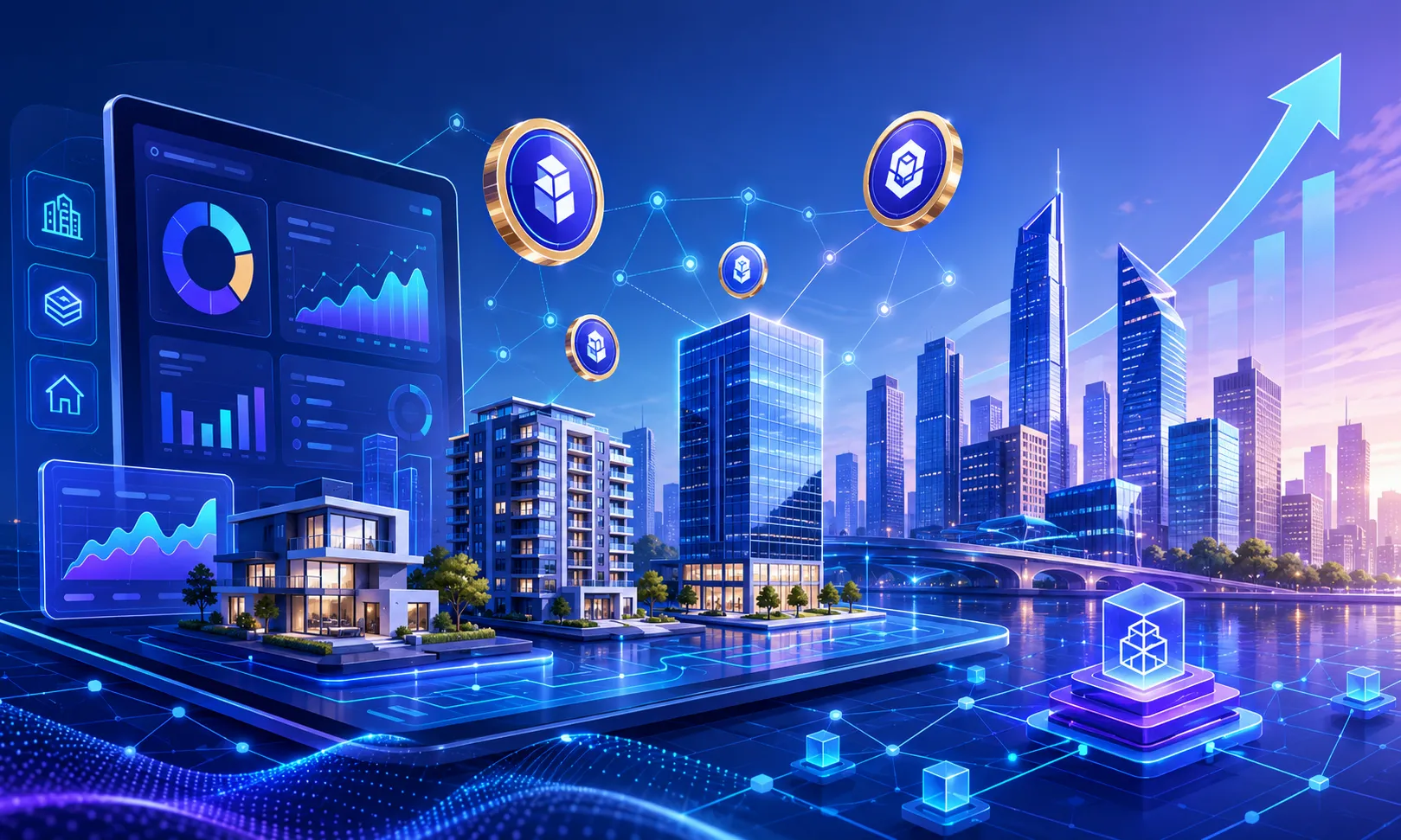
RWA tokenization is the process of converting physical or traditional financial assets into digital tokens on a blockchain. These tokens represent ownership rights and can be traded seamlessly across decentralized platforms.
For example:
- A real estate property can be divided into digital tokens
- Investors can buy fractional ownership
- Transactions become faster and more transparent
This approach removes traditional barriers such as high entry costs, limited liquidity, and complex paperwork.
Why RWA Tokenization is Gaining Massive Momentum in 2026
1. Increased Liquidity
Traditionally, assets like real estate and private equity are illiquid. Tokenization allows these assets to be divided and traded easily, unlocking liquidity in previously inaccessible markets.
2. Fractional Ownership
Investors no longer need large capital to invest in high-value assets. Blockchain enables fractional ownership, allowing more participants to enter the market.
3. Transparency and Security
Blockchain ensures that all transactions are recorded immutably, reducing fraud and increasing trust among stakeholders.
4. Global Accessibility
Tokenized assets can be accessed by investors worldwide, breaking geographical barriers and expanding investment opportunities.
Key Industries Being Transformed by Tokenization
Real Estate
Tokenization is revolutionizing property investment by allowing fractional ownership and faster transactions. Investors can now access global real estate markets without traditional complexities.
Financial Markets
Stocks, bonds, and other financial instruments are being tokenized to improve efficiency, reduce settlement times, and increase accessibility.
Commodities
Assets like gold, oil, and agricultural products are being tokenized, enabling secure and transparent trading.
Intellectual Property
Creators can tokenize patents, copyrights, and digital assets, creating new revenue streams and ownership models.
Why London is Emerging as a Hub for Blockchain and Tokenization
London continues to be a global leader in financial innovation. With a strong fintech ecosystem, regulatory advancements, and access to global talent, the city is becoming a key hub for blockchain adoption and tokenization projects.
Businesses in London are increasingly exploring blockchain solutions to:
- Improve financial processes
- Enable asset digitization
- Build decentralized platforms
As competition grows, companies are actively seeking experienced blockchain partners to implement these advanced solutions.
Challenges in RWA Tokenization
Despite its potential, tokenization comes with challenges:
- Regulatory uncertainty across regions
- Legal complexities in asset ownership
- Technology integration with traditional systems
- Security concerns in smart contracts
These challenges highlight the importance of working with experienced blockchain development teams.
How Businesses Can Leverage RWA Tokenization
To successfully implement tokenization, businesses should:
1. Identify the Right Use Case
Not all assets are suitable for tokenization. Businesses must evaluate feasibility and demand.
2. Choose the Right Blockchain Platform
Platforms like Ethereum, Polygon, and Hyperledger offer different capabilities depending on the use case.
3. Ensure Regulatory Compliance
Compliance is critical to avoid legal issues and ensure long-term sustainability.
4. Partner with Blockchain Experts
Working with experienced developers ensures secure implementation and scalability.
The Role of Blockchain Development Companies
A professional blockchain development company plays a crucial role in:
- Designing tokenization frameworks
- Developing smart contracts
- Ensuring security and compliance
- Integrating blockchain with existing systems
For businesses aiming to adopt tokenization successfully, working with an experienced blockchain development company in London can help build scalable and secure blockchain solutions tailored to specific needs.

Future of Tokenization
The future of RWA tokenization looks promising, with trends such as:
- Institutional adoption of tokenized assets
- Integration with AI and automation
- Growth of decentralized marketplaces
- Increased regulatory clarity
Tokenization is expected to become a core component of the global financial system.
Conclusion
Real-World Asset tokenization is redefining how assets are owned, traded, and managed. By combining blockchain technology with traditional finance, it is unlocking new levels of efficiency, accessibility, and transparency.
As adoption accelerates in 2026 and beyond, businesses that embrace tokenization early will gain a competitive advantage. However, success depends on the right strategy, technology, and development partner.
























Sign in to leave a comment.