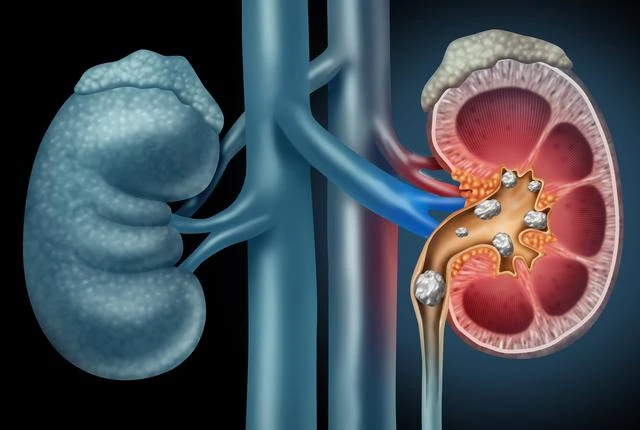

Our kidneys are vital organs that play a crucial role in maintaining overall health. They filter waste products, balance fluids, regulate blood pressure, and contribute to bone health, among other functions. However, despite their importance, kidney-related health issues often go unnoticed until they reach an advanced stage. This is where a kidney specialist or nephrologist comes in. But when should you see a kidney specialist, and why is it necessary? In this blog, we’ll explore the role of a kidney specialist, why kidney health should never be overlooked, and when to seek professional help.
What is a Kidney Specialist?
A kidney specialist, or nephrologist, is a doctor trained in diagnosing and treating diseases and disorders of the kidneys. Nephrologists have specialized knowledge of kidney function, kidney diseases, and the complex ways these organs interact with the rest of the body. Their training allows them to handle a wide range of kidney-related conditions, from common ones like kidney stones to chronic diseases like chronic kidney disease (CKD) and even kidney transplants.
While a general practitioner (GP) can often identify signs of kidney trouble and recommend basic treatments, a nephrologist offers a deeper understanding and advanced treatment options. They can help with everything from diagnosing complex kidney issues to managing long-term care for patients with serious kidney conditions.
Why Kidney Health Matters
The kidneys filter waste products, excess fluids, and toxins from the bloodstream. They also regulate electrolyte levels, produce hormones that control blood pressure, and help balance your body’s calcium and phosphorus levels. They play an indispensable role in maintaining the overall health of the body. Here are just a few of their primary functions:
- Waste Filtration: Kidneys filter about 50 gallons of blood daily, removing excess waste and fluids in the form of urine.
- Blood Pressure Regulation: The kidneys help regulate blood pressure by adjusting the volume of fluid and salt in the body.
- Hormone Production: Kidneys produce hormones such as erythropoietin, which stimulates red blood cell production, and renin, which helps regulate blood pressure.
- Electrolyte Balance: They help maintain a balance of essential electrolytes, including sodium, potassium, and calcium, ensuring proper function of muscles and nerves.
When kidney function begins to decline, the effects can be wide-ranging. Chronic kidney disease (CKD), for instance, can lead to high blood pressure, anemia, bone disease, and even cardiovascular problems. This is why paying attention to kidney health is essential, and why seeing a kidney specialist when necessary can help prevent or manage kidney-related issues.
When to See a Kidney Specialist
It can sometimes be difficult to recognize kidney problems early because they often don’t show symptoms until the damage is severe. However, there are some warning signs that could indicate you need to see a kidney specialist:
1. Swelling and Fluid Retention
One of the early warning signs of kidney problems is fluid retention, which can cause swelling, particularly in the legs, ankles, feet, or around the eyes. This is because the kidneys are no longer able to effectively filter out excess fluid from the body. If you notice unexplained swelling that doesn’t go away with elevation or compression, it could be a sign of kidney dysfunction.
2. Changes in Urination Patterns
If you experience significant changes in your urination patterns, such as frequent urination, especially at night, or a decrease in the volume of urine, this might indicate kidney issues. Additionally, if your urine appears foamy, which could suggest high levels of protein, or if there is blood in your urine, it’s crucial to consult a nephrologist right away.
3. Fatigue and Weakness
Kidneys produce erythropoietin, a hormone that stimulates the production of red blood cells. When kidney function declines, erythropoietin production decreases, leading to anemia. Anemia can cause feelings of extreme tiredness, weakness, and shortness of breath. If these symptoms are persistent, a kidney specialist can evaluate whether they are related to kidney function.
4. High Blood Pressure
Kidneys help regulate blood pressure by balancing fluids and releasing hormones. If your kidneys aren’t functioning properly, it can lead to high blood pressure (hypertension). Often, kidney-related high blood pressure doesn’t cause obvious symptoms, so it’s important to get regular check-ups with your doctor, especially if you have a family history of kidney disease.
5. Persistent Back or Side Pain
While occasional back pain is common, persistent pain in the lower back or sides, particularly near the kidneys, could indicate an issue. Kidney-related pain is often dull and constant and may be accompanied by fever or changes in urination. Conditions like kidney stones, urinary tract infections (UTIs), or kidney infections can cause this type of pain.
6. Family History of Kidney Disease
If you have a family history of kidney disease, you are at a higher risk of developing kidney-related problems yourself. In such cases, regular visits to a kidney specialist for screening and early intervention can help detect kidney problems before they become more severe.
7. Diabetes or Chronic Conditions
If you have diabetes, high blood pressure, or another chronic condition, you should be regularly monitored for kidney health. Both diabetes and hypertension are leading causes of kidney disease. A nephrologist can help you manage these conditions to prevent kidney damage.
If you are looking for an expert in kidney health, you might want to consult a Kidney Specialist in Bangalore. For residents in the region, Shree Srinivasa Uro Care offers specialized kidney care services, ensuring comprehensive diagnosis and personalized treatment plans for various kidney conditions. Whether it's early detection, ongoing management, or complex treatments, their team of experienced nephrologists is dedicated to your kidney health.
What a Kidney Specialist Can Do
When you visit a kidney specialist, they will perform a thorough evaluation of your kidney health. This may involve:
- Blood Tests: To measure levels of waste products like creatinine and blood urea nitrogen (BUN), which can indicate how well your kidneys are functioning.
- Urine Tests: To check for protein, blood, or abnormalities that might suggest kidney problems.
- Imaging Tests: Such as ultrasound, CT scans, or MRIs to assess the kidneys' size, structure, and any blockages or damage.
- Biopsy: In some cases, a kidney biopsy might be necessary to diagnose certain kidney diseases.
Based on these results, a nephrologist can develop a treatment plan tailored to your condition. For chronic kidney disease (CKD), they can work with you to slow progression and manage symptoms through medications, lifestyle changes, or even dialysis or kidney transplant if needed.
Why Seeing a Kidney Specialist is Important
Kidney diseases often don’t present clear symptoms until they’re in advanced stages, making it easy to overlook kidney health. Early intervention by a kidney specialist can prevent kidney disease from progressing and help manage any underlying conditions. The sooner kidney issues are identified, the more effective the treatment options are. Nephrologists also provide personalized care plans to manage chronic kidney diseases, improving the quality of life for patients and offering hope for those needing more intensive treatments.
Conclusion
Your kidneys are essential for maintaining your overall health. A nephrologist is your ally when it comes to preventing kidney disease and managing any potential kidney-related issues. If you experience any of the warning signs mentioned or have a family history of kidney disease, don’t hesitate to make an appointment with a kidney specialist. Early detection and treatment can make a significant difference in the outcome of kidney conditions, allowing you to maintain better health and quality of life. Remember: taking care of your kidneys is an investment in your long-term well-being.
Original Sources : - The Role of a Kidney Specialist: When and Why You Need One































Sign in to leave a comment.