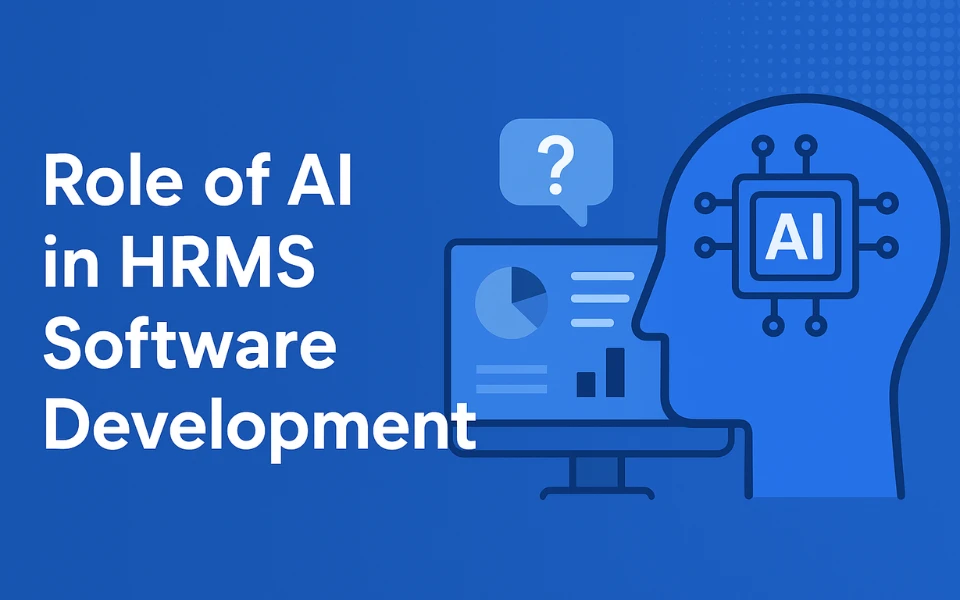
AI's role in human resource management software development is no longer a futuristic concept but a present-day reality. By integrating artificial intelligence into HRMS platforms, organizations can automate repetitive administrative tasks, gain deeper insights from data, and create a more strategic, employee-centric HR function. This shift from manual processes to intelligent automation is revolutionizing how companies manage their most valuable asset: their people. For any HR software development company aiming to stay competitive, incorporating AI isn't just an option—it's a necessity.
The AI-Powered HRMS: A New Paradigm
The traditional HRMS has always been a repository for employee data, a tool for managing payroll, and a system for tracking attendance. However, with the advent of AI, the HRM software development landscape has evolved dramatically. AI-driven systems go beyond simple record-keeping; they actively analyze data to provide predictive insights and automate complex workflows. This transformation allows HR professionals to move away from administrative burdens and focus on strategic initiatives like talent development, employee engagement, and succession planning.
Enhancing the Employee Lifecycle with AI
From a candidate's first interaction with a company to their eventual offboarding, AI plays a pivotal role in every stage of the employee lifecycle.
1. Talent Acquisition & Recruitment
Recruitment is arguably one of the most time-consuming and critical functions of HR. AI streamlines this process by automating tasks that previously took up significant human time.
- Intelligent Sourcing and Screening: AI algorithms can scan thousands of resumes and online profiles in minutes, identifying candidates who best match job requirements. This allows recruiters to focus on the most promising applications rather than sifting through countless irrelevant ones. AI-powered applicant tracking systems (ATS) can filter candidates based on skills, experience, and even cultural fit, significantly reducing time-to-hire.
- Bias Reduction: One of the most significant benefits of AI in hiring is its potential to reduce unconscious bias. By focusing on objective data points and skills, AI can help create a more equitable hiring process. For instance, an AI can be trained to disregard demographic information like age, gender, or race, ensuring that decisions are based purely on a candidate's qualifications.
- Conversational AI: AI chatbots and virtual assistants, a core component of hr portal development, provide a seamless experience for job seekers. They can answer frequently asked questions, schedule interviews, and provide real-time updates on application status, making the hiring process more efficient and user-friendly.
2. Onboarding & Training
A strong onboarding process is crucial for new hire retention and long-term success. AI can personalize and automate this experience, making it more effective.
- Personalized Onboarding: AI can create tailored onboarding journeys for each new employee, ensuring they receive the most relevant information, training materials, and resources based on their role and department.
- Adaptive Learning: AI-powered learning and development platforms can analyze an employee's performance data and skill gaps to recommend customized training modules. This targeted approach helps employees upskill and reskill efficiently, aligning their growth with organizational needs.
3. Performance Management & Engagement
Beyond hiring, AI provides continuous support throughout an employee's tenure.
- Continuous Performance Feedback: AI can facilitate a shift from traditional, infrequent performance reviews to continuous feedback cycles. By analyzing data from various sources—like project management tools and communication platforms—AI can provide real-time insights into an employee's performance, allowing managers to give timely and constructive feedback.
- Predictive Analytics for Attrition: AI models can analyze employee data to predict which employees are at risk of leaving the company. By identifying these patterns, HR can proactively intervene with retention strategies such as personalized career development plans, mentorship programs, or a review of compensation.
4. Payroll & HR Operations
Automating administrative tasks is where AI delivers some of its most immediate and significant returns.
- Automated Payroll Processing: AI can automate complex payroll calculations, ensuring accuracy and compliance. It can handle everything from salary computation to tax deductions and benefits administration, drastically reducing the risk of human error. This is a core function of modern hrms software development.
- Leave and Attendance Management: AI-powered systems can track employee attendance, manage leave requests, and ensure compliance with company policies and labor laws with minimal human intervention.
Key AI Technologies in HRMS
The power of AI in HRMS stems from several underlying technologies:
- Machine Learning (ML): ML algorithms are at the heart of AI-driven HRMS. They learn from historical data to make predictions and recommendations, such as identifying the best-fit candidates or predicting employee turnover.
- Natural Language Processing (NLP): NLP enables systems to understand and process human language. This technology powers chatbots, analyzes employee feedback from surveys and emails, and helps extract key information from resumes.
- Generative AI: Generative AI, like the large language models behind ChatGPT, is increasingly used in HR to create new content. It can draft job descriptions, personalize employee communications, and even generate interview questions based on role requirements.
- Predictive Analytics: This technology uses statistical algorithms to forecast future outcomes. In HR, it's used for workforce planning, predicting talent needs, and forecasting retention rates.
The Future of AI in HRMS Software Development
The integration of AI into HRMS is just beginning. The future will see more sophisticated and interconnected systems.
- Hyper-Personalization: AI will enable HR systems to offer an even more personalized experience for every employee, from customized career paths to tailored benefits packages.
- AI as a Strategic Partner: As AI takes over more administrative tasks, HR professionals will become strategic partners within their organizations. They will use AI-driven insights to make data-backed decisions that directly impact business goals.
- Ethical AI: As AI becomes more deeply embedded, the focus on ethical AI and transparency will intensify. Developers and organizations will need to ensure that algorithms are fair, unbiased, and explainable, particularly in critical areas like hiring and promotions.
A strong AI development company will be essential in navigating this future, ensuring that the technology is implemented responsibly and effectively.
Overcoming Challenges in AI Integration
While the benefits are clear, implementing AI in hr software development services isn't without its challenges.
- Data Quality and Privacy: AI models are only as good as the data they are trained on. Ensuring high-quality, unbiased data is crucial. Additionally, with sensitive employee information being processed, data privacy and security must be a top priority.
- Algorithmic Bias: If the historical data used to train AI models contains existing human biases, the AI can perpetuate and even amplify them. Continuous audits and diverse training datasets are essential to mitigate this risk.
- User Adoption and Trust: Employees and HR professionals may be hesitant to embrace AI, fearing job displacement or a loss of the "human touch." Change management and transparent communication about how the technology complements human work are critical for successful adoption.
Conclusion
The evolution of HRMS is a testament to the power of technology to transform an entire business function. AI is at the forefront of this revolution, transforming hr software development from a focus on administrative tools to one of strategic, data-driven platforms. This shift empowers HR departments to become more efficient, effective, and people-centric. For organizations seeking to build a resilient and engaged workforce, investing in AI-powered HRMS is no longer a choice—it's the key to unlocking future success.
























Sign in to leave a comment.