In 2025, the conversation around AI has moved beyond a question of "if" to "how" we develop it responsibly. As AI systems become more integrated into the critical infrastructure of our daily lives—from healthcare and finance to law enforcement and transportation—the ethical stakes have never been higher. Ethical AI development isn't just a moral imperative; it's a strategic necessity for building a sustainable, trustworthy, and successful future with artificial intelligence. Without a proactive approach to ethics, we risk amplifying societal biases, eroding public trust, and facing significant regulatory and financial repercussions.
The Peril of Algorithmic Bias 🤖
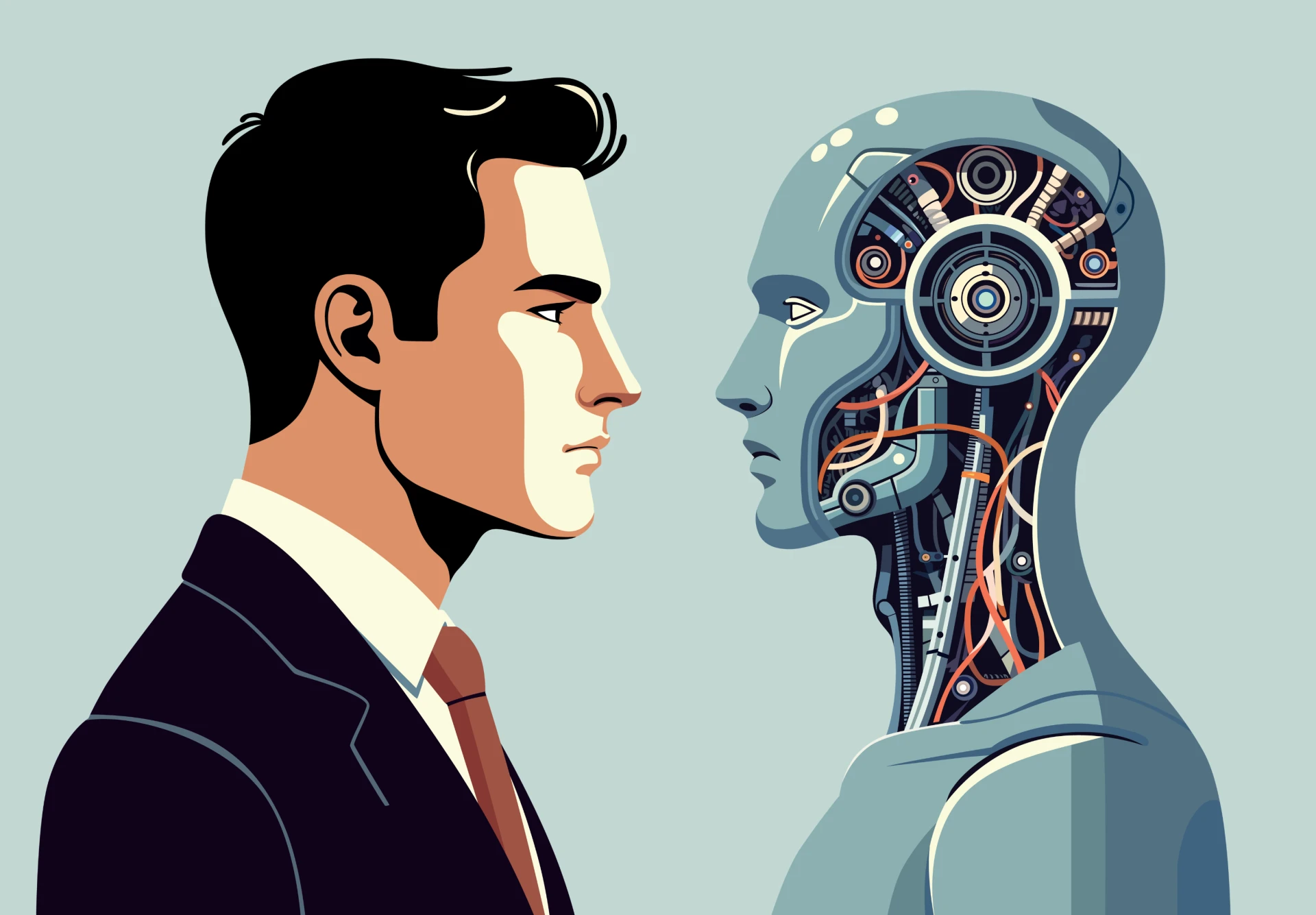
One of the most pressing reasons why ethical AI development is crucial in 2025 is the issue of algorithmic bias. AI systems learn from the data they're trained on, and if that data reflects existing human prejudices and historical inequalities, the AI will not only replicate them but often amplify them at an unprecedented scale.
- Real-world Consequences: The impact of this bias is not theoretical. We’ve already seen it in action. A classic example is the scandal involving an Amazon AI recruiting tool that was scrapped after it was found to be penalizing resumes that included the word "women's." Another notorious case is the Dutch childcare benefits scandal, where an algorithm used by tax authorities to flag potential fraud disproportionately targeted families with dual nationalities and low incomes, leading to devastating consequences for thousands. Such instances highlight how flawed data can lead to discriminatory outcomes in sensitive areas like hiring, loan applications, and criminal justice.
- The "Black Box" Problem: Many of the most powerful AI models, especially large language models, are often referred to as "black boxes" because their internal workings are so complex that it's difficult to understand how they arrive at a particular decision. This lack of transparency makes it incredibly challenging to identify and correct bias once it's embedded in the system. An ethical approach to AI seeks to develop more explainable AI (XAI), where the decision-making process is transparent and auditable, allowing developers and users to understand the "why" behind the "what."
The Urgency of Data Privacy and Security 🔒
As AI systems become more sophisticated, their appetite for data grows exponentially. They are capable of ingesting and analyzing vast amounts of personal information, from browsing habits and facial recognition data to health records and financial transactions. This presents a new frontier of privacy concerns. Without strong ethical guardrails, this data can be misused, leading to a surveillance-heavy society and significant breaches of individual rights.
- Beyond Consent: While data privacy regulations like GDPR and CCPA have set important precedents, ethical AI development goes a step further. It's not just about getting consent; it's about minimizing data collection to only what is absolutely necessary, anonymizing data where possible, and ensuring robust security measures are in place to prevent misuse. Companies need to prioritize privacy-preserving techniques like federated learning, which allows AI models to be trained on decentralized data without the data ever leaving the user’s device.
- Case in Point: Clearview AI: The facial recognition company Clearview AI serves as a stark warning. The company scraped billions of images from social media and other websites without user consent to build a massive database for law enforcement. The resulting legal challenges and public outcry underscore the high-risk nature of neglecting privacy in the pursuit of technological advancement. For a custom ai development company, building secure and private solutions isn't just a feature; it's a core deliverable.
Fostering Accountability and Human Oversight 👨⚖️
As AI agents become more autonomous and capable of making complex decisions, the question of accountability becomes paramount. If an AI system makes a critical error, who is responsible? Is it the developer, the company that deployed it, or the end user? Ethical AI frameworks are designed to create clear lines of responsibility.
- Human-in-the-Loop: A key principle of responsible AI is maintaining human oversight. This means designing systems with built-in “human-in-the-loop” mechanisms where a person can review, contest, and override an AI's decision, especially in high-stakes environments like medical diagnostics or loan approvals.
- The Uber Autonomous Vehicle Crash: The 2018 crash involving an Uber self-driving car that resulted in a pedestrian's death highlighted the critical need for clear accountability frameworks. While the AI system failed, the lack of a human safety driver actively monitoring the vehicle's behavior was a major contributing factor. As an artificial intelligence development company pushing the boundaries of autonomy, establishing a clear chain of command and responsibility is non-negotiable.
The Regulatory Landscape of 2025 ⚖️
Governments and regulatory bodies around the world are no longer taking a wait-and-see approach. In 2025, the landscape is defined by increasingly stringent regulations that mandate ethical practices. The European Union's AI Act, for example, classifies AI systems based on their potential risk, with "high-risk" applications subject to strict obligations.
- What this means for businesses: Companies that are proactive in adopting ethical AI principles are not just doing the right thing; they are future-proofing their business. Non-compliance can lead to massive fines, legal battles, and significant reputational damage. An ai development company that embeds ethics into its core business model and ai development services gains a competitive advantage. It demonstrates a commitment to building trustworthy solutions, which is a major differentiator in the market.
- The Shifting Focus: Regulations in 2025 are shifting from a technology-centric to a use-case-centric approach. This means the focus is on the potential harm an AI system can cause, regardless of the technology behind it. This approach pushes organizations to think critically about the societal impact of their products from the very beginning of the development lifecycle.
Building a Foundation of Trust 🤝
Ultimately, the success and widespread adoption of AI depend on one thing: trust. If the public, businesses, and governments don't trust AI systems to be fair, secure, and accountable, their true potential will never be realized. Ethical development is the foundation of this trust.
- For the Consumer: When an individual interacts with a digital service, whether it's an ai chatbot development company's creation, they need to feel confident that their data is safe, and the system is not unfairly biased against them. For example, a customer using an AI-powered financial advisor needs to trust that it will provide advice that is in their best interest, not just a recommendation biased by marketing data.
- For the Industry: The ethical considerations for AI are particularly important for specialized fields. In healthcare, an AI used to assist in diagnostics must be rigorously tested for bias against different demographics, as a misdiagnosis could have life-or-death consequences. Similarly, in finance, an AI used for credit scoring must be fair and transparent to avoid perpetuating historical discriminatory lending practices.
The Business Case for Ethical AI 📈
Beyond the moral and regulatory arguments, there is a strong business case for ethical AI. By prioritizing fairness, transparency, and accountability, companies can unlock new opportunities and build long-term value.
- Enhanced Reputation and Brand Loyalty: A commitment to ethical AI builds a positive brand image and fosters customer loyalty. Customers are increasingly conscious of how their data is being used and will favor companies that demonstrate a strong ethical stance.
- Mitigated Risk: Proactive ethical development helps an ai development company mitigate legal, financial, and reputational risks. Avoiding costly lawsuits, fines, and public backlash is a significant return on investment.
- Improved Performance: Counterintuitively, addressing bias can actually lead to better AI performance. By using more diverse and representative datasets, models become more robust and accurate across a wider range of scenarios and populations. For a custom ai development company, this means delivering a superior product that works for everyone, not just a select group.
Conclusion: A Call to Action for 2025 and Beyond 🚀
The year 2025 marks a critical turning point for the AI industry. We are at a crossroads where the choices we make today will determine the future of a technology that is shaping the world at an unprecedented pace. The shift toward ethical development is no longer a niche concern; it is a global imperative. Companies must move beyond simply building powerful algorithms and embrace a holistic approach that integrates ethical considerations at every stage of the lifecycle. This includes everything from the initial data sourcing to post-deployment monitoring.
By focusing on fairness, transparency, accountability, and privacy, we can ensure that AI serves as a force for good, creating a future that is more equitable, secure, and prosperous for all. The ethical development of AI isn't an obstacle to innovation; it's the very foundation upon which truly groundbreaking and trustworthy innovations will be built.





























Sign in to leave a comment.