The web as we know it is undergoing a dramatic transformation. For decades, websites have largely been static entities, providing a one-size-fits-all experience to every visitor. While modern design and responsive layouts improved the user interface, the core functionality remained the same. However, the advent of artificial intelligence (AI) has ushered in a new era, one where websites are no longer just passive repositories of information but dynamic, intelligent platforms that learn, adapt, and personalize the user journey in real-time. This is the rise of AI-powered websites, a paradigm shift that is redefining how businesses interact with their audience and how users consume digital content.
What is an AI-Powered Website?
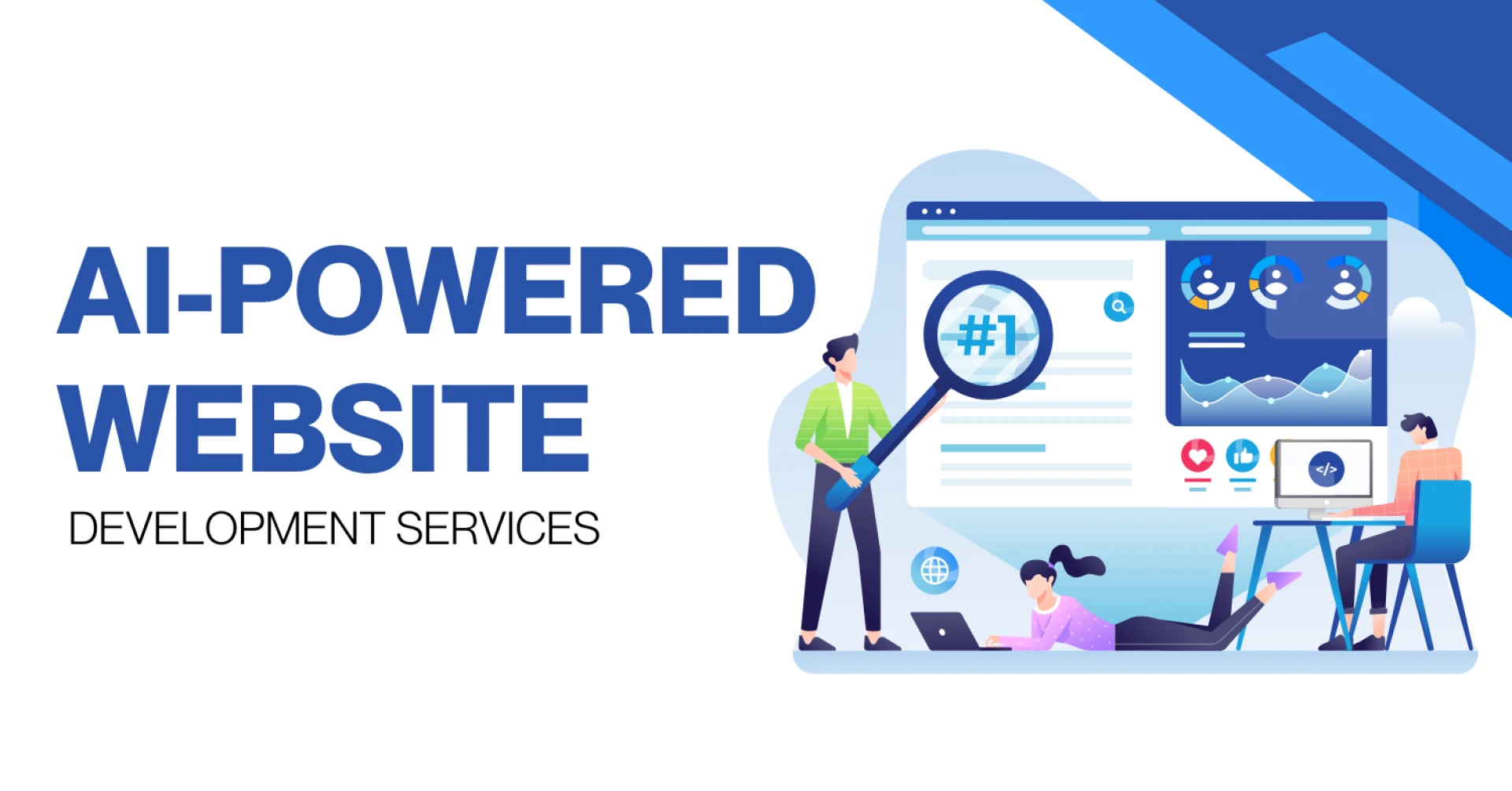
An AI-powered website is a site that uses artificial intelligence and machine learning algorithms to enhance its functionality, design, and user experience. Unlike a traditional website that operates on a pre-defined set of rules, an AI-powered website is capable of processing data, identifying patterns, and making intelligent decisions to improve its performance and relevance. This can manifest in a variety of ways, from generating content and designing layouts to providing personalized recommendations and automating customer support. The core principle is a shift from a static, rule-based system to a dynamic, data-driven one.
The Key Pillars of AI-Powered Websites
The integration of AI into web development can be broken down into several key areas, each contributing to a more intelligent and engaging online experience.
1. Hyper-Personalization
One of the most significant advantages of AI is its ability to deliver personalized experiences on a massive scale. By analyzing user data such as Browse history, search queries, demographics, and past interactions, AI algorithms can tailor a website's content, layout, and product recommendations to each individual visitor. For example, an e-commerce site can use AI to suggest products a user is likely to buy, while a media website can recommend articles and videos based on a user's viewing habits. This level of customization makes the user feel understood and valued, significantly boosting engagement and conversion rates.
2. AI-Driven Content Generation and Optimization
Creating fresh, relevant content is a constant challenge for businesses. AI tools are now capable of generating blog posts, product descriptions, and social media updates with minimal human input. Furthermore, AI can optimize this content for search engine optimization (SEO) by analyzing keywords and popular topics. This not only saves time and resources for content creators but also ensures that the website's content is more likely to rank well in search results.
3. Intelligent User Interfaces (UI) and User Experience (UX)
AI is transforming the visual and interactive aspects of websites. AI-powered design tools can analyze design trends, user behavior, and brand guidelines to create a website's layout, color scheme, and typography automatically. Beyond the initial design, AI can also dynamically adjust the user interface based on a user's preferences, making the website more intuitive and easier to navigate. This is particularly useful in optimizing a website for different devices and screen sizes.
4. Automated Customer Support with Chatbots and Virtual Assistants
Gone are the days of static FAQ pages. AI-powered chatbots and virtual assistants are now capable of providing instant, 24/7 customer support. These intelligent agents can answer a wide range of questions, guide users through complex processes, and even handle simple transactions. Using natural language processing (NLP), they can understand and respond to user queries in a human-like manner, freeing up human support staff to handle more complex issues.
5. Predictive Analytics and Behavioral Analysis
AI can analyze vast amounts of data to predict user behavior. By identifying patterns, AI algorithms can forecast what a user might do next, allowing the website to proactively offer relevant content or services. For instance, if a user is repeatedly Browse a specific category of products, the website can display a targeted ad or a special offer for that category. This predictive capability is a powerful tool for improving sales and customer retention.
The Benefits of Adopting AI for Your Website
The integration of AI into websites offers a multitude of benefits for both businesses and users.
- Increased Efficiency and Speed: AI automates repetitive and time-consuming tasks, such as code generation, content creation, and quality assurance. This significantly reduces the time and resources required for web development and maintenance.
- Enhanced User Engagement: Personalization and dynamic content keep users on the site for longer, increasing engagement and lowering bounce rates. The tailored experience makes the website more relevant and compelling to each visitor.
- Improved Conversion Rates: By offering personalized recommendations and proactive assistance, AI guides users toward a desired action, whether it's making a purchase, signing up for a newsletter, or filling out a form. This direct impact on the user journey leads to higher conversion rates.
- Cost Reduction: Automating tasks like customer support and content creation reduces the need for large teams, leading to significant cost savings. Furthermore, AI can optimize advertising campaigns and other marketing efforts to maximize return on investment.
- Scalability and Adaptability: AI-powered websites are designed to scale and adapt to a growing user base and changing trends. They can process and learn from new data, ensuring the website remains effective and relevant as the business evolves.
The Role of a Web Development Company in the AI Revolution
While AI-powered website builders and tools are becoming increasingly accessible, the development of a truly intelligent and effective website often requires the expertise of a professional. This is where a specialized web development company comes in. A company with deep knowledge of AI and machine learning can go beyond basic AI features to create a custom solution that aligns with a business's specific goals. They can handle the complex tasks of integrating AI models, ensuring data security and privacy, and building a scalable infrastructure.
Choosing a partner for ai powered website development is a crucial decision. Businesses need to look for a web app development company that not only understands the latest AI technologies but also has a proven track record of delivering successful projects. A skilled partner can provide comprehensive web development services, from initial consultation and strategy to design, implementation, and ongoing maintenance. They can help businesses navigate the challenges of AI integration, such as data quality, ethical considerations, and algorithmic bias, ensuring the final product is not only technologically advanced but also responsible and fair.
Challenges and Future Outlook
Despite the immense potential, the rise of AI-powered websites is not without its challenges. Data privacy and security are major concerns, as AI systems often rely on large amounts of user data. Algorithmic bias, where AI systems perpetuate existing societal biases, is another ethical issue that must be addressed. Furthermore, the high computational power and technical expertise required for advanced AI models can be a barrier for smaller businesses.
However, the future of AI in web development is bright. We can expect to see more sophisticated AI models that are more transparent and explainable. The line between AI-powered tools and human developers will blur, with AI becoming a co-pilot that assists in the creative process rather than replacing it entirely. As AI technology becomes more accessible and affordable, even small businesses will be able to leverage its power to create smarter, more engaging websites. The evolution from static web pages to dynamic, intelligent platforms is not just a trend—it's the future of the internet.























Sign in to leave a comment.