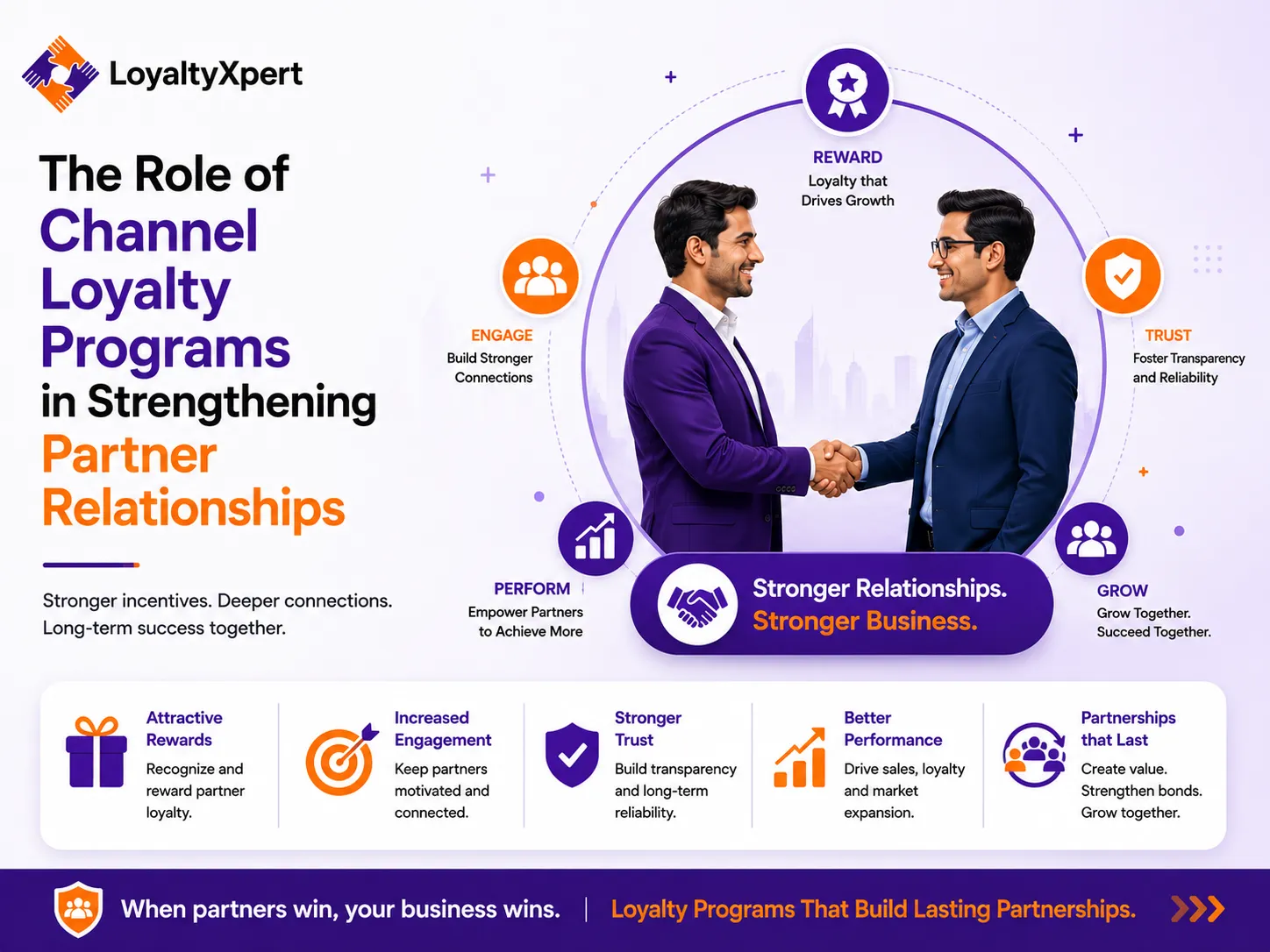

Channel partnerships are an essential part of business growth in industries that depend on distributors, dealers, retailers, or resellers to reach the market effectively. As competition increases, businesses are looking for more structured ways to maintain engagement and encourage long-term collaboration across their channel networks. A channel loyalty program is often used as a strategic approach to improve partner participation, strengthen relationships, and create a more consistent engagement framework.
Rather than relying only on pricing advantages or occasional schemes, many organizations are moving toward ongoing reward systems that recognize partner contribution over time.
Why Businesses Focus on Channel Engagement
Channel partners often represent multiple brands simultaneously, which makes sustained engagement increasingly important. Businesses that maintain stronger relationships with their channel network are generally better positioned to improve product visibility, market reach, and operational coordination.
Structured engagement programs help businesses:
- Encourage consistent participation from partners
- Improve communication across the distribution network
- Build stronger long-term relationships
- Support collaboration beyond transactional interactions
These programs create an environment where engagement becomes continuous instead of limited to periodic campaigns.
How Channel Loyalty Programs Work
A channel loyalty program is typically designed to reward partners for activities that contribute to business objectives. Rewards may be linked to sales performance, participation in campaigns, product promotion, or other predefined activities.
Modern loyalty systems help organize these programs through digital platforms that simplify:
- Activity tracking
- Reward allocation
- Participation management
- Reporting and analytics
This structured approach helps businesses manage larger partner ecosystems more efficiently.
Encouraging Long-Term Participation
One of the key advantages of loyalty-based engagement is the ability to encourage long-term participation rather than short-term response. When partners are consistently recognized for their involvement, they are more likely to remain engaged with the brand.
Programs often include:
- Points-based engagement models
- Tiered participation structures
- Performance-linked incentives
- Milestone recognition systems
These formats create clear participation pathways and motivate partners to stay active within the program.
Importance of Transparency in Reward Systems
Transparency is an important factor in maintaining trust between businesses and channel partners. Confusion around reward calculations or delayed communication can reduce engagement and participation levels.
Digital loyalty platforms often address this challenge by providing participants with visibility into:
- Earned rewards and points
- Activity status and progress
- Program eligibility criteria
- Redemption options and timelines
Clear communication and accessible tracking systems contribute to a more reliable engagement experience.
Data and Insights for Better Program Management
Modern channel loyalty systems generate valuable participation data that businesses can use to improve engagement strategies. By analyzing activity trends and performance patterns, organizations can better understand what drives participation within their partner network.
These insights can support:
- More targeted campaign planning
- Optimization of incentive structures
- Identification of highly engaged partners
- Better operational decision-making
A data-driven approach allows loyalty initiatives to evolve based on actual engagement behavior.
Supporting Scalable Distribution Networks
As organizations expand into new markets, managing larger channel ecosystems becomes increasingly complex. Structured loyalty systems help businesses maintain consistency across regions while reducing operational inefficiencies.
Centralized program management makes it easier to coordinate engagement activities, monitor participation, and ensure a uniform experience for partners operating in different territories.
Long-Term Impact on Business Relationships
Channel loyalty programs are increasingly being used as long-term relationship management tools rather than temporary promotional initiatives. By creating transparent and structured engagement environments, businesses can strengthen trust, improve collaboration, and encourage ongoing participation across their distribution networks.
In highly competitive markets, organizations that invest in sustained partner engagement are often better equipped to maintain stronger market presence and long-term operational stability.
Originally published on LoyaltyXpert
To explore detailed features, engagement strategies, and implementation insights,
Read the full guide on channel loyalty programs on LoyaltyXpert.






















Sign in to leave a comment.