
In the digital age, user experience (UX) has become a critical aspect of product design. UX encompasses every interaction a user has with a product or service, including its design, usability, and functionality. At the heart of UX design lies the concept of creating seamless experiences for users, and one of the key components of achieving this is through effective design. This article explores the role of design in UX and how it contributes to creating seamless user experiences.
1. Introduction
The digital landscape is constantly evolving, and with it, the way users interact with technology. As such, businesses are increasingly focusing on creating exceptional user experiences to stay competitive. Design plays a crucial role in shaping these experiences, as it encompasses everything from the layout and visual elements to the overall usability of a product or service.
2. Understanding UX Design
UX design is a multidisciplinary field that involves understanding the needs and behaviors of users to create intuitive and engaging experiences. It draws on principles from psychology, design, and technology to ensure that products are both functional and enjoyable to use.
3. Importance of Design in UX
Design is integral to UX because it directly impacts how users perceive and interact with a product. A well-designed interface can make complex tasks feel simple and intuitive, leading to higher user satisfaction and retention rates.
4. Elements of Good UX Design
Good UX design is characterized by several key elements, including simplicity, consistency, and accessibility. Designers strive to create interfaces that are easy to navigate, visually appealing, and accessible to users of all abilities.
5. How Design Influences UX
Design influences UX in several ways, such as guiding users through a product, establishing brand identity, and creating emotional connections. By designing with the user in mind, designers can create experiences that resonate with their audience and drive engagement.
6. Design Thinking in UX
Design thinking is a problem-solving approach that emphasizes empathy, ideation, and iteration. By applying design thinking principles to UX design, designers can gain a deeper understanding of user needs and create more meaningful experiences.
7. User-Centered Design
User-centered design is a design philosophy that prioritizes the needs and preferences of users. By involving users in the design process, designers can create products that are more intuitive and user-friendly.
8. Design and Emotional Response
Design has a profound impact on the emotional response of users. A well-designed product can evoke positive emotions, such as joy and excitement, leading to a more enjoyable user experience.
9. The Role of Consistency
Consistency is key to good UX design. By maintaining consistent design elements throughout a product, designers can create a sense of familiarity and make it easier for users to navigate and understand.
10. Accessibility in Design
Accessibility is an essential aspect of UX design, as it ensures that products are usable by people of all abilities. Designers must consider factors such as color contrast, font size, and navigation when designing for accessibility.
11. Mobile Design Considerations
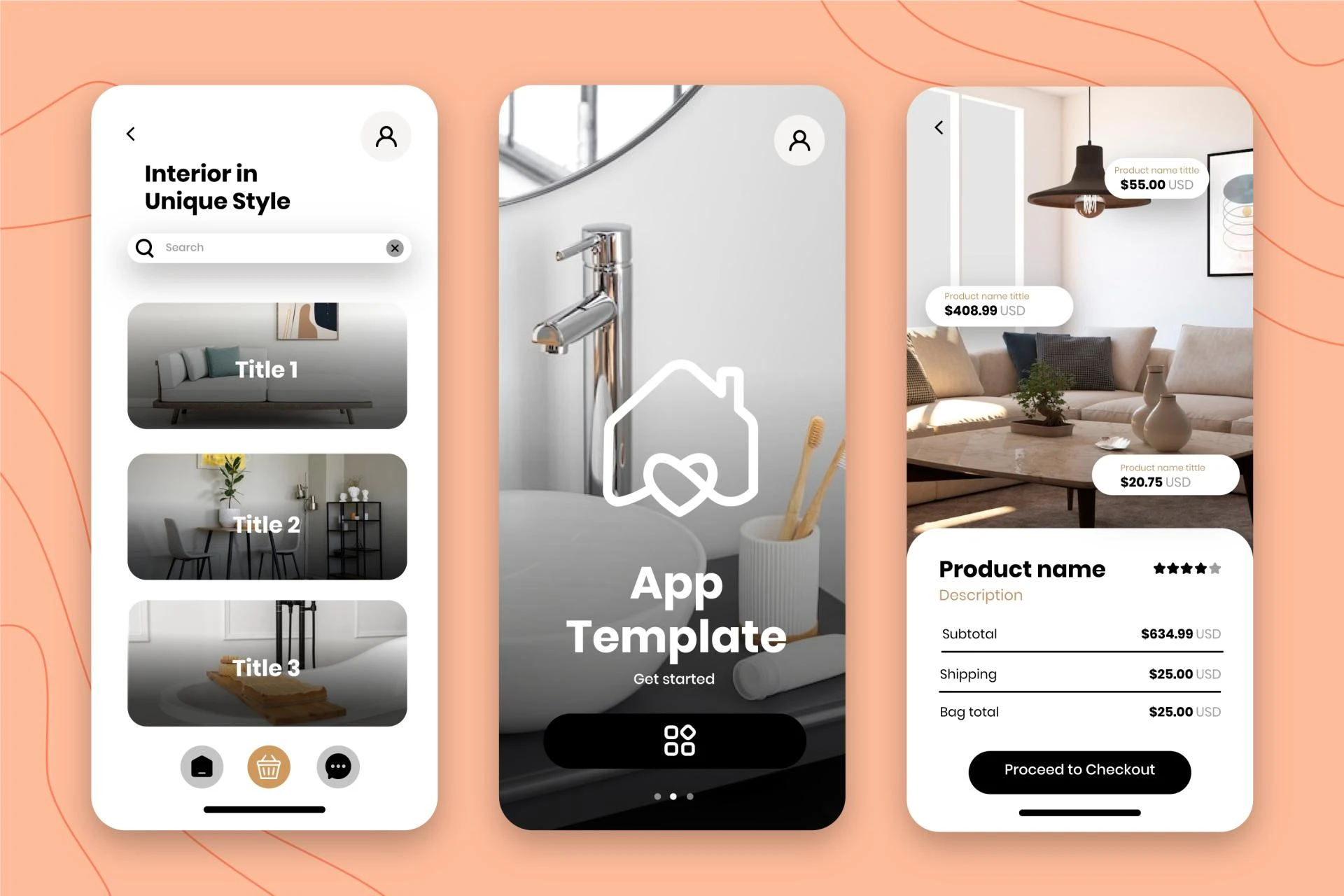
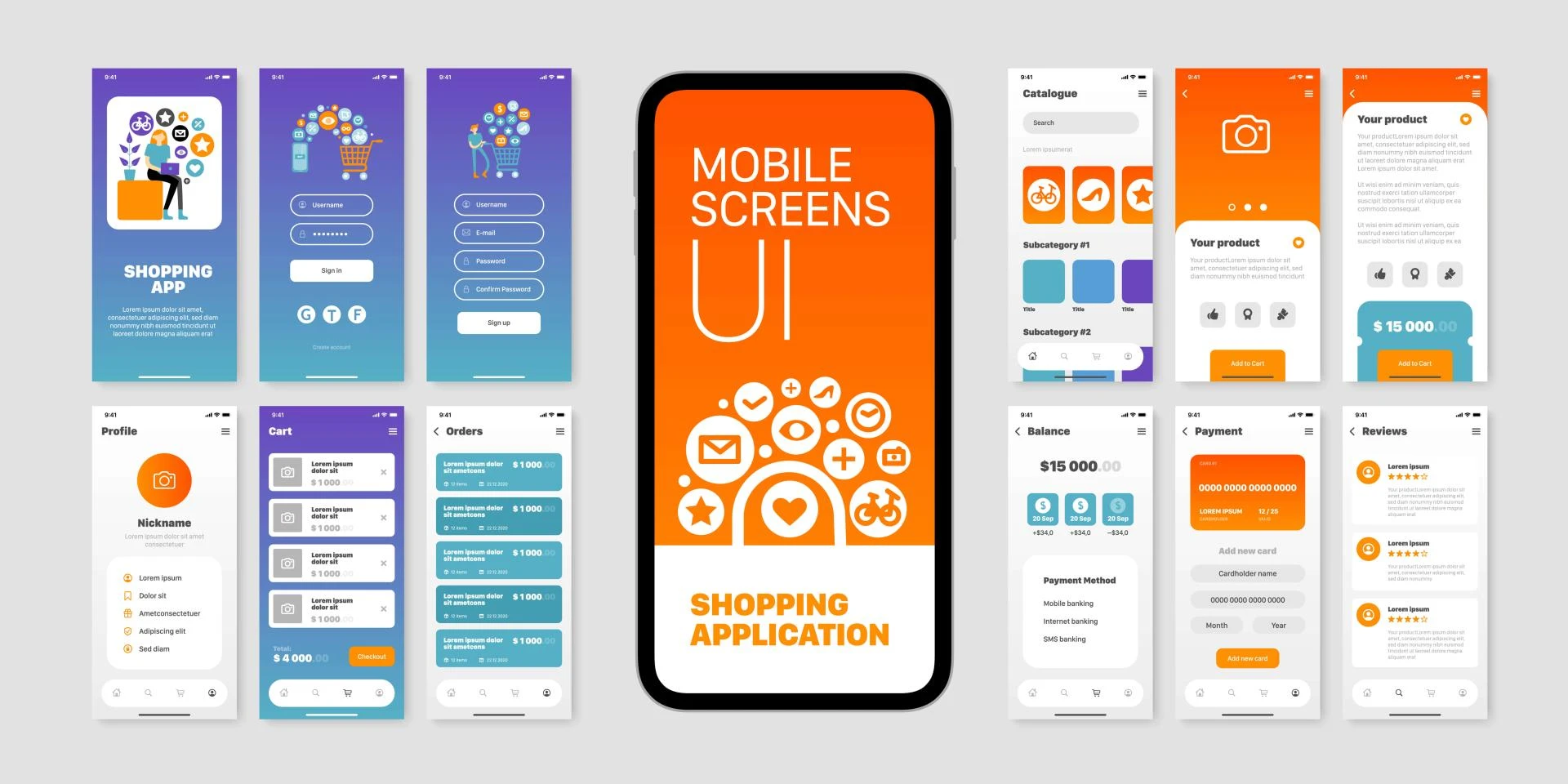
With the rise of mobile devices, mobile design has become increasingly important in UX design. Designers must consider the unique constraints and capabilities of mobile devices when creating mobile experiences.
12. Design's Impact on Engagement
Engagement is a key metric in UX design, as it measures how effectively a product captures and retains users' attention. Design plays a crucial role in driving engagement by creating visually appealing and interactive experiences.
13. Conclusion
In conclusion, design plays a crucial role in shaping the user experience. By creating intuitive, visually appealing, and accessible designs, designers can create seamless user experiences that drive engagement and satisfaction.
Visit my Upwork profile for - UI/UX design, Web design & Mobile design

























Sign in to leave a comment.