
Every sturdy road we drive on, whether it winds through cityscapes or cuts across rural farmlands, owes its foundation to precise excavation work. Beneath the smooth asphalt and orderly markings lies a hidden world of planning, digging, grading, and soil science. Without excavation, road construction would be a shaky proposition, quite literally.
Excavation is more than just digging a hole. In the world of road construction service, it plays a critical role in ensuring long-term performance, structural stability, and environmental harmony. Let’s explore how excavation becomes the backbone of modern roadway development.
Laying the Groundwork—Literally
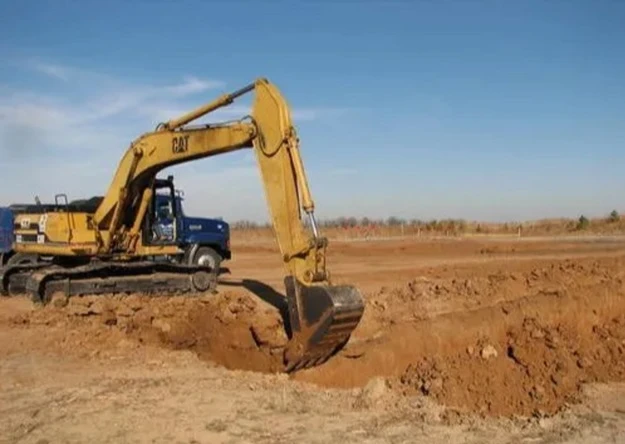
Before a single layer of gravel or asphalt can be poured, excavation prepares the land by removing vegetation, topsoil, and debris. This phase ensures a clean, level surface to work on and makes way for proper drainage systems, roadbeds, and utilities.
It’s also where land clearing services come into play, often as a precursor to excavation. Clearing trees, rocks, and brush allows excavators to access the site safely and efficiently. The success of everything that follows; grading, sub-base placement, and surfacing, depends on this first step being executed with precision.
Soil Testing and Stabilization
One of the most crucial aspects of excavation in road construction is soil analysis. Different soil types behave differently under pressure and moisture. Sandy soils may shift, clay-heavy soils may expand, and loamy soils may settle unevenly.
Excavation teams must identify these traits and adapt accordingly. If the existing soil isn’t stable enough to support a road, it may be removed, replaced, or treated with stabilizing agents like lime or cement. Failing to do this step correctly can lead to future road cracks, potholes, and even collapse.
Achieving Proper Grading and Elevation
Roads aren’t flat by accident; they’re carefully graded for slope, drainage, and alignment. Excavation crews sculpt the terrain according to the road's design, ensuring it meets specifications for slope (called the "grade") and elevation.
Proper grading prevents water accumulation, which is a major cause of roadway deterioration. Whether it's creating crown-shaped surfaces for runoff or ensuring side ditches are properly sloped, the excavator’s work here directly influences how long the road lasts and how safe it is for drivers.
Installing Subsurface Infrastructure
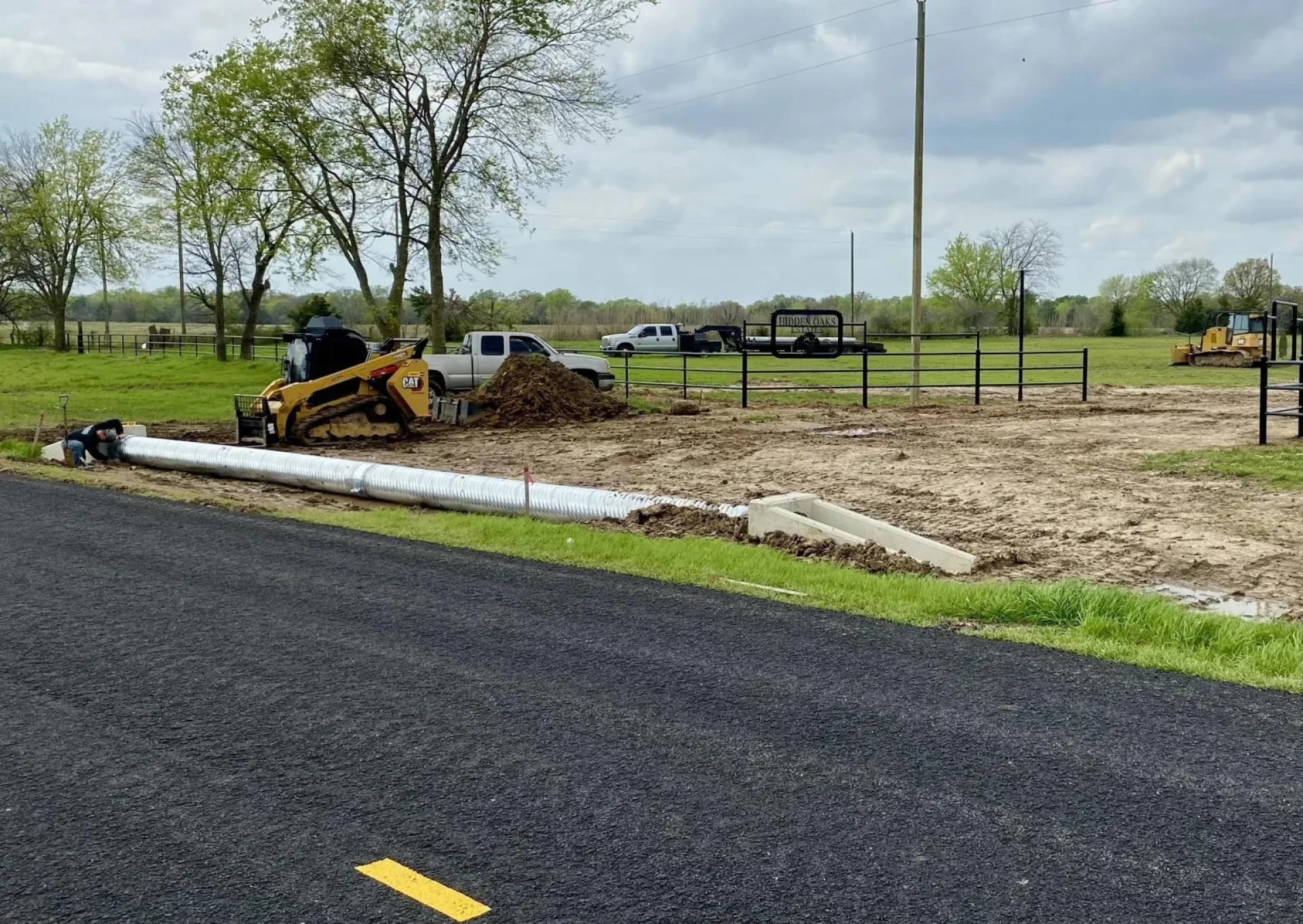
Before the roadbed is laid, excavation clears space for vital underground infrastructure. This includes stormwater pipes, culverts, utility conduits, and, in some cases, electrical or communication lines.
Precise trenching is essential here. Excavators must dig to exact depths and alignments, ensuring that the infrastructure is secure, accessible, and won’t interfere with future roadway maintenance. It’s a job that demands both technical expertise and an intimate understanding of the terrain.
Preparing the Subgrade and Base Layers
Once the soil is stable and utilities are in place, excavation shifts its focus to shaping the subgrade, the compacted layer of soil directly beneath the road. From there, crews build up the base and sub-base layers with gravel or crushed stone.
These layers are critical to the structural integrity of the road. They distribute the weight of vehicles, resist moisture, and provide a smooth, stable surface for the final asphalt or concrete layer. Any missteps here, such as improper compaction or uneven layering, can lead to long-term issues and costly repairs.
Adapting to the Environment
Excavation isn't one-size-fits-all. A project in a mountainous region may involve blasting rock and reinforcing slopes. A project near wetlands may require geotextiles to separate soil layers and prevent erosion. Excavation professionals must understand and adapt to local geography, climate, and environmental regulations.
Modern road construction service providers increasingly rely on GPS-guided excavation equipment, drones for topographic mapping, and environmentally friendly techniques to minimize impact and maximize accuracy.
Building Roads That Last
Behind every smooth and reliable roadway lies the careful choreography of excavation. It’s a discipline that blends engineering, geology, and heavy equipment into one crucial act of preparation. Whether it’s a short suburban street or a massive interstate project, quality excavation ensures that the road doesn’t just look good; it stands the test of time.



























Sign in to leave a comment.