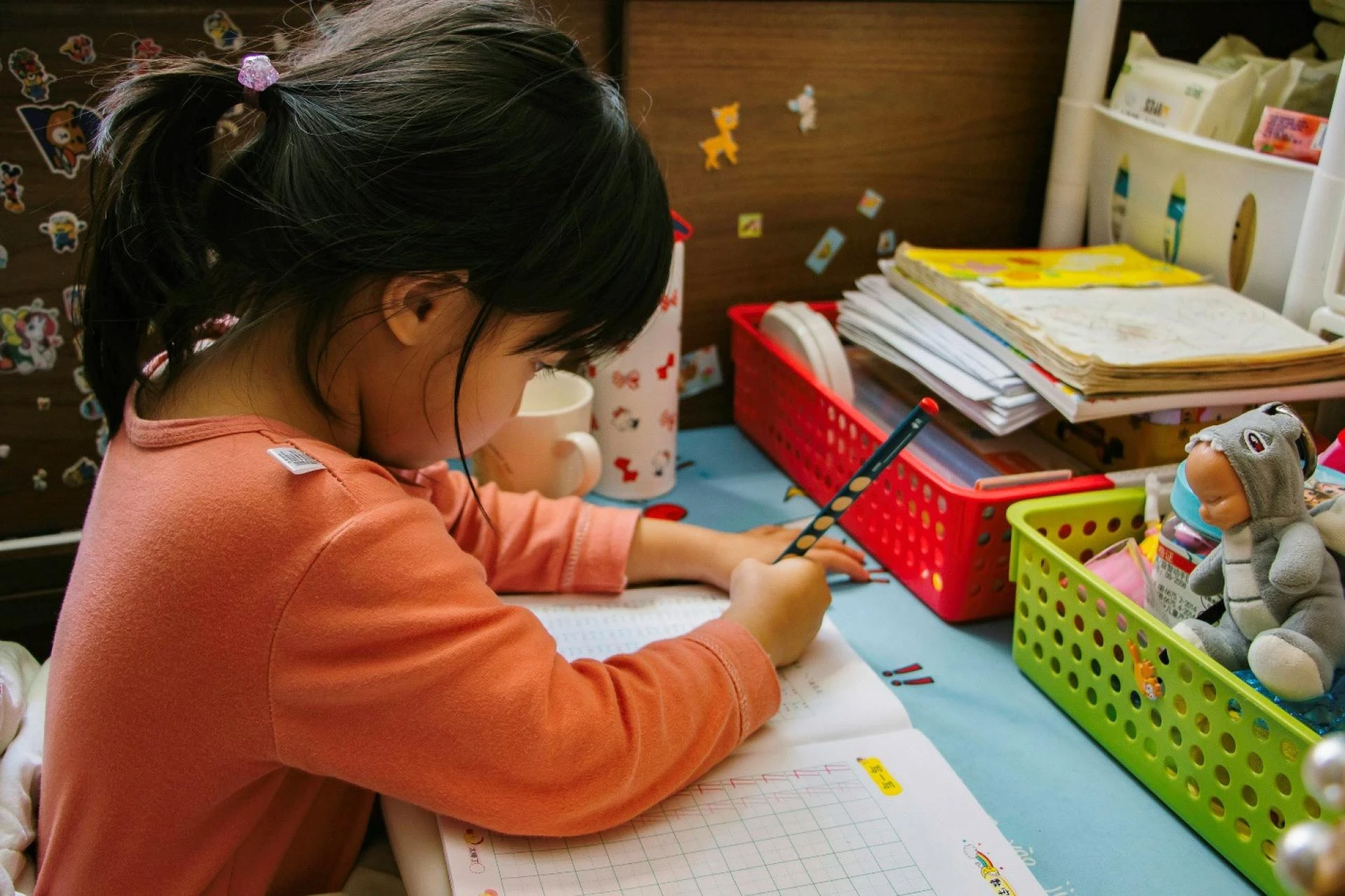

Early childhood is a critical period in human development, characterized by rapid cognitive, social, and emotional growth. During this time, children are naturally curious and eager to explore their environment, making play an essential component of their learning process. Play-based education leverages this natural inclination to play, providing a structured yet flexible framework that fosters holistic development.
This approach is beneficial in special needs schools in Hyderabad, where tailored play-based learning can significantly enhance the educational experiences of children with diverse needs, including those attending schools for autism in Kondapur.
The Importance of Play in Early Childhood Development
Cognitive Development
Play is a fundamental aspect of cognitive development in early childhood. It stimulates brain development and enhances cognitive skills such as memory, problem-solving, and decision-making. Through play, children learn to understand concepts, develop language skills, and build knowledge about the world around them.
Language Development: Engaging in pretend play and storytelling helps children develop language skills. They learn new words, practice sentence construction, and improve their ability to communicate thoughts and ideas.Creativity and Imagination: Play allows children to use their imagination and creativity. Whether they are role-playing as doctors or building imaginary worlds with blocks, these activities stimulate creative thinking and innovation.Social Development
Play is a vital tool for social development. Through play, children learn to interact with others, understand social norms, and develop empathy.
Social Skills: Group play activitiesteach children how to share, take turns, and collaborate with others. These experiences are essential for developing strong social skills that will benefit them throughout their lives.Empathy and Understanding: Role-playing and cooperative games help children understand different perspectives and develop empathy. By playing different roles, children learn to appreciate the feelings and viewpoints of others.Conflict Resolution: Play provides a safe environment for children to experience and resolve conflicts. They learn negotiation, compromise, and conflict resolution skills that are essential for healthy social interactions.
Emotional Development
Play is also crucial for emotional development. It helps children understand and express their emotions, develop self-regulation, and build resilience.
Emotional Expression: Through play, children learn to express their emotions. They can act out different scenarios and explore various emotions, which helps them understand and manage their feelings.Self-Regulation: Play activities that require patience, turn-taking, and rule-following help children develop self-regulation skills. These skills are important for managing impulses and behaving appropriately in different situations.The Benefits of Play-Based Education
Play-based education integrates play into the learning process, creating an engaging and effective educational environment. This approach has numerous benefits for early childhood development, particularly in special education programs in Hyderabad.
Enhancing Learning Outcomes
Play-based education enhances learning outcomes by making learning enjoyable and meaningful for children. When children are engaged in play, they are more motivated and focused, which leads to better learning outcomes.
Active Engagement: Play-based activities capture children's attention and keep them actively engaged. This active engagement enhances their ability to retain information and apply what they have learned.Personalized Learning: Play-based education allows for personalized learning experiences. Teachers can tailor activities to meet the individual needs and interests of each child, ensuring that all children, including those with special needs, can benefit.Supporting Diverse Learning Needs
Play-based education is particularly effective in supporting diverse learning needs. It provides a flexible and adaptable framework that can be customized to meet the unique needs of each child, making it ideal for special needs education centers.
Inclusive Environment: Play-based education creates an inclusive environment where all children can participate and learn. Activities can be adapted to accommodate different abilities, ensuring that every child can engage in meaningful play.Specialized Interventions: For children with special needs, play-based education can include specialized interventions that target specific developmental goals. For example, social stories and role-playing activities can be used to help children with autism develop social skills.
Holistic Development
Play-based education promotes holistic development by addressing all aspects of a child's growth and well-being.
Physical Development: Play activities that involve physical movement, such as outdoor play and sports, support physical development. Children develop motor skills, coordination, and overall fitness.
Creative Expression: Play fosters creativity and imagination. Children have the freedom to explore and express themselves, which enhances their creative thinking and artistic abilities.
Overall Well-Being: Play contributes to overall well-being by providing a balanced and enjoyable learning experience. Children develop a positive attitude towards learning and feel supported in their growth and development.
KARUNA is a leading institution in Hyderabad dedicated to providing specialized education and support for children with diverse needs. Call them now.
Author’s Bio
This post’s author is an esteemed child psychologist and early childhood education specialist with over 15 years of experience in the field. She is passionate about creating inclusive learning environments and has collaborated with several special needs schools in Hyderabad to develop customized educational programs for children with diverse learning needs.

























Sign in to leave a comment.