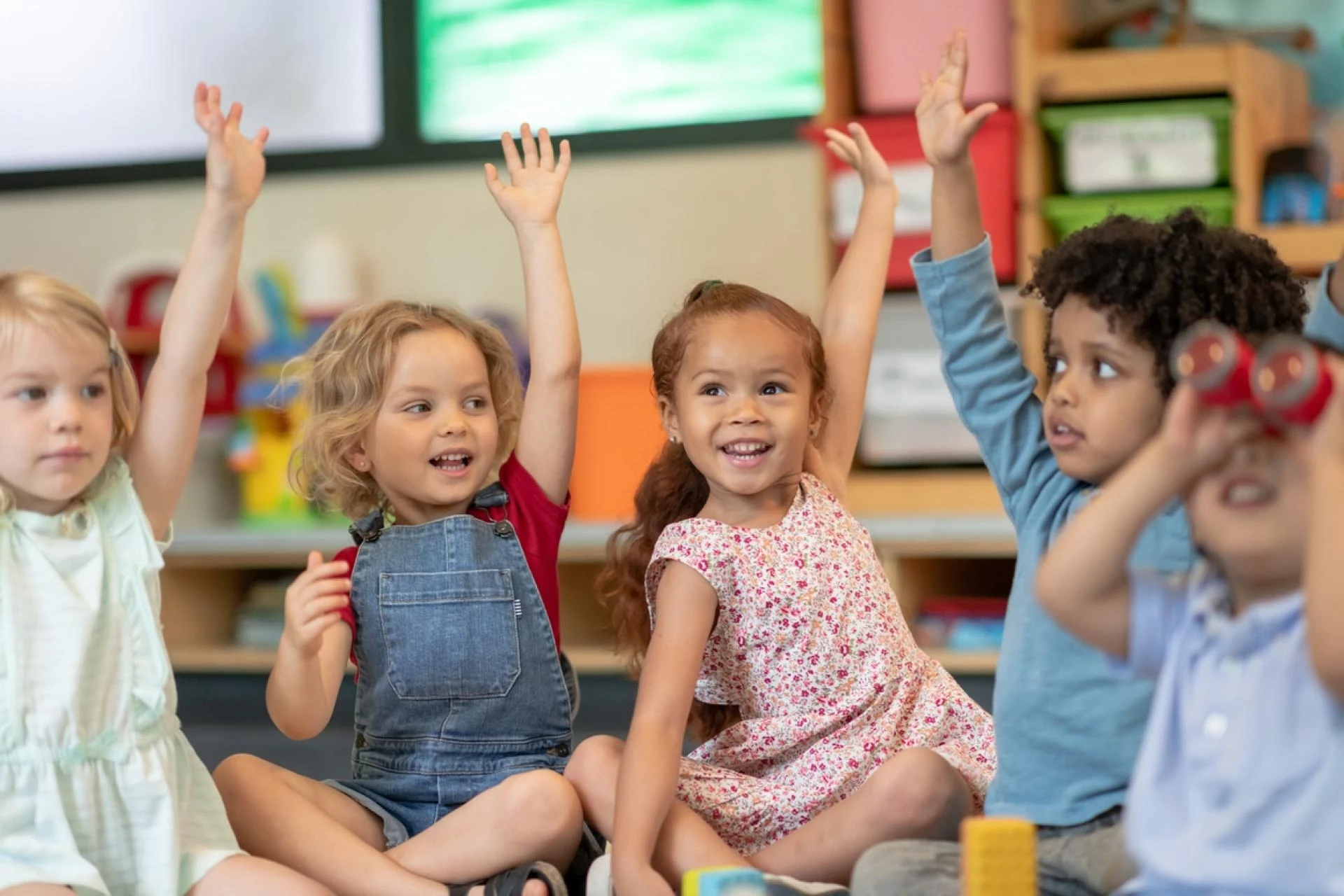

Play is often described as the work of childhood, and for a good reason. It's through play that young children explore their world, develop essential skills, and lay the foundation for future learning. In Pune, a vibrant city in India, play schools play a pivotal role in nurturing young learners through the power of play. In this article, we'll explore the critical role of play in early childhood education and how play schools in Pune are creating dynamic environments for children to thrive.
Understanding the Importance of Play
Play is the natural mode of learning for young children. It is their way of making sense of the world around them, experimenting with ideas, and building essential skills. Here are some key reasons why play is so vital in early childhood education:
Cognitive Development: Play allows children to develop cognitive skills such as problem-solving, critical thinking, and creativity. Whether they're building with blocks, solving puzzles, or engaging in imaginative play, they are constantly exercising their minds.
Social Skills: Play provides opportunities for children to interact with peers, practice communication, negotiate, and cooperate. It teaches them important social skills like sharing, taking turns, and resolving conflicts.
Emotional Regulation: Play helps children express their emotions in a safe and constructive manner. It allows them to role-play various scenarios, helping them understand and manage their feelings.
Physical Development: Physical play, such as running, jumping, and climbing, helps children develop gross motor skills and coordination. Fine motor skills are honed through activities like drawing, cutting, and building.
Language Development: Play provides a rich context for language development. Children engage in conversations, storytelling, and role-playing, expanding their vocabulary and communication skills.
Creativity and Imagination: Play sparks creativity and allows children to explore their imagination. It encourages them to think outside the box and invent their stories, scenarios, and solutions.
Problem-Solving: Through play, children encounter challenges and solve problems, whether it's figuring out how to complete a puzzle, build a tower, or create a storyline for their pretend play.
The Role of Play Schools in Pune
Play schools in Pune are designed to harness the power of play in early childhood education. They create dynamic and engaging environments where children can explore, experiment, and learn through play. Here's how play schools in Pune achieve this:
1. Structured Play Activities
Play schools in Pune offer a balance between free play and structured play activities. While free play allows children to choose their activities and explore their interests, structured activities provide a more guided learning experience.
Structured play activities may include art and craft projects, group games, storytelling sessions, and music and movement activities. These activities are designed to enhance specific skills while maintaining an element of fun and engagement.
2. Imaginative Play Areas
Play schools often have imaginative play areas where children can engage in role-playing and creative play. These areas may include play kitchens, dress-up corners, puppet theaters, and mini-gardens. Imaginative play encourages storytelling, problem-solving, and social interaction as children take on different roles and scenarios.
3. Outdoor Play
Pune's play schools recognize the importance of outdoor play in a child's development. Outdoor play areas are equipped with swings, slides, sandpits, and other age-appropriate equipment. These spaces allow children to engage in physical activity, build gross motor skills, and connect with nature.
4. Learning through Games
Games are an integral part of play schools in Pune. Educational games and puzzles are used to teach various concepts, from math and science to language and problem-solving. These games make learning enjoyable and foster a sense of accomplishment when children solve challenges and achieve goals.
5. Art and Creativity
Art is an essential component of play schools' curriculum. Children are encouraged to explore their creativity through painting, drawing, sculpting, and crafting. Art activities enhance fine motor skills, self-expression, and visual-spatial awareness.
6. Music and Movement
Music and movement activities are another key feature of Pune's play schools. Children engage in singing, dancing, and playing musical instruments, fostering a love for music and rhythm. These activities also improve coordination and enhance language development.
7. Social Interaction
Play schools in Pune emphasize social interaction and cooperation. Children have opportunities to play with their peers, learn to share and take turns, and build positive relationships. These early social experiences are crucial for their emotional and social development.
8. Encouraging Curiosity
Curiosity is the foundation of learning, and play schools in Pune actively encourage children's natural curiosity. They provide materials and experiences that promote exploration and discovery. Whether it's a science experiment or a nature walk, children are encouraged to ask questions and seek answers.
9. Individualized Learning
Play schools understand that each child is unique and develops at their own pace. They offer individualized learning experiences that cater to children's interests, strengths, and areas of growth. This personalized approach ensures that each child gets the support they need to thrive.
























Sign in to leave a comment.