
Have you ever wondered how your car engine runs smoothly and efficiently? The answer lies in automotive lubricants and specifically, the role of viscosity modifiers. Viscosity modifiers are essential components in automotive lubricants that help regulate the flow and thickness of the oil under different temperature conditions. In this blog post, we will explore the significance of viscosity modifiers in automotive lubricants and how they contribute to the performance and longevity of your vehicle's engine.
1. What are Viscosity Modifiers?
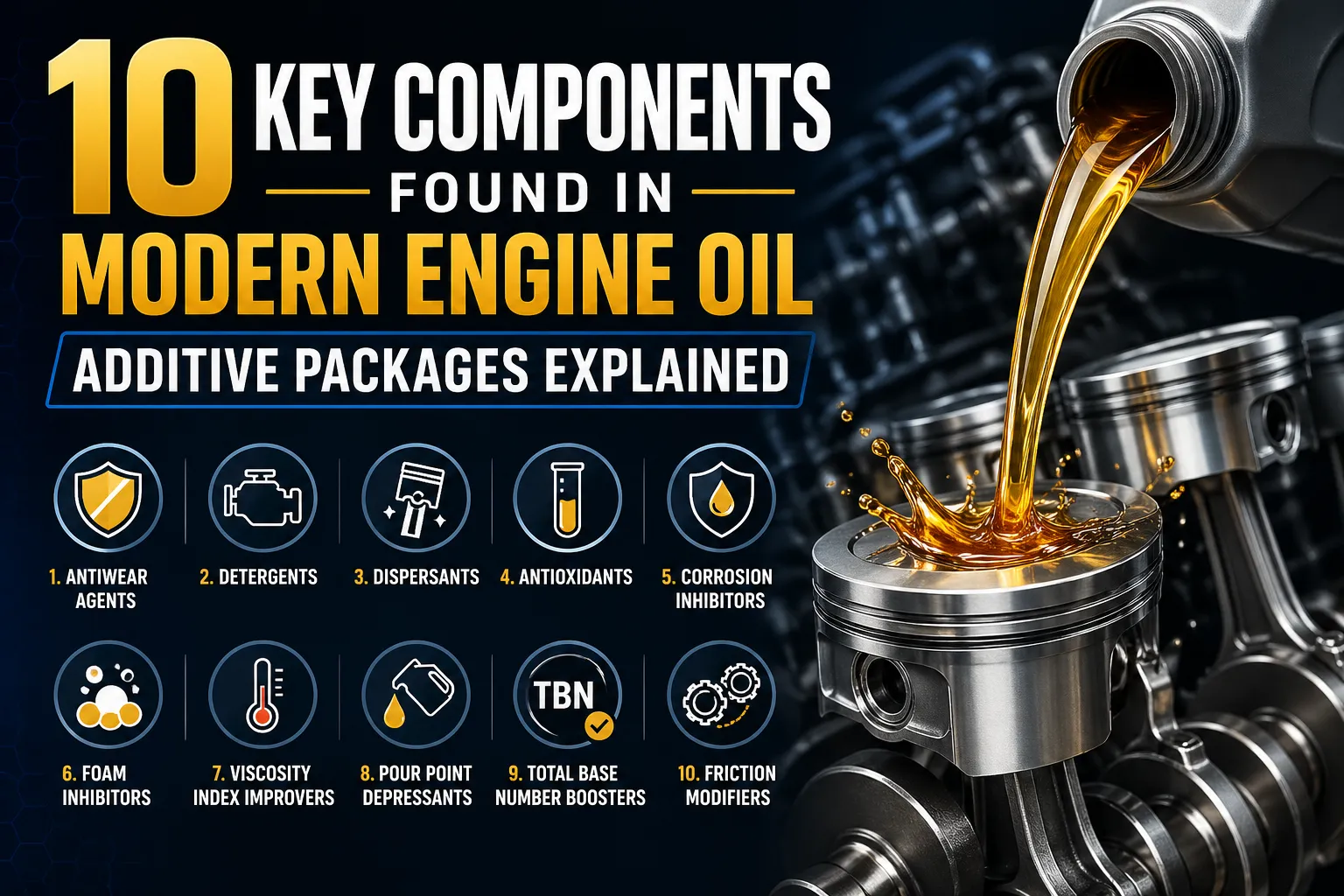
To understand the role of viscosity modifiers in automotive lubricants, it is important to first understand what they are. Viscosity modifiers are polymers that are added to lubricating oils to alter their flow characteristics. They work by enhancing the viscosity index (VI) of the lubricant, allowing it to remain stable across a wide range of temperatures.
2. Maintaining Optimal Performance
One of the primary functions of viscosity modifiers is to ensure that the lubricant maintains its optimal performance at different operating temperatures. In cold weather, the oil can become thick and sluggish, making it difficult for the engine to start and operate smoothly. Viscosity modifiers prevent this by reducing the oil's viscosity at low temperatures, allowing it to flow more easily and provide adequate lubrication. Similarly, in hot weather, viscosity modifiers prevent the oil from thinning too much, maintaining a stable film of lubrication between moving parts.
3. Fuel Efficiency and Energy Savings
Viscosity modifiers also play a significant role in improving fuel efficiency and energy savings. By reducing friction and wear between engine components, the lubricant with viscosity modifiers can reduce the energy required to overcome resistance and improve overall engine efficiency. This translates into lower fuel consumption and reduced carbon dioxide emissions, benefiting both the environment and your pocket.
4. Protection against Wear and Tear
Another important role of viscosity modifiers is to provide protection against wear and tear. As the lubricant forms a protective layer between moving parts, viscosity modifiers ensure that the oil stays in place and retains its viscosity, even under high pressure and extreme conditions. This helps to minimize metal-to-metal contact and reduce friction, which can lead to premature wear, damage, and engine failure.
5. Choosing the Right Viscosity Modifier
Lastly, it is crucial to choose the right viscosity modifier for your automotive lubricant. Factors such as the vehicle's operating temperature range, engine type, and manufacturer's recommendations all play a role in selecting the most suitable viscosity modifier. Consulting with a reputable lubricant supplier or seeking expert advice can help you make an informed decision and ensure optimum performance and protection for your engine.
In conclusion, viscosity modifiers are vital components in automotive lubricants that regulate the flow and thickness of the oil, allowing it to perform optimally in varying temperature conditions. Whether it's improving fuel efficiency, reducing wear and tear, or maintaining smooth engine operation, viscosity modifiers play a crucial role in ensuring the longevity and performance of your vehicle's engine.




























Sign in to leave a comment.