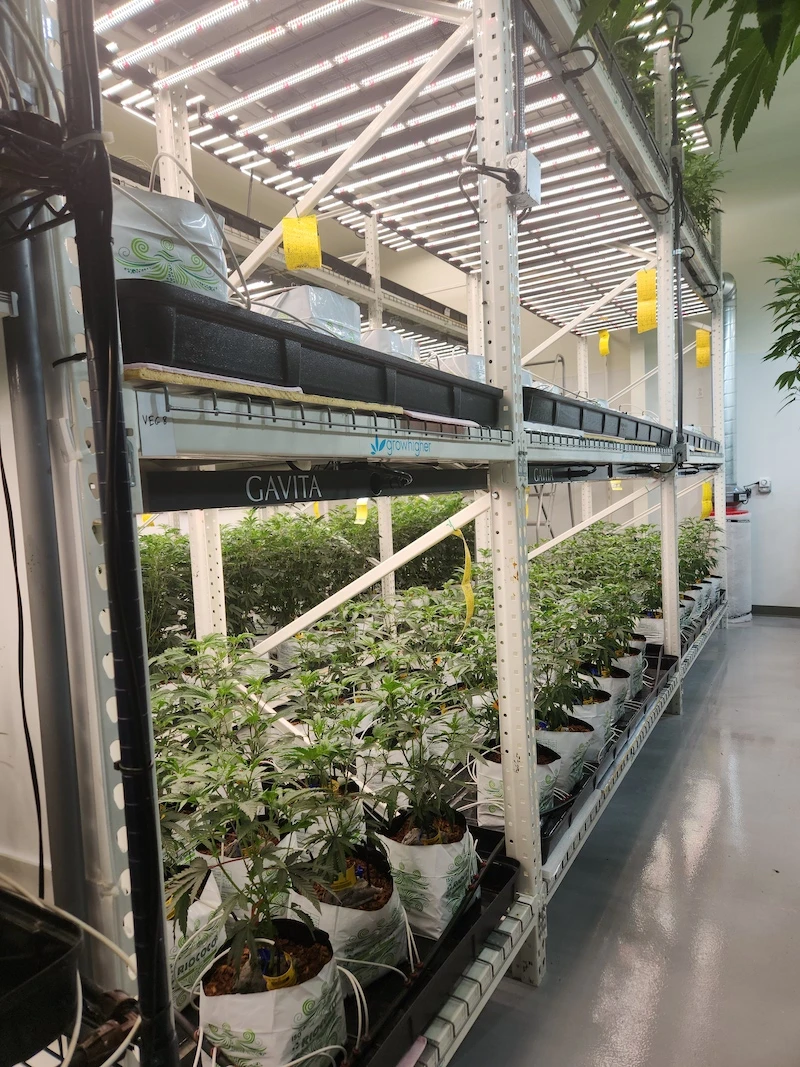

In the realm of modern cultivation, the science of plant radiance has become a key player in shaping the success of indoor gardens. In the past, plants could only grow in direct sunlight. Now, advanced grow lights system are very important for making sure plants can grow in the best way possible. Let's delve into the intricate world of modern cultivation lighting, unveiling the science behind plant radiance and the transformative impact it has on indoor horticulture.
The Evolution of Cultivation Lighting: A Historical Perspective
The journey of cultivation lighting has evolved from humble beginnings to sophisticated, technologically advanced systems. Initially, incandescent bulbs and fluorescent lights were the go-to options, but they fell short in providing the necessary spectrum for robust plant growth. The advent of modern lighting technologies, such as Light Emitting Diodes (LEDs) and High-Intensity Discharge (HID) lamps, marked a significant leap forward in tailoring light to the specific needs of plants.
Photosynthesis Unveiled: The Role of Light in Plant Growth
At the heart of the science of plant radiance is the process of photosynthesis. Plants convert light energy into chemical energy, fueling their growth and development. Different wavelengths of light contribute to various stages of photosynthesis. Understanding the optimal spectrum for plant growth is essential for selecting the right cultivation lighting that mimics the sun's radiance.
Spectrum Matters: Tailoring Light to Plant Needs
Modern cultivation lighting is characterized by its ability to provide a tailored spectrum of light. Full-spectrum LED lights, in particular, have gained prominence for their capacity to emit wavelengths across the entire spectrum, closely resembling natural sunlight. This versatility allows growers to cater to the specific needs of different plant species and growth stages, maximizing photosynthetic efficiency.
The Impact of Light Intensity: Balancing Power and Efficiency
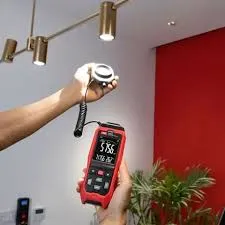
Light intensity plays a crucial role in determining the success of indoor gardens. While plants require sufficient light for photosynthesis, excessive light can lead to stress and damage. Advanced cultivation lighting systems allow growers to fine-tune light intensity, ensuring that plants receive the optimal amount of radiance for their growth without risking photoinhibition.
Duration and Photoperiod: Managing Light Exposure for Growth Cycles
In addition to spectrum and intensity, the duration and photoperiod of light exposure significantly influence plant growth cycles. Certain plants require specific day-length conditions to initiate flowering or enter dormancy. Cultivation lighting systems equipped with programmable timers enable growers to replicate natural day-night cycles, promoting healthy development and reproductive phases in plants.
Energy-Efficient LED Lighting: Revolutionizing Indoor Gardens
LED lighting has emerged as a game-changer in modern cultivation. Energy-efficient, long-lasting, and versatile, LED grow lights have become the preferred choice for indoor growers. These lights not only provide the necessary wavelengths for photosynthesis but also emit minimal heat, reducing the need for additional climate control measures. The energy efficiency of LED lighting aligns with sustainable practices in indoor horticulture.
Beyond Visible Light: Exploring UV and Infrared Benefits
Modern cultivation lighting extends beyond the visible spectrum, incorporating Ultraviolet (UV) and Infrared (IR) wavelengths. UV light, when used judiciously, can enhance the production of secondary metabolites in plants, contributing to flavor and aroma in crops. Infrared light plays a role in plant metabolism and can influence overall plant health. The integration of these wavelengths adds depth to the science of plant radiance.
Dynamic Lighting Strategies: Adapting to Plant Growth Phases
The science of plant radiance involves dynamic lighting strategies that adapt to the different phases of plant growth. Seedlings, vegetative growth, and flowering stages have distinct light requirements. Cultivation lighting systems that allow growers to adjust spectrum, intensity, and photoperiod based on these growth phases optimize the efficiency of indoor gardens, resulting in healthier and more productive plants.
The Role of Reflectors and Optics: Maximizing Light Distribution
Efficient light distribution is essential in indoor gardens to ensure that every part of the plant receives adequate illumination. Reflectors and optics in cultivation lighting systems help direct light towards the plant canopy, minimizing wastage and maximizing the effectiveness of the radiance provided. These components contribute to uniform growth and improved overall yields.
Investing in the Future: Sustainable Cultivation with Advanced Lighting
As the science of plant radiance continues to advance, the future of indoor cultivation is increasingly sustainable. Energy-efficient LED lighting, precision in light spectrum delivery, and the integration of smart technologies are shaping a future where indoor gardens can thrive with minimal environmental impact. The marriage of science and technology in cultivation lighting is not just about illuminating plants; it's about creating a sustainable and efficient ecosystem where the science of plant radiance unfolds to its full potential.
The science of plant radiance has transformed the landscape of indoor horticulture. From the evolution of cultivation lighting technologies to the nuanced understanding of photosynthesis, spectrum, intensity, and duration, modern cultivation lighting has become a sophisticated science. As we unveil the intricacies of plant radiance, we witness a future where indoor gardens flourish under the precise and adaptive glow of advanced cultivation lighting systems. The journey of modern cultivation lighting is not just illuminating plants; it's enlightening the path toward sustainable and efficient indoor agriculture.


















Sign in to leave a comment.