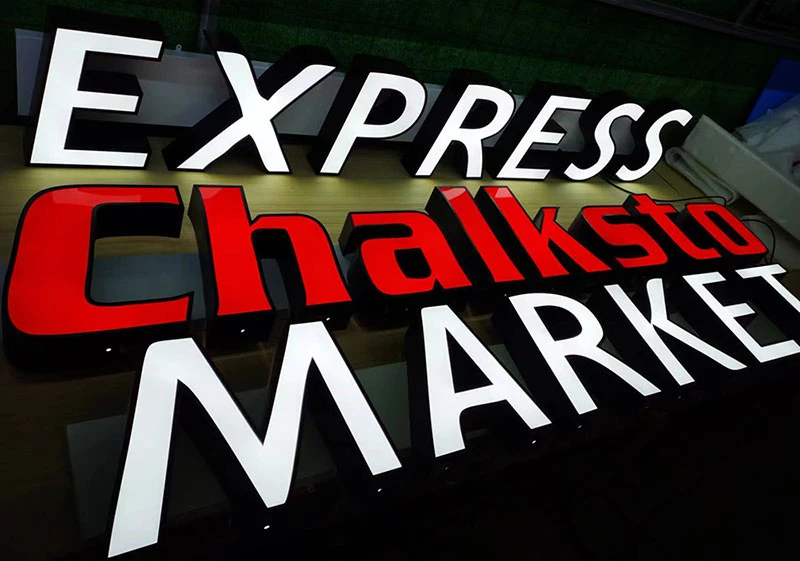

In today’s competitive marketplace, business signs are far more than simple identifiers—they are powerful marketing tools that communicate your brand’s identity before a single word is spoken. Whether mounted on a storefront, displayed indoors, or illuminated at night, the right signage can attract attention, build trust, and ultimately increase sales. For businesses of all sizes, investing in high-quality signage is not just a design choice—it’s a strategic decision.
Why Business Signs Matter
A well-designed sign acts as a silent salesperson, working 24/7 to represent your brand. It’s often the first interaction a potential customer has with your business, making it crucial for creating a positive and lasting impression.
Effective signage helps:
- Increase visibility: Eye-catching signs draw attention even from a distance.
- Build brand recognition: Consistent colors, fonts, and logos reinforce your identity.
- Guide customers: Directional and informational signs improve customer experience.
- Boost credibility: Professional signage signals reliability and trustworthiness.
Without strong signage, even the best products or services can go unnoticed.
Types of Business Signs
Choosing the right type of sign depends on your business goals, location, and target audience. Here are some common options:
1. Exterior Signs
These are designed to attract people from outside your business location. Examples include:
- Storefront signs
- Monument signs
- Channel letters
- Pylon signs
Exterior signs should be bold, legible, and aligned with your brand image.
2. Interior Signs
Interior signage enhances the customer experience once they enter your space. These include:
- Lobby signs
- Wall graphics
- Directional signage
- Safety signs
They help create a cohesive environment and guide customers smoothly through your space.
3. Illuminated Signs
Lighting can significantly increase visibility, especially at night. Popular options include:
- LED signs
- Backlit signs
- Neon signs
Illuminated signage ensures your business remains noticeable even after dark.
4. Temporary Signs
These are ideal for promotions, events, or seasonal campaigns. Examples include:
- Banners
- Yard signs
- Window decals
They are cost-effective and easy to update as needed.
Key Elements of Effective Sign Design
Creating impactful signage requires more than just placing your name on a board. Here are essential design elements to consider:
Clarity and Readability
Your sign should be easy to read at a glance. Use clear fonts, appropriate spacing, and high-contrast colors to ensure visibility from various distances.
Consistent Branding
Consistency is key. Your signage should reflect your brand’s personality through colors, logos, and typography, creating a unified look across all platforms.
Strategic Placement
Even the best design won’t work if it’s poorly placed. Position your sign where it’s easily visible to your target audience, considering traffic flow and viewing angles.
Quality Materials
Durable materials not only extend the lifespan of your sign but also enhance its appearance. Weather-resistant materials are especially important for outdoor signage.
The Psychological Impact of Signage
Business signs do more than inform—they influence perception. Colors, shapes, and lighting can evoke emotions and shape customer behavior. For example:
- Bright colors can create excitement and urgency.
- Minimalist designs convey sophistication and professionalism.
- Warm lighting can make a space feel inviting and comfortable.
Understanding these psychological cues allows businesses to connect more effectively with their audience.
Digital vs. Traditional Signs
With advancements in technology, digital signage has become increasingly popular. However, traditional signs still hold significant value.
Digital Signs
- Dynamic and customizable
- Ideal for real-time updates
- More engaging with animations and videos
Traditional Signs
- Cost-effective
- Timeless and reliable
- Easier to maintain
Many businesses find success by combining both types to maximize impact.
Tips for Maximizing ROI
To get the most out of your signage investment, consider these practical tips:
- Keep it simple: Avoid clutter and focus on key information.
- Update regularly: Refresh your signs to reflect current promotions or branding changes.
- Test visibility: Check how your sign looks at different times of day and from various distances.
- Follow local regulations: Ensure compliance with zoning and signage laws.
Conclusion
Business signs are a crucial element of any successful marketing strategy. They not only help customers find you but also communicate who you are and what you stand for. By investing in well-designed, strategically placed signage, businesses can enhance visibility, strengthen brand identity, and create memorable customer experiences.





























Sign in to leave a comment.