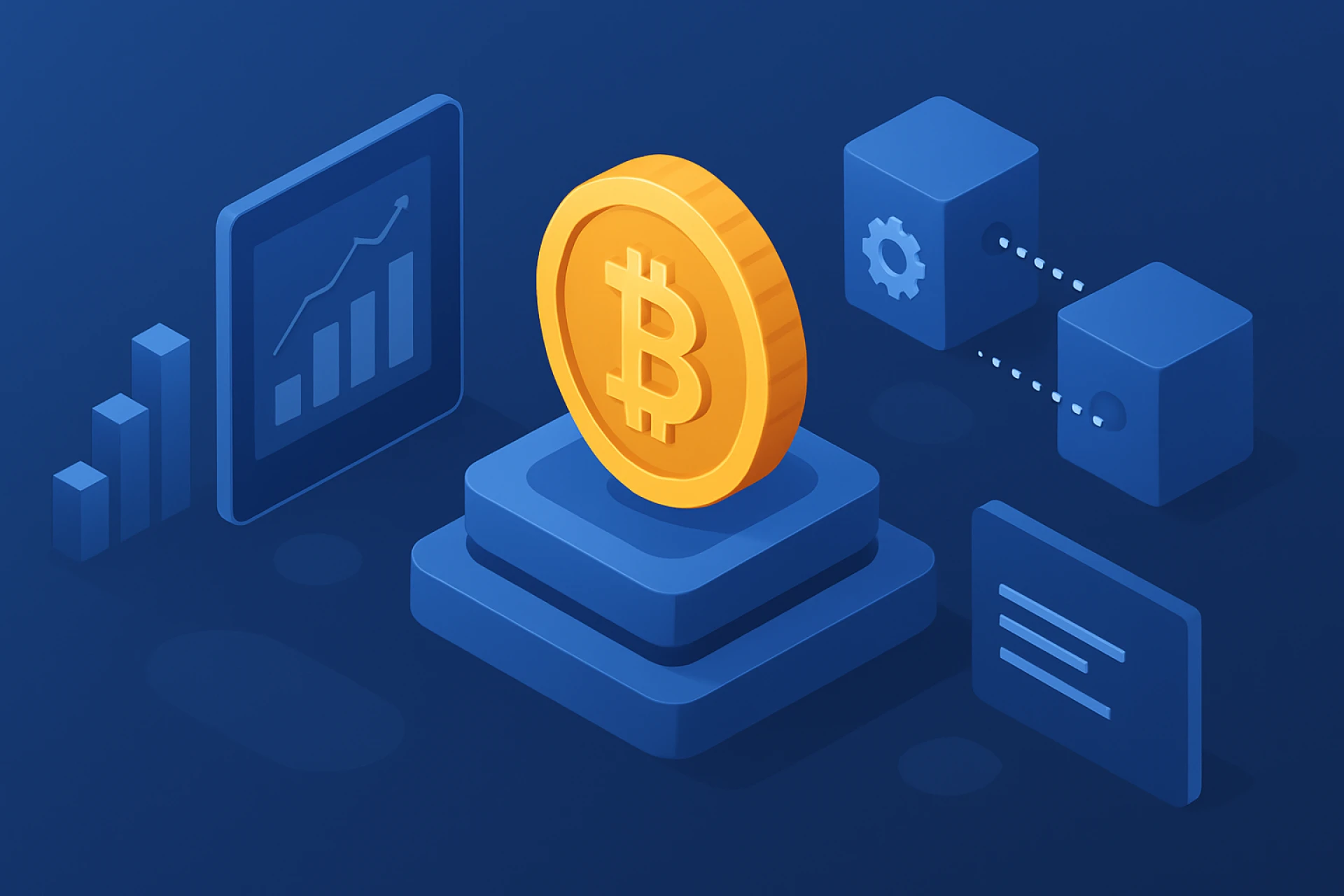

In the fast-evolving world of digital finance, blockchain, and Web3, tokens have emerged as more than just a means of fundraising or investment—they are a bridge between businesses and their audiences. Token marketing, when executed strategically, is no longer just a promotional tool; it is a powerful growth driver that can shape a brand’s long-term success.
By integrating tokens into a business’s marketing strategy, companies can unlock new levels of customer engagement, brand loyalty, and global reach, all while tapping into decentralized financial ecosystems. Let’s explore how token marketing offers strategic advantages that extend far beyond short-term campaigns.
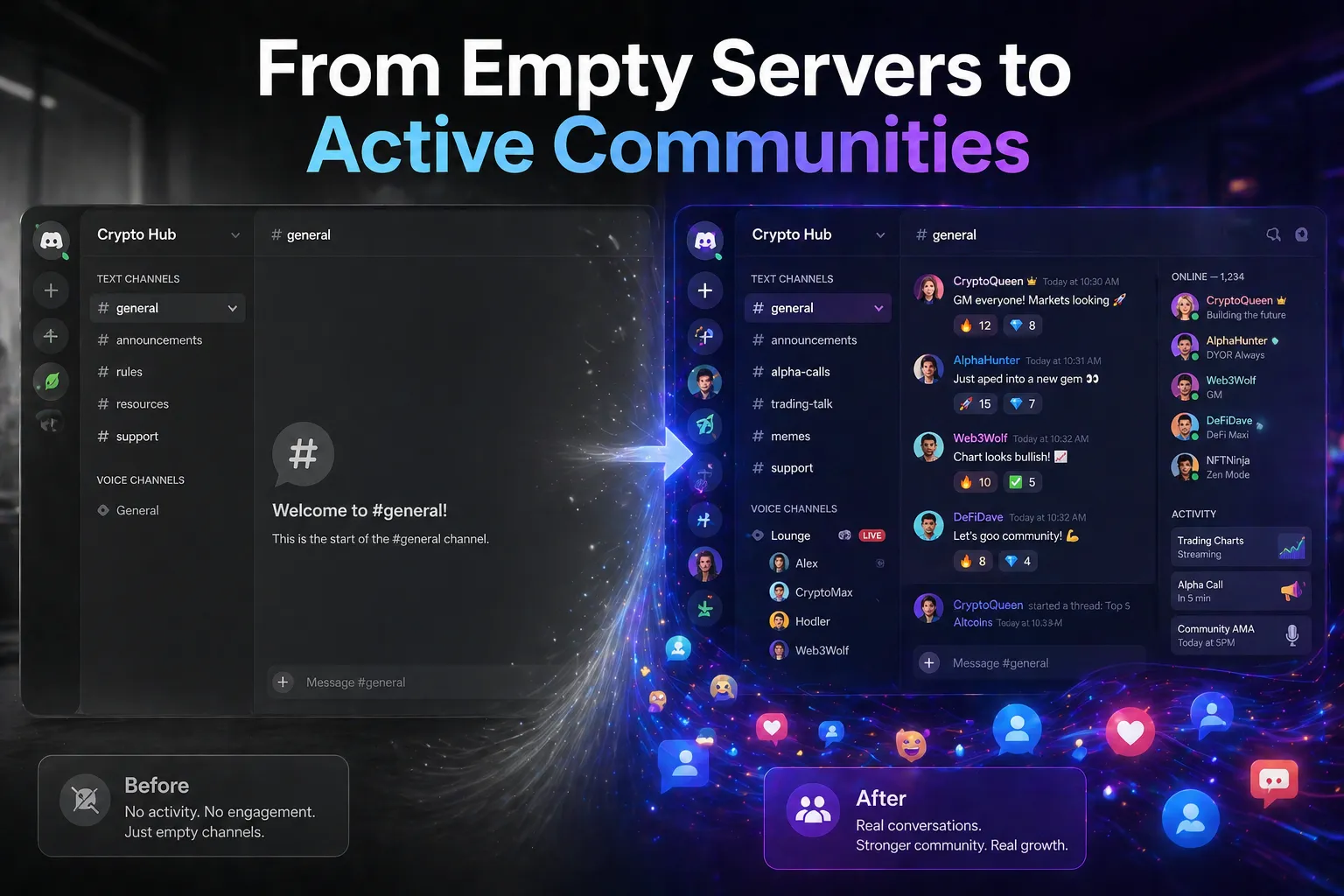
1. Building a Strong and Loyal Community
The success of many blockchain projects lies in the strength of their communities. Unlike traditional marketing, where brands speak at their audience, token marketing creates a two-way value exchange.
When a business issues tokens, it is not just selling a product or service—it is offering a stake in its ecosystem. Holders often feel a sense of ownership and alignment with the brand’s goals. This fosters loyalty, as community members become advocates, promoting the project organically.
For example, token-based loyalty programs can reward long-term supporters with exclusive access to events, early product releases, or governance voting rights. These incentives turn casual customers into brand ambassadors, reducing reliance on expensive paid advertising. Over time, a loyal token-holding community becomes a self-sustaining marketing force.
2. Driving Engagement Through Incentives
One of the most powerful aspects of token marketing is its ability to create engaging reward systems. Businesses can design campaigns where participants earn tokens for specific actions—sharing content, referring friends, or participating in events.
These tokenized incentives encourage ongoing interaction instead of one-off engagements. Unlike traditional reward points, blockchain-based tokens have actual value, whether monetary or in the form of utility within the ecosystem. This perceived and real value motivates deeper involvement.
Consider a business launching an educational platform. By rewarding learners with tokens for completing courses, the brand not only boosts participation but also ensures that these tokens can be used for advanced training modules, creating a continuous loop of engagement and reinvestment.
3. Expanding Global Reach Without Borders
Token marketing removes many barriers faced by traditional campaigns. Since tokens exist on decentralized blockchain networks, they are accessible to anyone with an internet connection.
This borderless nature means businesses can connect with audiences across continents without dealing with complex international payment systems or restrictive marketing regulations. It also opens up new markets where conventional marketing channels may not have a strong presence.
For example, a startup in Asia can distribute tokens to supporters in Europe or South America without dealing with currency conversion headaches. This creates a truly global brand presence while maintaining cost efficiency.
4. Creating Multiple Revenue Streams
Tokens are not just a marketing tool—they can be an additional source of revenue. By issuing tokens with tangible utility, businesses can sell them to raise funds, trade them on exchanges, or offer premium services in exchange for them.
This creates a diversified income model. For instance, a gaming company can launch a native token used for in-game purchases, exclusive content, or trading among players. Not only does this boost sales, but token trading activity also generates additional market visibility.
Moreover, as token demand increases, so does its value—benefiting both the business and its community members. This shared growth potential strengthens long-term loyalty.
5. Enhancing Transparency and Trust
One of the biggest challenges in modern marketing is building and maintaining trust. Token marketing naturally integrates transparency through blockchain technology. All token transactions are recorded on a public ledger, ensuring that distribution, rewards, and fundraising activities are verifiable.
This level of transparency reassures customers and investors that the brand operates with integrity. It reduces skepticism, especially in industries where trust deficits have historically been an issue.
For example, a charity organization using tokens for donations can publicly show where and how funds are allocated, enhancing credibility and attracting more supporters over time.
6. Fostering Long-Term Engagement Over One-Off Campaigns
Traditional marketing often works in bursts—a campaign runs for a few weeks, generates interest, and then fades. Token marketing is inherently designed for continuity.
Since tokens often have ongoing utility—whether for governance, rewards, or exclusive content—audiences remain engaged well beyond the initial marketing push. Businesses can keep updating token-related benefits, ensuring the community has reasons to stay active for months or even years.
A good example is DAO (Decentralized Autonomous Organization) projects, where token holders participate in voting for future developments. This involvement keeps users connected to the brand’s evolution long-term.
7. Encouraging User-Generated Promotion
When users hold tokens with real or potential value, they are more likely to promote the brand voluntarily. This organic advocacy is far more effective than paid ads because it comes from genuine enthusiasm.
Token holders often share updates, success stories, and opportunities related to their holdings, amplifying brand visibility across social media and forums. In essence, every token holder becomes a micro-influencer.
A travel platform issuing tokens for bookings might see users sharing their experiences online to encourage others to join—knowing that greater platform adoption could increase token value.
8. Lowering Marketing Costs Through Decentralized Models
Traditional advertising can be costly, with large budgets spent on agencies, media buying, and platform fees. Token marketing can reduce these expenses by leveraging community-driven promotion and decentralized distribution.
When a brand incentivizes its users directly with tokens instead of paying intermediaries, it bypasses many traditional marketing costs. Moreover, the decentralized nature of blockchain reduces operational overhead for global campaigns.
This cost efficiency not only improves ROI but also allows smaller businesses to compete with larger players in attracting audiences.
9. Strengthening Brand Identity in Web3 Ecosystems
As Web3 continues to grow, businesses that adopt token marketing early can position themselves as forward-thinking innovators. A branded token becomes more than just a marketing asset—it is a symbol of the company’s identity in the decentralized space.
Over time, the token’s design, use cases, and community culture can become synonymous with the brand itself. This strong alignment helps the business stand out among competitors and solidifies its position in blockchain-driven industries.
10. Creating Opportunities for Strategic Partnerships
Token marketing also opens doors to partnerships that traditional marketing cannot easily achieve. Businesses can collaborate with other token-based ecosystems, exchange token-based rewards, or run cross-promotions.
For example, a music streaming service could partner with a ticketing platform, allowing users to earn tokens on one platform and redeem them on the other. This kind of interoperability expands customer reach and adds more value to token holders, creating win-win scenarios for all parties involved.
11. Boosting Investor Confidence
For startups and growth-stage companies, token marketing can also play a role in attracting investors. A well-structured token economy signals innovation, scalability, and an engaged community—all attractive factors for venture capital and strategic investors.
By demonstrating active token utility, transparent governance, and a growing holder base, businesses can position themselves as sustainable investment opportunities. This further reinforces long-term stability and market confidence.
12. Preparing for the Future of Digital Commerce
Digital commerce is rapidly shifting toward decentralized models where tokenized assets and blockchain infrastructure play a central role. By embracing token marketing now, businesses not only gain immediate advantages but also future-proof themselves for upcoming market shifts.
As more industries adopt tokenization—from supply chains to entertainment—brands that already have functional token ecosystems will be able to adapt quickly, staying ahead of competitors still reliant on outdated methods.
Conclusion
Token marketing is more than a trend—it’s a transformative business strategy that delivers measurable advantages in community building, brand loyalty, global expansion, and long-term engagement. By integrating tokens into their marketing efforts, companies can move beyond transactional relationships and cultivate ecosystems where customers, partners, and investors all benefit.
In an era where trust, transparency, and global accessibility define success, token marketing offers businesses a scalable, cost-effective, and future-ready path. For brands aiming not just to survive but to thrive in the digital economy, the time to embrace token marketing is now.







Sign in to leave a comment.