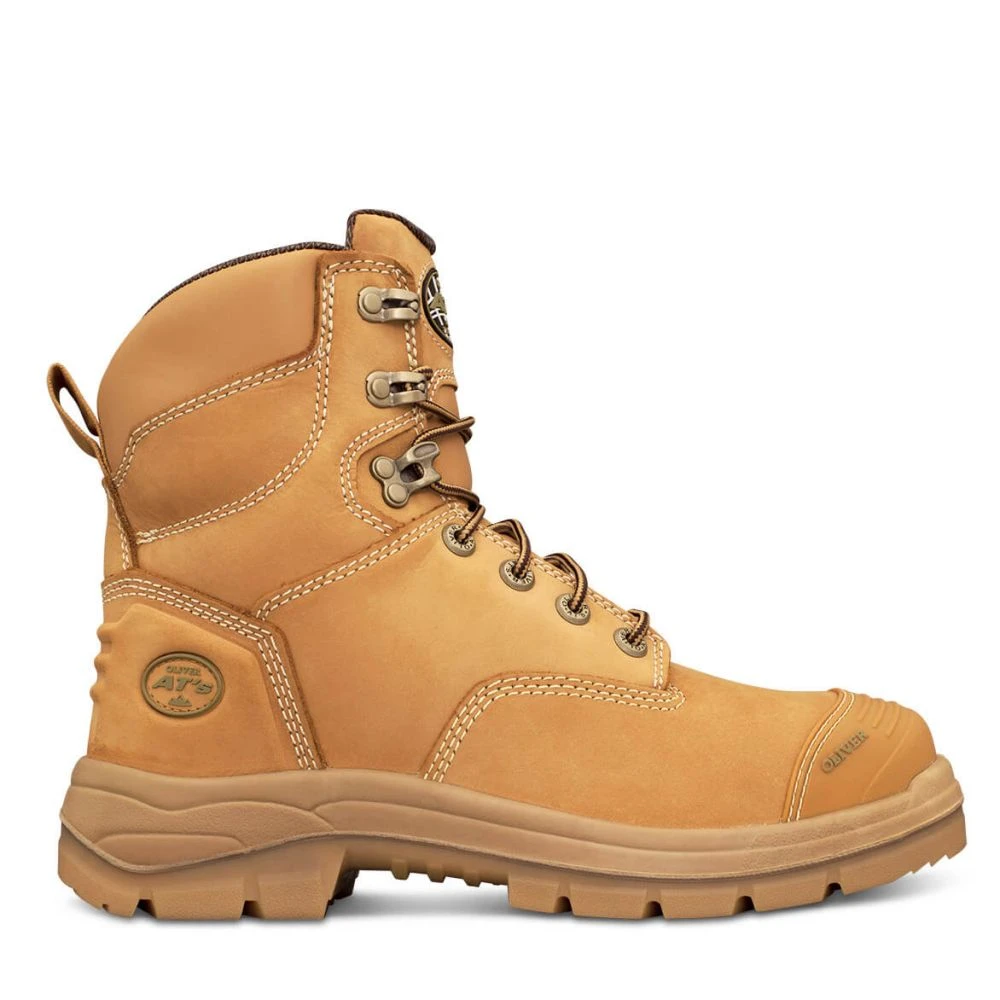
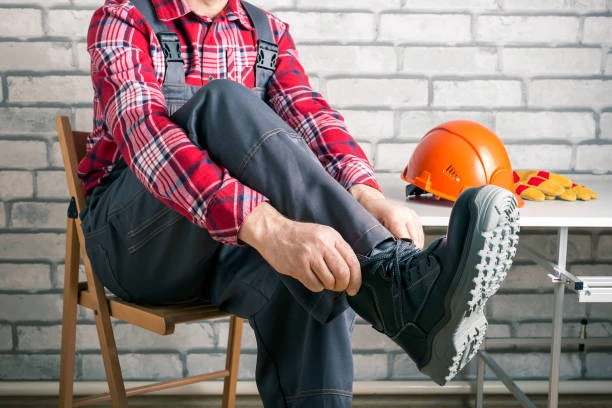
On a construction site, your feet are your foundation. They carry you across uneven terrain, support you through long hours, and protect you from heavy equipment, sharp debris, and harsh weather. That’s why choosing the right construction boots is not just a matter of comfort—it’s a matter of safety, performance, and compliance.
But with so many options available—steel toe, composite toe, waterproof, insulated, slip-resistant—it can be overwhelming to decide which boots are best for your job. This guide breaks down everything you need to know so you can make a confident and informed choice.
Why Construction Boots Matter
Construction sites are among the most hazardous workplaces. From falling objects to electrical risks, your feet face a range of potential dangers every day. Wearing the wrong footwear can result in injuries such as:
- Crushed toes from heavy tools or equipment
- Slips, trips, and falls on wet or uneven surfaces
- Burns or cuts from sharp debris or chemicals
- Electrical shocks when working near live wires
Beyond safety, construction boots also impact your productivity. Properly fitted, supportive boots reduce fatigue, prevent blisters, and provide stability for long shifts. Simply put: the right boots protect you, keep you comfortable, and help you perform better.
Key Factors to Consider When Choosing Construction Boots
When selecting construction boots, think about your work environment, safety needs, comfort preferences, and budget. Here are the most important factors to consider:
1. Toe Protection: Steel vs Composite
- Steel Toe Boots: Steel toe boots are the traditional choice, offering maximum protection against impact and compression. Best for heavy-duty environments like demolition or mining. However, they are heavier and conduct temperature.
- Composite Toe Boots: Composite toe boots are made from non-metal materials like Kevlar, carbon fiber, or plastic. Lighter and non-conductive, making them ideal for electricians or jobs requiring long hours of walking.
Tip: Both steel and composite boots must meet the same safety standards (such as ASTM or ISO), so choose based on your work conditions and comfort needs.
2. Slip Resistance
Construction sites often involve oil, mud, or wet concrete. Slip-resistant outsoles with deep tread patterns help prevent accidents. Rubber soles are usually best for grip on a variety of surfaces.
3. Waterproofing and Weather Resistance
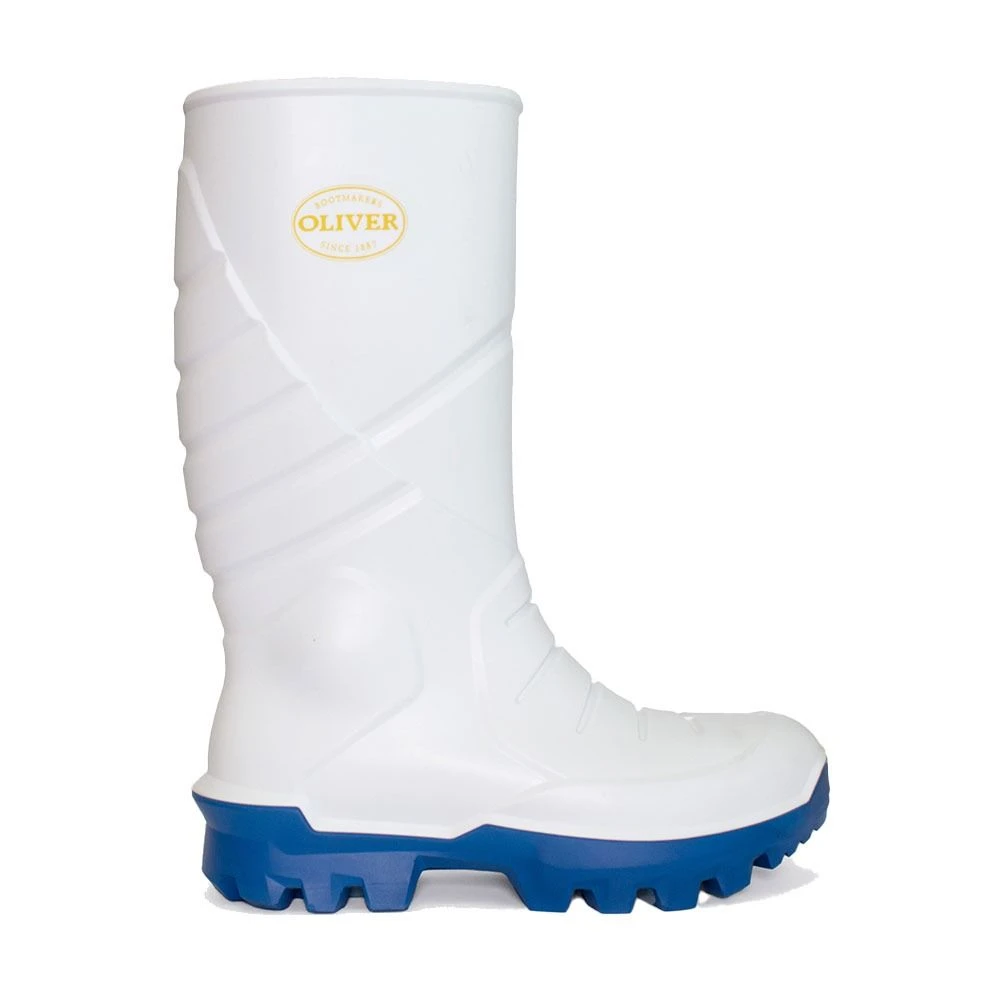
If you work outdoors, waterproof boots are essential. Look for boots with sealed seams, treated leather, or waterproof membranes.
For cold weather jobs, insulated boots keep your feet warm. In hot climates, breathable materials prevent overheating and sweat buildup.
4. Electrical Hazard Protection
Some construction roles involve exposure to live wires or electrical equipment. In these cases, you need EH-rated boots, which are designed to insulate and protect you from electrical shock.
5. Durability and Material
Most high-quality construction boots are made from full-grain leather, which is durable and resistant to wear. Synthetic materials can be lighter and more affordable but may not last as long. Reinforced stitching, abrasion-resistant toes, and puncture-proof midsoles are additional durability features to look for.
6. Comfort and Fit
You’ll likely spend 8–12 hours in your boots, so comfort is non-negotiable. Features that improve comfort include:
- Cushioned insoles for shock absorption
- Supportive midsoles for stability
- Padded collars to prevent ankle rubbing
- Moisture-wicking linings to keep feet dry
Make sure to try on boots with the socks you normally wear at work and walk around to check for pressure points.
7. Weight
Heavy boots may offer maximum protection, but they can also cause fatigue. Lightweight boots with composite toes or advanced materials balance protection with comfort, especially for long shifts with lots of walking.
8. Compliance with Safety Standards
Always ensure your boots meet industry safety standards such as:
- ASTM F2413 (U.S.
- ISO 20345 (International)
- AS/NZS 2210.3 (Australia/New Zealand)
These certifications guarantee your boots provide adequate protection against workplace hazards.
Matching Boots to Your Job
Different construction roles demand different features in footwear. Here’s a breakdown:
1. General Construction Workers
- Best Choice: Steel toe or composite toe boots with slip-resistant soles.
- Why: Provides protection from falling tools and debris, plus stability on uneven terrain.
2. Electricians
- Best Choice: Composite toe, EH-rated boots.
- Why: Non-metallic materials prevent conductivity while still offering protection.
3. Outdoor/Heavy-Duty Work (Mining, Demolition)
- Best Choice: Steel toe, waterproof, and insulated boots with puncture-resistant midsoles.
- Why: Maximum durability and protection against multiple hazards.
4. Warehouse and Logistics Workers
- Best Choice: Lightweight composite toe boots with cushioning.
- Why: Comfort and reduced fatigue are key when walking long distances.
5. Road Construction and Outdoor Jobs
- Best Choice: Waterproof and slip-resistant boots with high visibility accents.
- Why: Protects against weather while keeping you safe in traffic-exposed zones.
Extra Features Worth Considering
- Metatarsal Guards: Protect the upper foot from heavy falling objects.
- Puncture-Proof Soles: Essential if working around nails, sharp rebar, or debris.
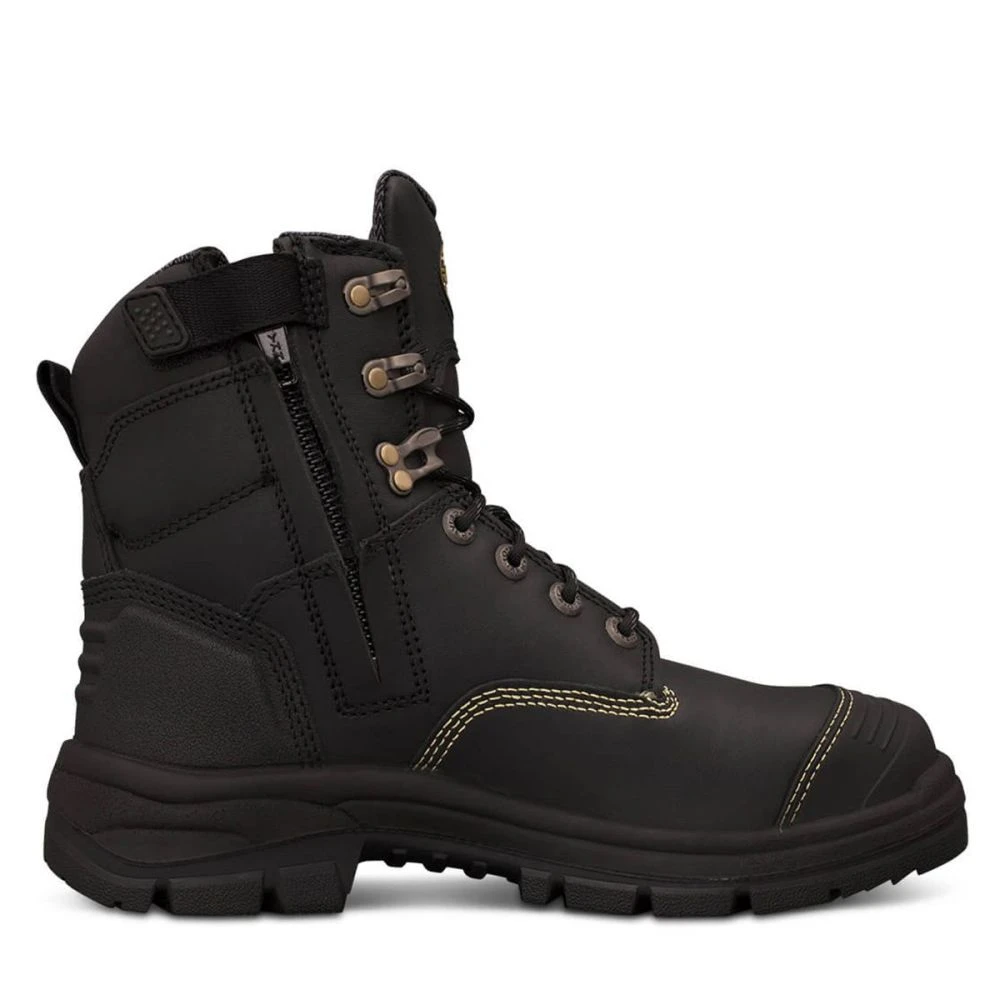
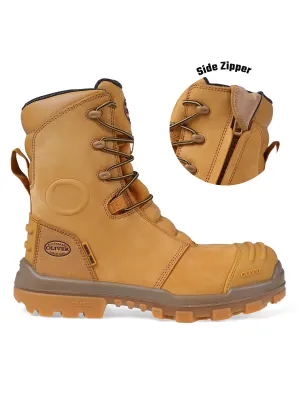
- Side Zips: Convenient for quick removal at the end of the day.
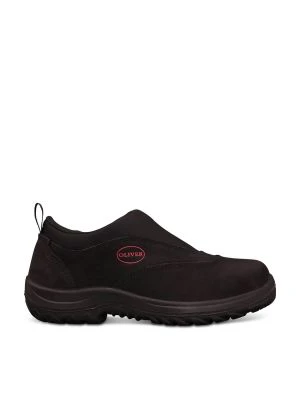
- High-Cut vs Low-Cut Boots: High-cut boots provide ankle support, while low-cut options are lighter and more flexible.
Tips for Choosing the Right Pair
- Know Your Job Hazards – Make a list of risks you face daily (falling objects, electrical hazards, slippery floors) and choose boots that address them.
- Prioritize Comfort – Safety means little if your boots cause pain or blisters.
- Invest in Quality – Cheap boots wear out quickly and may not provide consistent protection. Think of boots as an investment in your health.
- Check Return Policies – Some brands offer trial periods or comfort guarantees, giving you peace of mind.
- Maintain Your Boots – Regularly clean, condition, and waterproof your boots to extend their lifespan.
Conclusion
Choosing the right construction boots is about balancing safety, comfort, and durability. The best pair depends on the hazards you face, the conditions you work in, and the comfort you need for long shifts. Steel toe boots are unbeatable for heavy-duty protection, while composite toe boots are ideal for workers needing lightweight, non-metallic options.
Ultimately, your boots are more than just footwear—they are safety equipment that protects your livelihood. Investing in the right pair will not only keep your feet safe but also improve your performance and well-being on the job.

























Sign in to leave a comment.