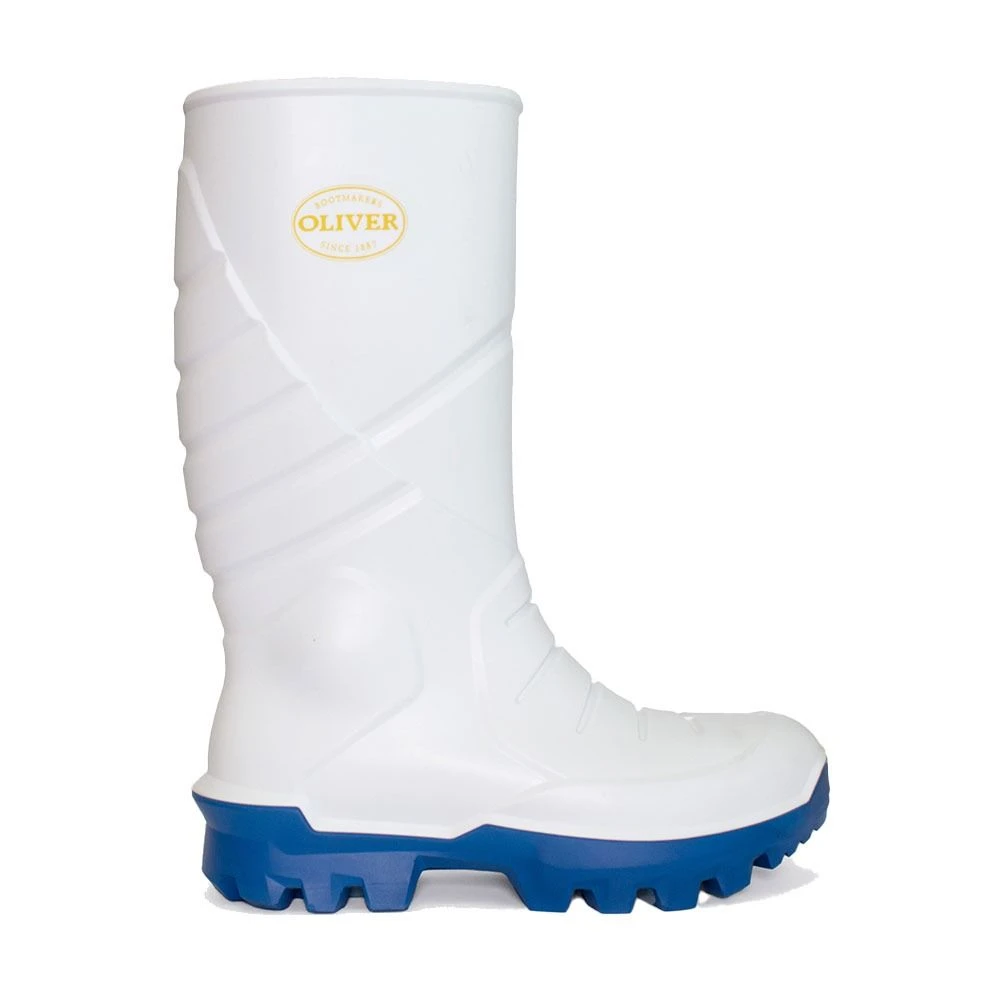
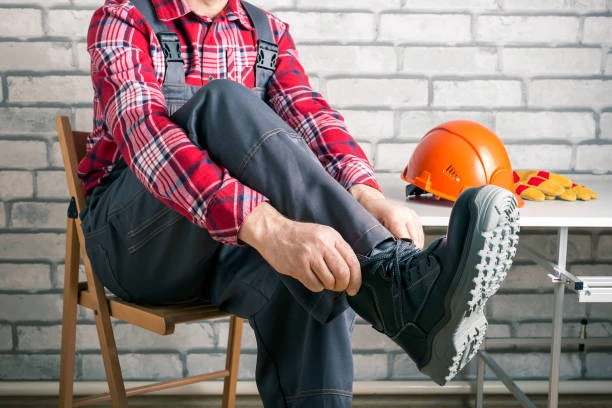
When harsh weather strikes, having the right footwear can make all the difference. Whether you’re trudging through heavy rain, navigating muddy worksites, or dealing with icy conditions, gumboots (also known as wellingtons or rubber boots) offer the protection and durability you need. But not all gumboots are created equal, and choosing the wrong pair can leave you with wet feet, cold toes, or even safety risks in hazardous environments.
Why the Right Gumboots Matter
Gumboots are designed to provide a waterproof barrier, but in harsh conditions, they do much more than that. The right pair can:
- Keep you dry in heavy rain or flooding.
- Offer warmth in cold and icy environments.
- Provide traction on slippery or muddy ground.
- Ensure safety in worksites with electrical or chemical hazards.
- Enhance comfort during long hours on your feet.
Investing in the correct gumboots means protecting not only your feet but also your overall wellbeing and productivity, especially in demanding weather.
Key Features to Look for in Gumboots for Harsh Weather
1. Waterproofing and Material Quality
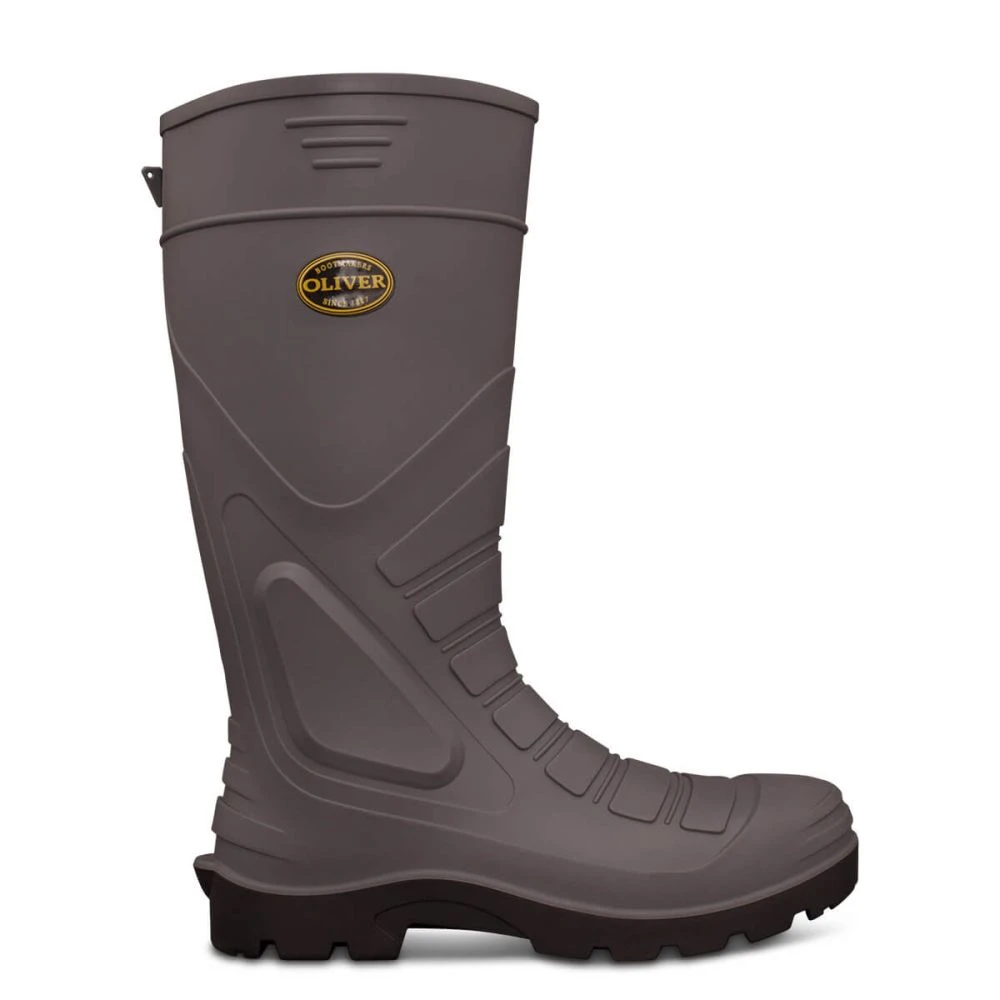
The first purpose of gumboots is to keep water out. Look for work boots made of high-quality rubber or PVC that can withstand prolonged exposure to water. Natural rubber tends to be more flexible and comfortable, while PVC is generally more resistant to chemicals.
For extreme wet conditions, ensure the seams are sealed or bonded, preventing leaks.
2. Insulation and Thermal Protection
If you’re facing cold weather, standard gumboots may not offer enough warmth. Insulated gumboots, often lined with neoprene, fleece, or thermal fabric, provide additional warmth while keeping out moisture.
Consider the temperature rating of the boots, especially if you’ll be working outdoors for long hours in freezing conditions.
3. Grip and Sole Design
Slippery mud, wet pavements, and icy surfaces demand gumboots with excellent traction. Look for:
- Deep tread patterns for grip in mud and dirt.
- Slip-resistant soles for wet and oily conditions.
- Cleated outsoles that shed mud to prevent buildup.
If you’re working in industrial or agricultural environments, soles should also be resistant to oils, acids, or chemicals.
4. Height of the Boot
Gumboots come in varying heights, from ankle to knee-high. For harsh weather conditions:
- Knee-high boots provide the best protection against deep water, mud, or snow.
- Mid-calf boots are lighter and easier to move in but may not shield against very wet conditions.
Choose based on the depth of water or mud you’re likely to encounter.
5. Comfort and Fit
Comfort is often overlooked, but in harsh weather, it becomes essential. Look for:
- Cushioned insoles for shock absorption.
- Adjustable gussets or straps for a snug fit around calves.
- Breathable linings to reduce sweat buildup.
Ill-fitting gumboots can cause blisters, fatigue, and reduced mobility—so always try them on with the type of socks you’ll wear in extreme weather.
6. Durability and Reinforcement
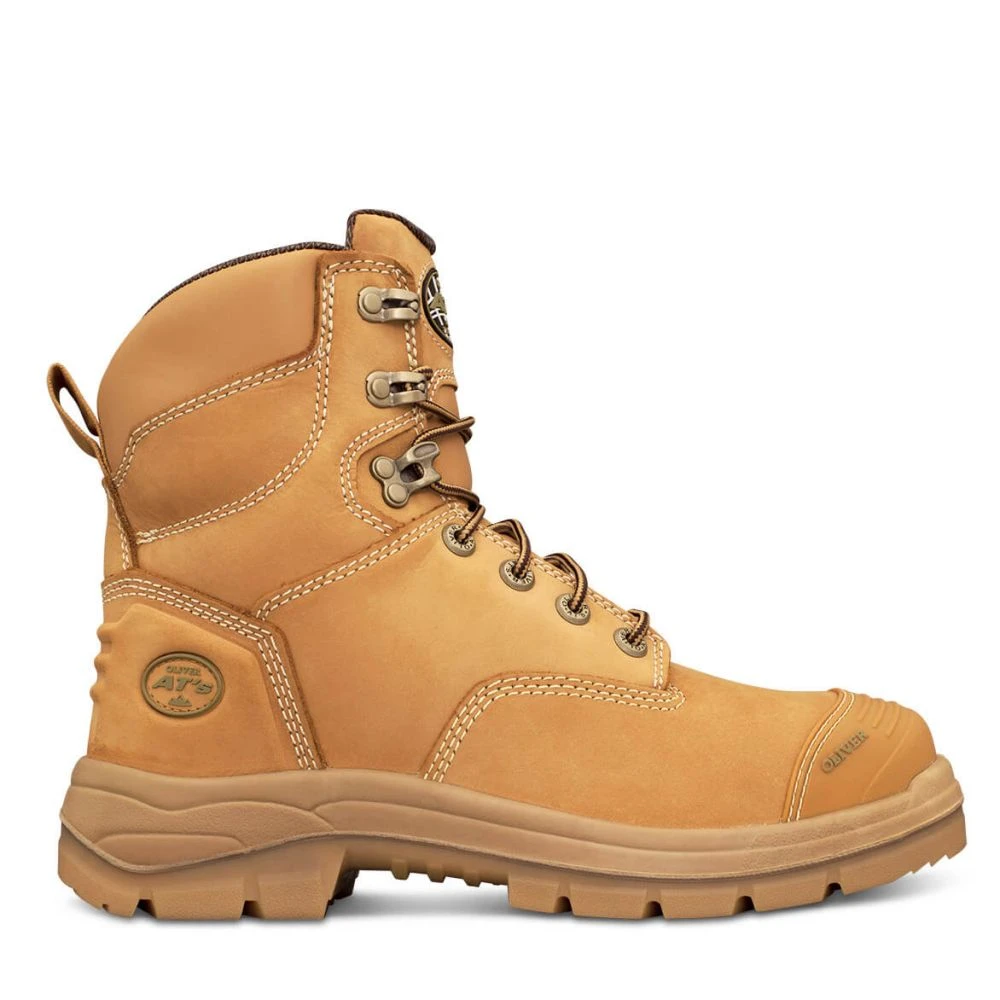
In rugged conditions, boots take a beating. Reinforced areas around the toe, heel, and ankle can extend the life of your gumboots. Steel toe caps or composite toe protection may be necessary for worksites where safety standards are required.
7. Safety Features for Work Environments
If you’re working in harsh industrial conditions as well as bad weather, look for gumboots with additional safety certifications, such as:
- Electrical hazard protection
- Chemical resistance
- Puncture-resistant midsoles
These features ensure your boots protect you from more than just rain and mud.
Choosing Gumboots for Specific Harsh Weather Conditions
1. Heavy Rain and Flooding
For stormy conditions, knee-high, 100% waterproof gumboots with slip-resistant soles are essential. Opt for lighter materials like PVC if you need flexibility, or reinforced rubber if you want durability.
2. Snow and Icy Conditions
Insulation becomes critical. Look for neoprene-lined boots with deep treads for traction on ice. Anti-slip soles with ice-grip technology can provide extra safety.
3. Muddy or Agricultural Environments
Choose gumboots with self-cleaning soles that prevent mud from sticking. Reinforced rubber is ideal for resisting abrasion from rough terrain.
4. Worksites with Hazards
Steel toe or composite toe gumboots are necessary for safety compliance. Also, check for chemical-resistant or electrical hazard-rated options if relevant to your environment.
Practical Buying Tips
- Consider Your Climate and Environment – Think about the worst conditions you’ll face and choose boots that exceed those requirements.
- Check Sizing Carefully – Gumboots often run slightly larger to accommodate thick socks. Try them on with the type of socks you’ll use.
- Balance Weight and Protection – Heavy-duty gumboots offer more safety but can be tiring to wear for long hours. Choose wisely based on activity.
- Don’t Compromise on Quality – Cheaper boots may save money upfront but often wear out quickly or fail to protect adequately in harsh weather.
- Look for Reputable Brands – Established gumboot manufacturers often test their boots for extreme conditions and provide certifications.
Caring for Your Gumboots
Proper care ensures your gumboots last longer:
- Clean after each use – Rinse mud and dirt with water and dry naturally (avoid direct sunlight or heaters).
- Store correctly – Keep in a cool, dry place away from direct sunlight to prevent cracking.
- Check for wear – Inspect soles and seams regularly for damage.
- Condition rubber – Use a rubber conditioner to maintain flexibility.
Conclusion
Choosing the right gumboots for harsh weather conditions is about more than just keeping your feet dry—it’s about staying safe, comfortable, and productive in environments where the weather works against you. By focusing on waterproofing, insulation, traction, safety features, and fit, you can find gumboots that meet the challenges of your climate and work demands.
Whether you’re a farmer braving muddy fields, a worker tackling stormy construction sites, or simply someone preparing for extreme rain or snow, the right gumboots will give you the protection and confidence to keep moving forward—no matter how tough the weather gets.
























Sign in to leave a comment.