
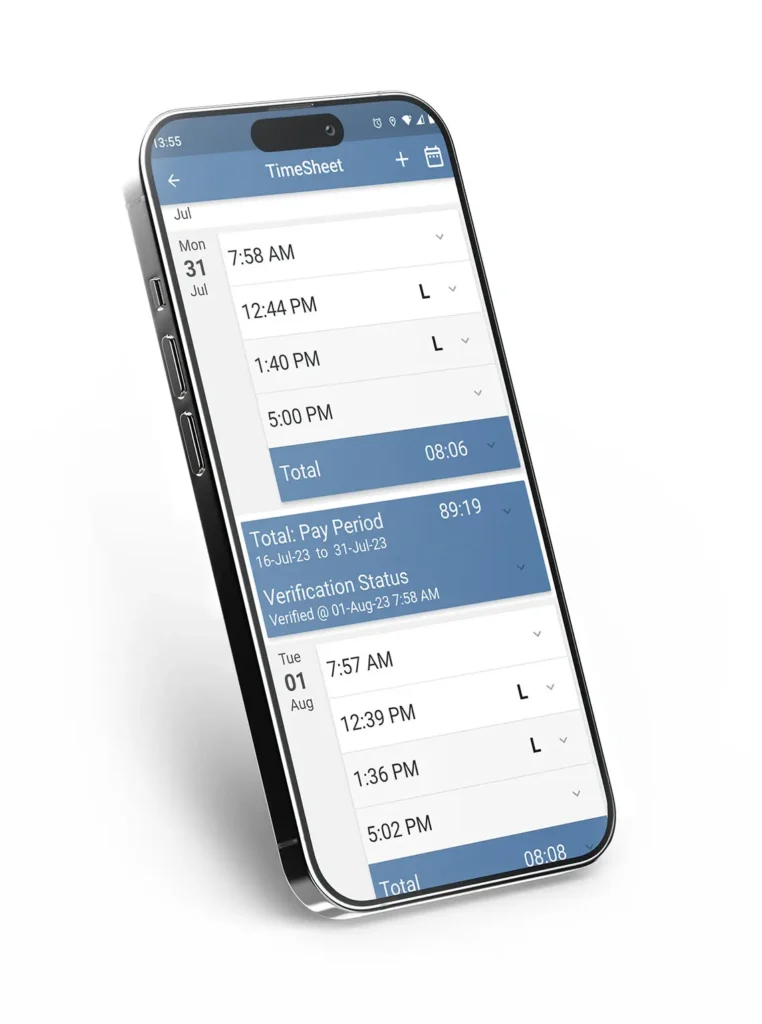
In today’s fast-paced, digitally driven work environment, time is more than just money—it’s productivity, transparency, and strategic growth. Managing employee time effectively has become a cornerstone of success for companies of all sizes. While spreadsheets and manual tracking have long been outdated, digital solutions are stepping in to streamline workflows and provide real-time data. This is where a work time tracker becomes invaluable.
The Evolution of Time Tracking
Gone are the days of punch cards and analog clocks. The workplace has evolved, and so have the methods of monitoring work hours. Companies are increasingly embracing cloud-based platforms and mobile applications that offer precise insights into how time is spent. A work time tracker is more than just a clock-in/clock-out tool—it’s a comprehensive system that supports employee accountability, project management, client billing, and workforce analytics.
These trackers help companies understand how resources are utilized, identify bottlenecks, and empower team leaders to make data-informed decisions. Whether it's a remote team working across different time zones or an in-office team managing multiple projects, time tracking solutions ensure transparency and discipline.
Why Businesses Need a Work Time Tracker
1. Improved Productivity and Accountability
One of the biggest advantages of using a time tracking tool is the visibility it provides. Employees are more likely to stay focused and productive when they know their time is being monitored. Managers, on the other hand, can spot inefficiencies or time drains and take action accordingly.
For example, if a specific task consistently takes longer than expected, it may need a workflow adjustment or additional resources. This feedback loop promotes continuous improvement in performance.
2. Accurate Client Billing and Project Estimates
For service-based companies and freelancers, billing clients based on time spent is common practice. A work time tracker allows for precise logging of hours, ensuring that clients are billed accurately and transparently. This not only builds trust but also reduces the chances of undercharging or overcharging.
Moreover, time tracking provides historical data that can be invaluable for future project estimates. With concrete numbers to reference, businesses can bid more accurately on contracts and allocate resources more effectively.
3. Better Workforce Management
Managing a team, especially in a hybrid or remote setting, can be challenging. Without physical presence, it’s hard to know who’s working on what. Time trackers give managers a real-time overview of team activity and progress.
Additionally, these systems often come with built-in features like break tracking, overtime alerts, and absence management. This helps ensure compliance with labor laws and internal policies while also supporting employee wellbeing.
Features to Look For in a Work Time Tracker
When choosing the right solution for your team, look for features that align with your business goals and workflows. Some of the most valuable features include:
- Automated Time Logging – Reduces the burden of manual entry.
- Mobile Access – Enables tracking on the go, ideal for field workers or remote teams.
- Task and Project Integration – Links time entries directly to projects or client tasks.
- Reporting and Analytics – Helps you understand trends and make informed decisions.
- Team Collaboration Tools – Encourages communication and coordination.
The more intuitive the system, the more likely your team will use it consistently and correctly.
Common Challenges and How to Overcome Them
Despite their benefits, time trackers can face resistance from employees who perceive them as intrusive or burdensome. It’s essential to communicate the purpose and benefits clearly. Position the tool not as a surveillance device, but as a support system to ensure fair workloads, recognition of efforts, and smoother operations.
Training and onboarding also play a crucial role. Provide adequate guidance and support when introducing the tool to ensure a smooth transition. Encourage feedback and adapt settings based on team needs to increase adoption rates.
Real-World Applications of Work Time Trackers
Let’s take a look at how various industries leverage work time tracking:
- IT and Software Development: Teams use trackers integrated with platforms like Jira and Trello to log billable hours, manage sprints, and track progress on code pushes.
- Marketing Agencies: Trackers help monitor time spent on client campaigns, enabling transparent billing and campaign performance analysis.
- Construction and Field Services: Mobile time tracking ensures accurate data from field workers, eliminating guesswork and ensuring fair compensation.
- Healthcare: Time logs for caregivers and medical staff ensure compliance with regulations and help in budget planning for departments.
The Future of Time Tracking
With advancements in AI and machine learning, future work time trackers are expected to become even more intelligent. They may predict project completion times, suggest workload adjustments, and even detect burnout risks based on user activity. Integration with biometric systems and productivity tools will also further automate and simplify the process.
The move toward flexible and remote work will only intensify the demand for efficient time tracking. Businesses that adopt and optimize these tools today are setting themselves up for smoother operations and scalable growth.
Final Thoughts
Incorporating a work time tracker into your daily operations is no longer just an option—it’s a strategic necessity. Whether you are a startup trying to manage a lean team or a growing enterprise with multiple departments, time tracking ensures that every minute counts. It leads to increased productivity, streamlined operations, and smarter decision-making.
Make the switch today, and you’ll not only gain control over your team’s time but also unlock new opportunities for growth and efficiency. The tools are ready—the time to act is now.




























Sign in to leave a comment.