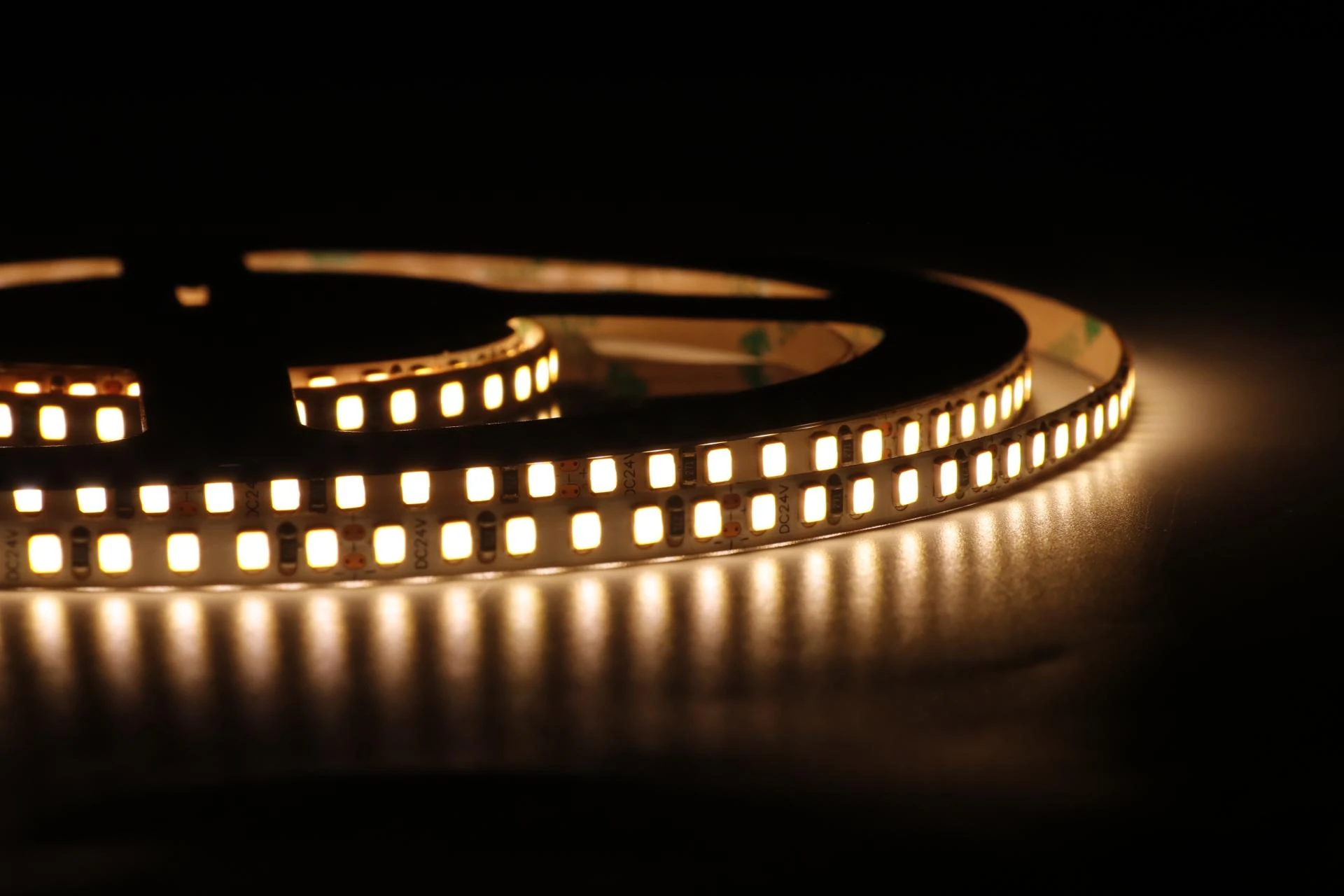

If you’re planning a lighting upgrade for your home, retail space, hospitality venue, or architectural façade, LED strip lights and neon flex are two categories you can’t ignore. They deliver sleek aesthetics, low energy consumption, and endless creative freedom—all while staying budget friendly. In this guide, we’ll walk through the essentials of LED strips and neon flex, the latest innovations, and real-world applications. We’ll also point you to trusted product categories and a reputable manufacturer to help you source with confidence.
Why LED Strip and Neon Flex?
• Energy efficiency with high lumen-per-watt outputs
• Slim, low-profile formats to fit tight coves and profiles
• Dimmable and color-tunable options (CCT and RGB/RGBW)
• Long lifespans and minimal maintenance
• Flexible form factors for curves, corners, and custom shapes
LED Strip vs. LED Neon Flex: What’s the Difference?
• LED strips are linear, flexible PCBs populated with LEDs. They’re ideal for under-cabinet lighting, cove lighting, retail shelving, display cases, and task illumination. Explore core categories like the broad-range LED flexible strip and the refined, dot-free COB LED strip.
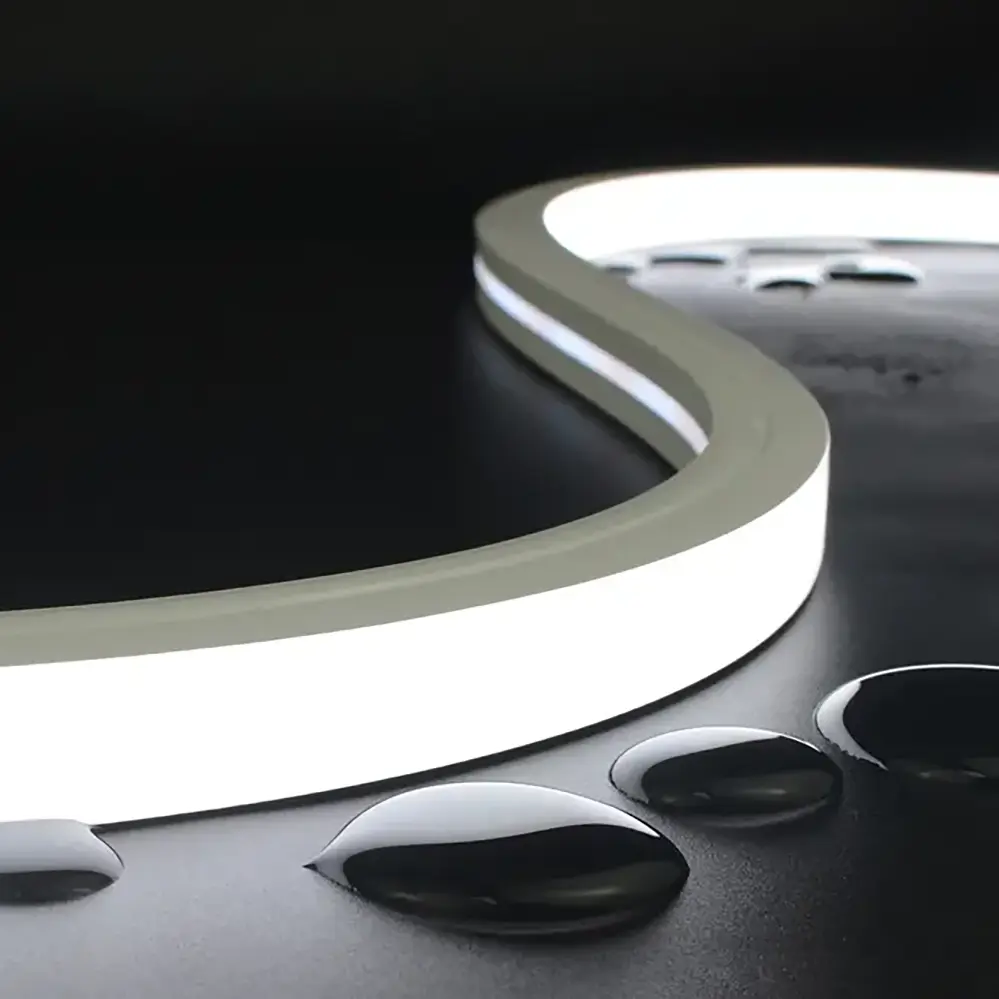
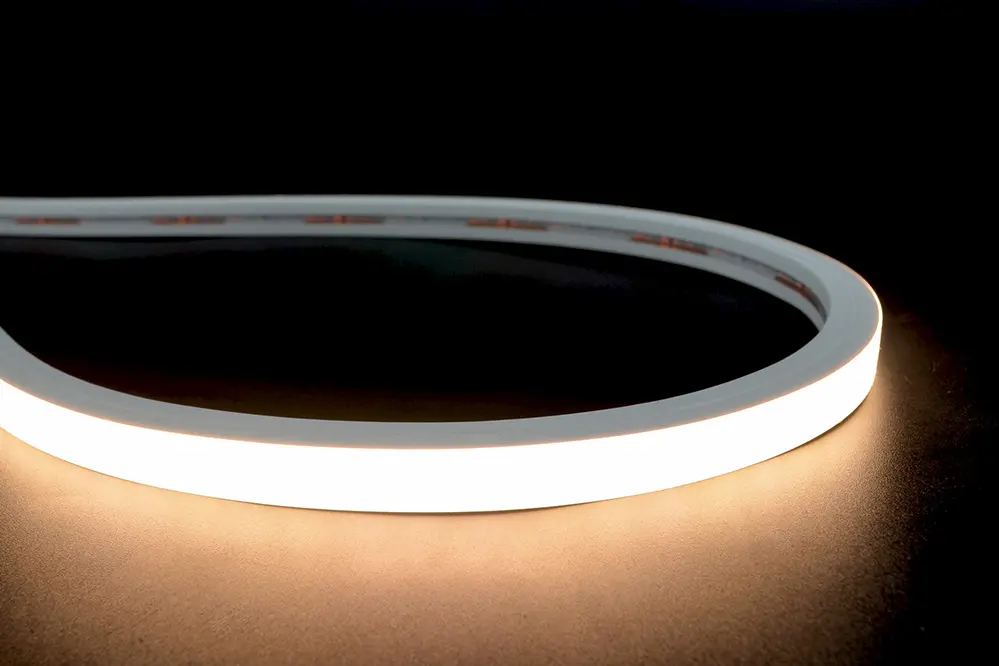
• LED neon flex encapsulates LEDs within a diffused silicone or PVC housing to emulate the classic neon glow—without glass, gas, or high voltage. It’s perfect for signage, outlines, contours, and outdoor architectural accents. See purpose-built formats like LED neon flex.
Key Features to Look For
• Brightness and density:
▪ Higher LED density minimizes hot spots and improves uniformity—especially in visible applications. Consider a High Density LED strip when you need very smooth illumination with minimal dotting.
• Color quality:
▪ Look for high CRI (90+) for retail, hospitality, and residential settings where color fidelity matters.
• CCT and color control:
▪ Static white, tunable white (CCT adjustable), RGB, RGBW, and pixel-addressable options support branding and mood lighting.
• Protection and durability:
▪ Choose the right IP rating for damp or wet locations, UV resistance for outdoors, and robust extrusion for impact-heavy environments.
• Bending direction and geometry:
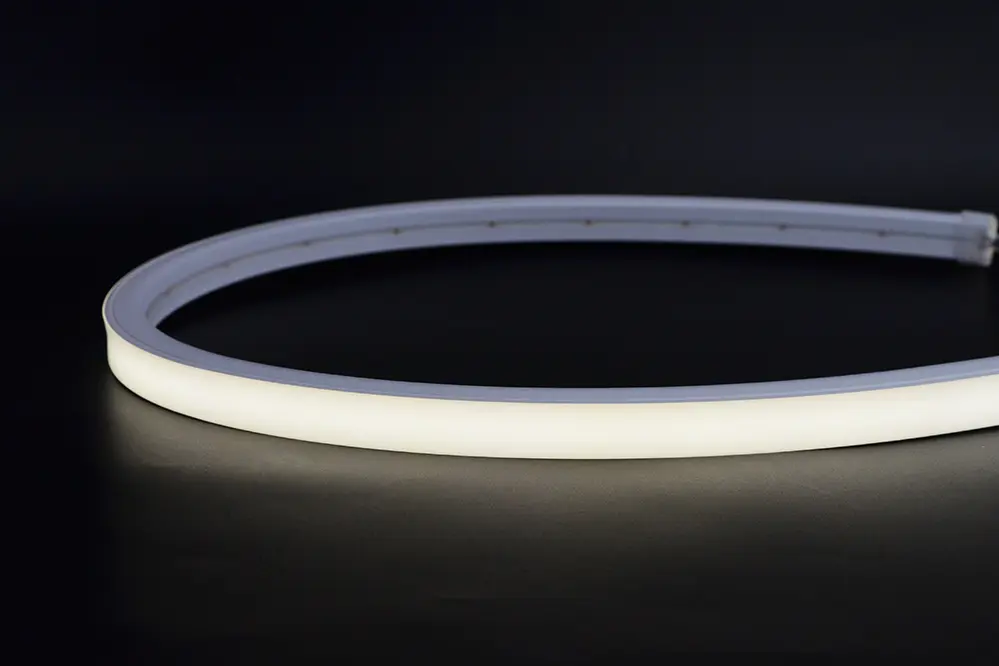
▪ Top-bend neon flex bends on the vertical plane, ideal for letter strokes and façade outlines.
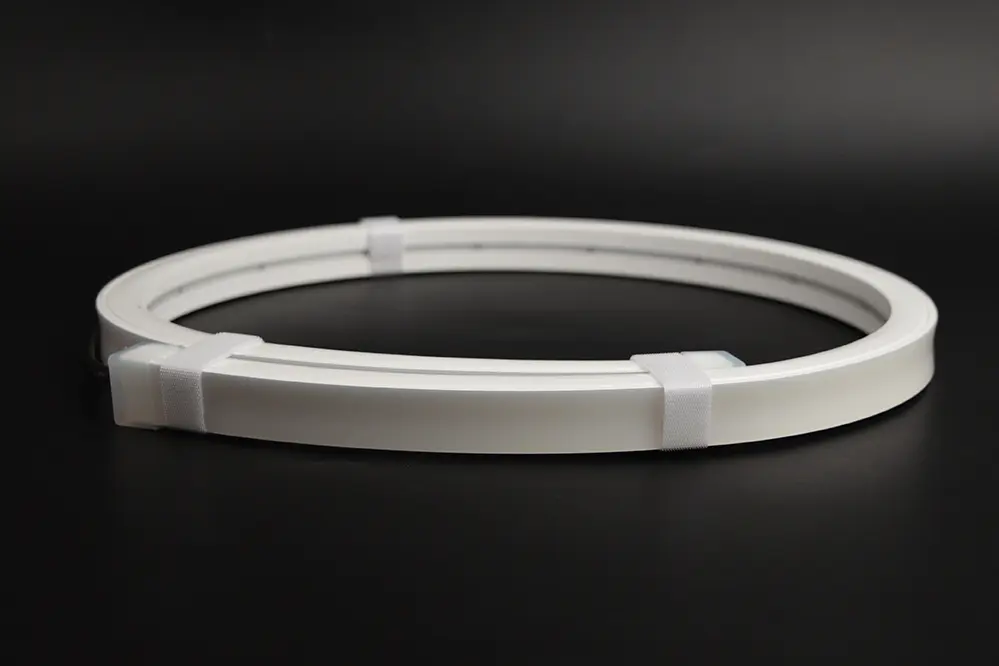
▪ Side-bend neon flex bends horizontally for contour lines and perimeter designs.
▪ 360-degree neon flex emits light in all directions for sculptural and pendant-style effects.
Application Playbook
1. Residential
• Kitchen under-cabinet and toe-kick lighting with COB strips to eliminate diode dots
• Bedroom coves and headboard backlighting with high-density strips for soft, even glow
• Stair treads and hallway guides with low-glare, dimmable profiles
2. Retail and Hospitality
• Shelf edge and display case lighting with high CRI strips to make merchandise pop
• Bar fronts and back bars with RGBW for dynamic ambience
• Wayfinding and brand accents using side-bend neon flex for curves and logos
3. Architecture and Facades
• Skyline outlines and cornices using top-bend neon flex for crisp lines
• Contour tracing around canopies and awnings with side-bend neon flex
• Suspended sculptures and art features with 360-degree neon flex
4. Signage and Experiential
• Indoor/outdoor channel letters using top-bend neon flex with consistent diffusion
• Immersive installations where 360-degree neon flex creates volumetric light forms
Design Tips for Flawless Results
• Prioritize uniformity:
▪ Use high-density or COB strips where the light source is visible or close to reflective surfaces. The continuous phosphor layer in COB delivers virtually spot-free results.
• Mind your optics and diffusers:
▪ Pair strips with proper profiles and diffusers to control glare and soften output, especially at eye level.
• Power and control planning:
▪ Calculate total wattage with a 15–20% headroom on drivers. For long runs, plan injection points to prevent voltage drop and color shift.
• Dimming and scenes:
▪ Use PWM dimmers compatible with your driver. For tunable white or RGBW, invest in quality controllers and, if needed, DMX/DALI gateways for centralized control.
• Thermal management:
▪ Even efficient LEDs produce heat. Use aluminum channels where appropriate to extend lifespan and maintain color stability.
• Bending constraints:
▪ Respect minimum bend radius—particularly for neon flex—to avoid internal damage and maintain diffusion quality.
Product Shortlist to Explore
• For versatile linear lighting:
▪ LED flexible strip — broad selection for general and accent applications
▪ COB LED strip — dotless illumination for premium interiors
• For neon-style diffusion and shapes:
▪ LED neon flex — core category for signage and contours
▪ Topology-specific options:
◦ Top bend (vertical plane) for letters and outlines
◦ Side bend (horizontal plane) for border runs around curves
◦ 360-degree for omnidirectional effects and light sculptures
Note: If your project requires advanced bending styles, look into Top Bend, Side Bend, and 360-degree formats from the same manufacturer to match the geometry and visual effect precisely.
Installation Essentials
• Surface prep: Clean, dry, and flat surfaces ensure proper adhesion. Use mechanical fasteners or channels where longevity is critical.
• Cut points: Only cut at designated marks. Seal ends properly (especially outdoors) to maintain IP rating.
• Connectors vs. soldering: Factory connectors are convenient; soldering offers reliability for custom lengths. Always strain relief your connections.
• Driver placement: Keep drivers accessible; avoid hot zones. Verify input voltage (12V, 24V, or 48V) to match the strip specification.
• Compliance: Check local electrical codes and use listed drivers and components for safety and insurance compliance.
Sourcing from a Trusted Manufacturer
When consistency and support matter, it pays to work with a specialist. Consider partnering with a seasoned supplier like Unitop (China) Co., Limited for deep category expertise across LED strips and neon flex. Their portfolio spans mainstream and advanced formats—from entry-level linear to high-density and COB-grade solutions—supported by documentation and application guidance. For project inquiries or custom requirements, reach out via their Contact page.
Quick Spec Checklist Before You Buy
• Output: Lumens per meter and LED density
• Color: CCT, CRI, and any RGB/RGBW needs
• Power: Voltage, total wattage, and driver headroom
• Control: Dimming protocol and scene integration
• Environment: IP rating, UV resistance, operating temperature
• Mechanics: Bend direction, minimum radius, profile/channel compatibility
• Compliance: Listings and warranty
Final Thoughts
Whether you’re lighting a boutique, shaping a neon-style artpiece, or refining residential ambience, LED strips and neon flex provide precision, efficiency, and design freedom. Start with the right category—like a high uniformity COB LED strip for visible interiors or a robust LED neon flex for outdoor contours—and match it to your bending geometry and control needs. For reliable sourcing and support, explore Unitop (China) Co., Limited and connect with their team via Contact.
























Sign in to leave a comment.