
Hard water stains plague households across the country, leaving unsightly marks on fixtures, glassware, and surfaces. These stubborn deposits form when mineral-rich water evaporates, leaving behind calcium and magnesium residue. The challenge with hard water stains lies in their composition - they're not typical dirt or grime but rather mineral deposits that require specific approaches for effective removal.
How Hard Water Stains Develop in Your Home
Hard water contains dissolved minerals, primarily calcium and magnesium. When this water evaporates on surfaces, it leaves behind these minerals in the form of white, chalky deposits. Over time, these deposits build up, becoming increasingly difficult to remove. Common problem areas include shower doors, faucets, toilet bowls, and kitchen appliances where water frequently sits or splashes.
The Science Behind Hard Water Stain Removal
Effective hard water stain remover relies on chemistry. Acidic solutions work best because they dissolve the alkaline mineral deposits. The strength of the acid determines how quickly and effectively it breaks down the stains. However, balance is crucial - too strong an acid can damage surfaces, while too weak may prove ineffective against stubborn buildup.
Natural Solutions for Hard Water Stain Removal
Vinegar: The Classic Hard Water Stain Fighter
White vinegar's acetic acid makes it surprisingly effective against hard water stains. For moderate stains, simply soaking a cloth in undiluted white vinegar and applying it to the affected area often does the trick. Let the vinegar sit for 15-30 minutes before scrubbing gently with a non-abrasive pad.
Lemon Juice: A Fresh Approach to Stain Removal
The citric acid in lemon juice works similarly to vinegar but with a more pleasant scent. Cut a lemon in half and rub it directly on stains, or mix lemon juice with baking soda to create a paste for tougher deposits. This method works particularly well on chrome fixtures and glass shower doors.
Commercial Stain Remover Sprays for Hard Water
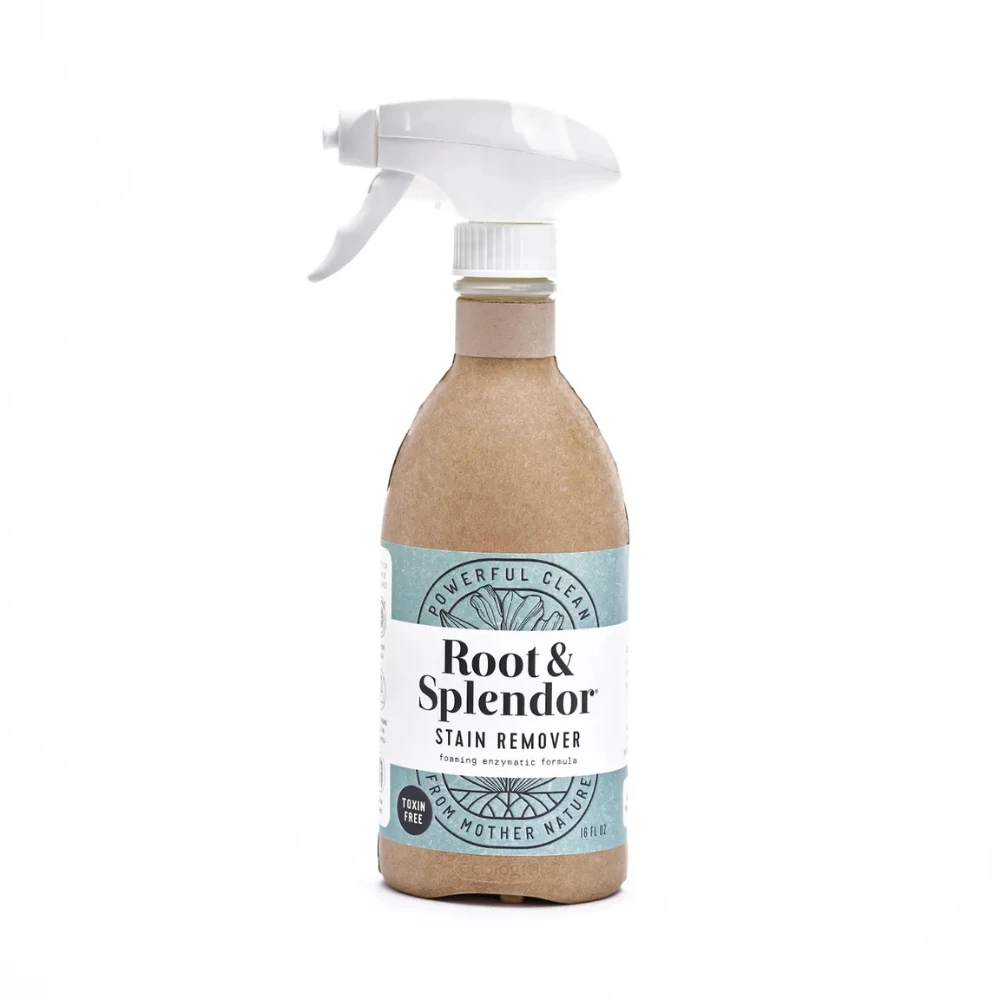
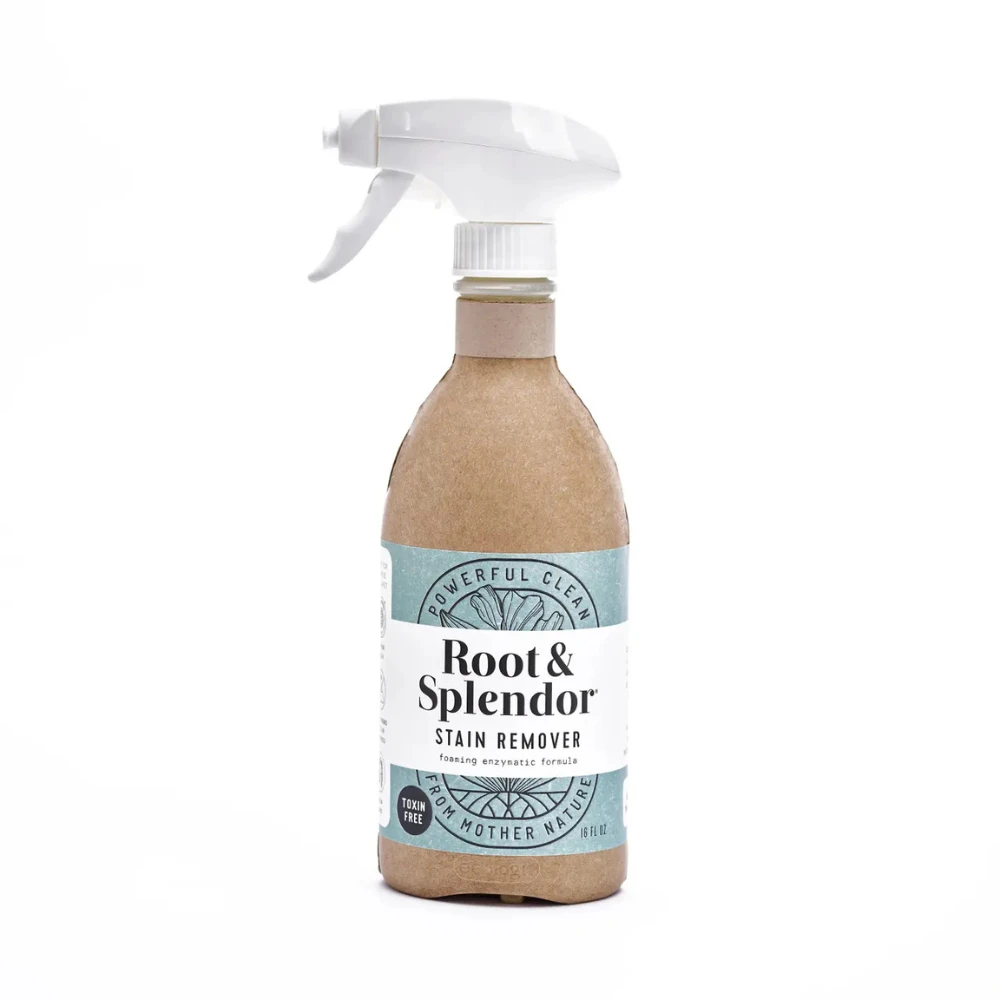
When natural solutions aren't enough, specially formulated stain remover spray offer more powerful options. These products typically contain stronger acids like phosphoric or hydrochloric acid in controlled concentrations that effectively dissolve minerals without damaging most surfaces.
Choosing the Right Commercial Stain Remover
Look for products specifically labeled for hard water stain removal. Quality options will indicate which surfaces they're safe for and provide clear usage instructions. Many modern formulations also include surfactants that help prevent future mineral buildup.
Proper Application of Stain Remover Sprays
For best results with commercial products:
- Always test in an inconspicuous area first
- Apply to dry surfaces for maximum effectiveness
- Allow the recommended dwell time before wiping
- Rinse thoroughly after treatment
- Use proper ventilation when applying
Preventing Hard Water Stains Before They Form
Regular Maintenance Strategies
Consistent cleaning prevents heavy buildup that becomes difficult to remove. Wiping down wet surfaces after use, especially in bathrooms, significantly reduces stain formation. Installing water softeners or filtration systems can address the root cause by reducing mineral content in your water supply.
Protective Measures for Vulnerable Surfaces
Applying protective coatings to glass shower doors and other frequently affected areas creates a barrier that makes stain removal easier. Many car waxes or specialized glass treatments work well for this purpose, causing water to bead up and dry without leaving marks.
Safety Considerations When Removing Hard Water Stains
Protecting Yourself During Cleaning
Always wear gloves when working with acidic cleaners, whether natural or commercial. Eye protection is advisable when using spray products, and good ventilation is essential, especially in small bathrooms or enclosed spaces.
Surface Compatibility and Care
Some surfaces require special attention:
- Natural stone (marble, granite) can etch from acidic cleaners
- Painted surfaces may discolor
- Certain metals can tarnish
- When in doubt, consult manufacturer guidelines or test in an inconspicuous spot first.
Tackling Specific Hard Water Stain Challenges
Shower Doors and Glass Surfaces
Glass shows hard water stains particularly clearly. For heavy buildup, consider using a razor blade at a 45-degree angle after applying cleaner to scrape off stubborn deposits safely. Specialized glass cleaning tools can help maintain clarity between deep cleanings.
Faucets and Chrome Fixtures
Chrome requires gentle care to avoid scratching. Microfiber cloths with vinegar or commercial chrome cleaners work well. Always wipe with the grain of the metal to maintain the finish.
Toilet Bowl Rings
Hard water stains in toilets often combine with other deposits. Pumice stones designed for toilet cleaning can remove stubborn rings without scratching porcelain when used wet with gentle pressure.
When to Call in Professional Help
For severe, long-neglected hard water stains or when dealing with delicate surfaces, professional cleaning services may be warranted. They have access to stronger, commercial-grade products and the expertise to use them safely on various materials.
The Environmental Impact of Hard Water Stain Removal
Eco-Friendly Removal Options
Many conventional stain removers contain harsh chemicals. Natural alternatives like vinegar and lemon juice offer effective, biodegradable options. When using commercial products, look for environmentally friendly formulations that minimize ecological impact.
Reducing Chemical Use Through Prevention
By addressing hard water at its source with water softeners or through consistent maintenance cleaning, you can significantly reduce the need for strong chemical cleaners, benefiting both your home environment and the planet.
Cost Comparison of Hard Water Stain Solutions
DIY Versus Commercial Products
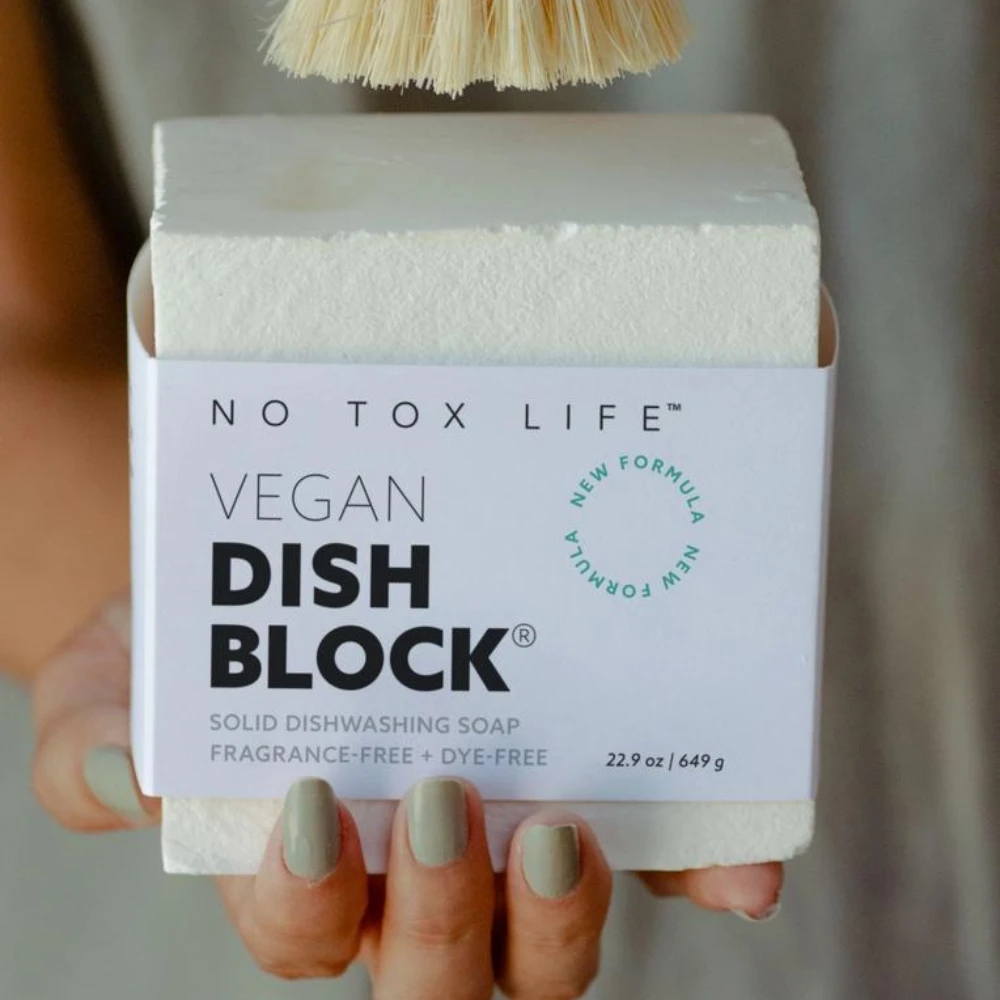
While homemade solutions cost pennies per use, they may require more elbow grease. Commercial sprays offer convenience but at a higher price point. Consider your time, the severity of stains, and surface types when deciding which approach makes the most sense for your situation.
Long-Term Savings Through Prevention
Investing in water softening systems or protective treatments may have higher upfront costs but can save significantly on cleaning products and time over the years while protecting your fixtures and appliances from mineral damage.
Conclusion: Maintaining a Stain-Free Home
Hard water stains don't have to be a permanent fixture in your home. Whether you prefer natural solutions like vinegar or rely on specialized stain remover sprays, consistent care and the right techniques can keep your surfaces looking their best. For those looking to reduce their environmental impact while maintaining a clean home, Mission Refill offers eco-friendly cleaning solutions that align with sustainable living values.
Remember that prevention is always easier than removal when it comes to hard water stains. Establishing a regular cleaning routine and considering water treatment options can save you time and effort in the long run. With the right knowledge and tools, you can win the battle against hard water stains and enjoy cleaner, brighter surfaces throughout your home.

























Sign in to leave a comment.