Introduction
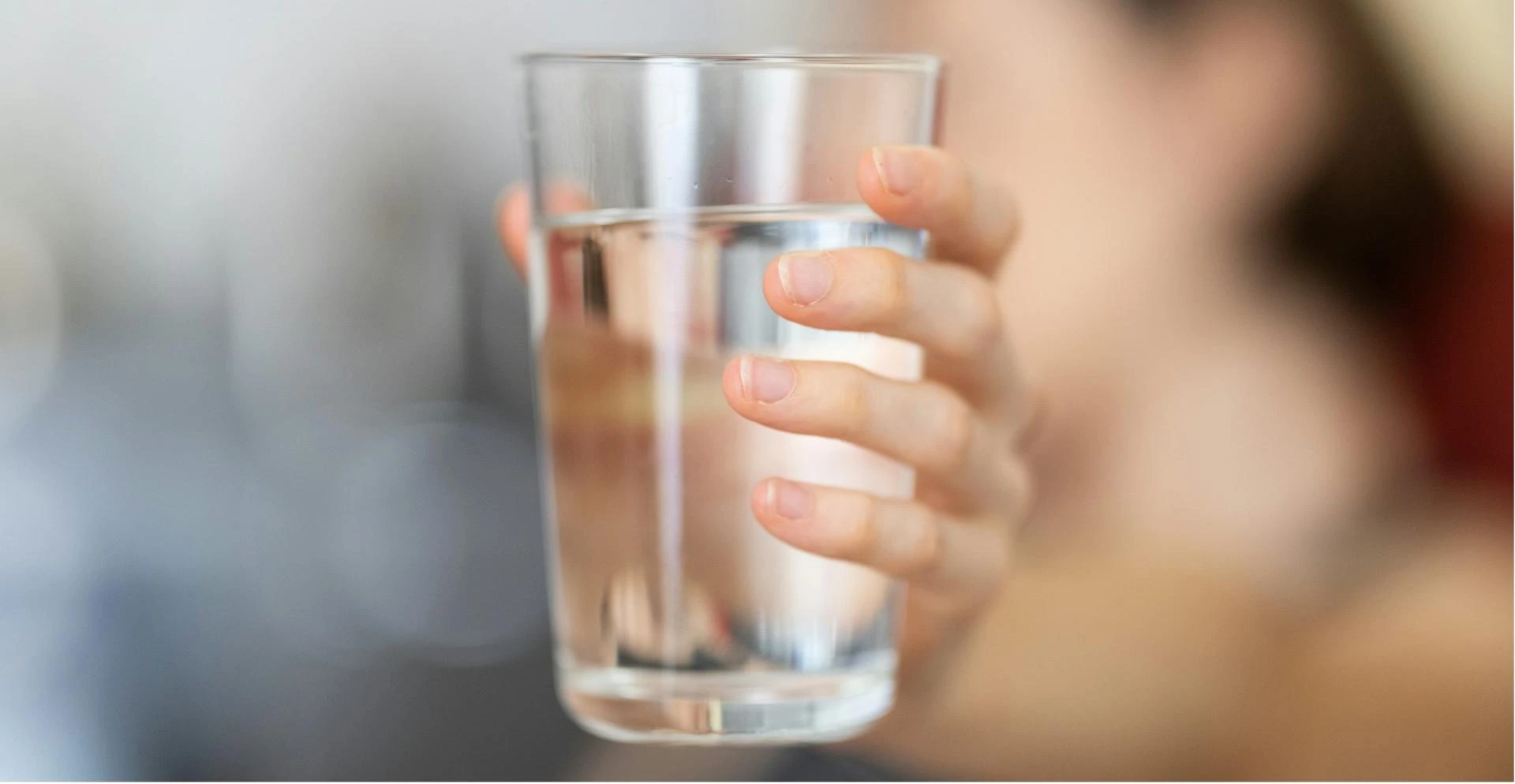
Every time you drink a glass of tap water, take a shower, or wash your food, you are connecting to a vast, invisible system that protects your health. This system relies on specialized water treatment chemicals.
They are the essential tools that transform raw, potentially dangerous water into the safe resource we depend on daily. This blog explains how these chemicals work quietly to guard you and your family’s well-being.
The First Defense: Fighting Invisible Pathogens
The most direct health threat in water comes from microorganisms. Bacteria like E. coli, viruses, and parasites can cause serious illnesses such as cholera and dysentery.
- How Chemicals Help: Disinfectants like chlorine and chloramine are added to water. They are powerful germ killers. They attack and destroy harmful pathogens, making the water biologically safe.
- Continuous Protection: A key benefit is the "disinfectant residual." A tiny, safe amount of disinfectant stays in the water as it travels through pipes to your home. This provides ongoing protection against recontamination, ensuring safety from the treatment plant to your tap.
Beyond Germs: Removing Harmful Contaminants
Health risks in water are not only from living germs. Chemical and physical pollutants are also a concern.
- Clearing the Cloudiness: Muddy or cloudy water can hide pathogens and interfere with disinfection. Coagulants like alum and PAC clump tiny dirt and organic particles together. These clumps (called "flocs") are then easily filtered out. This makes the water clear and much safer.
- Trapping Toxins: Activated carbon is like a super sponge. It traps dissolved chemicals, pesticides, and bad tastes or odors, removing them from your water.
The Silent Guardian: pH Control and Your Pipes
The acidity or alkalinity of water (its pH) is crucial for a hidden reason: it affects your pipes.
- The Problem: If water is too acidic, it can slowly dissolve metal from household plumbing. This can leach dangerous metals like lead and copper into your drinking water.
- The Chemical Solution: Plants use pH adjusters like lime. They carefully balance the water’s pH to a level that is not corrosive. This simple step creates a protective coating inside pipes, forming a vital barrier that stops toxic metals from reaching your glass.
Safety and Science: Precision in Every Drop
A common question is, "Are the chemicals themselves safe?" The answer lies in strict science and regulation.
- Global Standards: Agencies like the WHO set very strict safety limits for all chemicals in drinking water.
- The "Minimum Dose" Rule: Treatment plants do not use more than necessary. They continuously monitor and add only the exact amount of chemical required to make the water safe—no more, no less. The goal is perfect protection.
Conclusion
The connection between water treatment chemistry and public health is profound. These chemicals form a multi-layered shield. They remove pathogens, clear pollutants, and protect infrastructure. This complex, science-driven process happens unseen, 24 hours a day. It prevents disease outbreaks and safeguards communities.
The next time you enjoy clean water, remember the sophisticated chemical guardians that make it possible. They are a foundational part of modern, healthy living.




























Sign in to leave a comment.