
Surfactants are everywhere. They are in your soap, your shampoo, and your laundry detergent. The word "surfactant" means "surface-active agent." These clever chemicals are the reason oil and water can mix. This blog explains, in simple terms, what surfactants are, how they work, and where you find them.
What is a Surfactant?
A surfactant is a special molecule. It has two distinct parts:
- A water-loving (hydrophilic) head
- A water-hating, oil-loving (hydrophobic) tail
This dual structure lets it interact with both water and oil. It acts as a bridge between them.
How Do Surfactants Work?
Surfactants work by changing how liquids behave at surfaces. Their main jobs are:
1. Lowering Surface Tension
Water molecules stick tightly together. This creates "surface tension." Surfactants weaken this tension. This allows water to spread and wet surfaces easily. It helps cleaning solutions soak into fabrics or skin.
2. Emulsifying (Mixing Oil and Water)
Oil and water do not mix. Surfactants make it possible. Their oil-loving tails grab onto grease. Their water-loving heads face the water. This forms tiny droplets of oil surrounded by surfactant molecules. The oil is now suspended in the water and can be rinsed away.
3. Forming Micelles
When you add enough surfactant to water, the molecules form balls called micelles. The oil-loving tails hide in the center. The water-loving heads face outward. Grease and dirt get trapped inside these micelles. This is the key action of soap.
Main Types of Surfactants
We group surfactants by the charge on their water-loving head.
- Anionic Surfactants: Have a negative charge. They are great at cleaning and creating foam. Example: Sodium Lauryl Sulfate (SLS) in shampoos.
- Cationic Surfactants: Have a positive charge. They are often used as fabric softeners and disinfectants. They bond to negatively charged surfaces like hair or bacteria.
- Nonionic Surfactants: Have no charge. They are very gentle and work well in hard water. Common in laundry detergents and some cosmetics.
- Amphoteric Surfactants: Can have a positive or negative charge. They are very mild. You find them in baby shampoos and sensitive skin products.
Where Are Surfactants Used?
Surfactants are vital in many industries.
1. Household and Industrial Cleaning
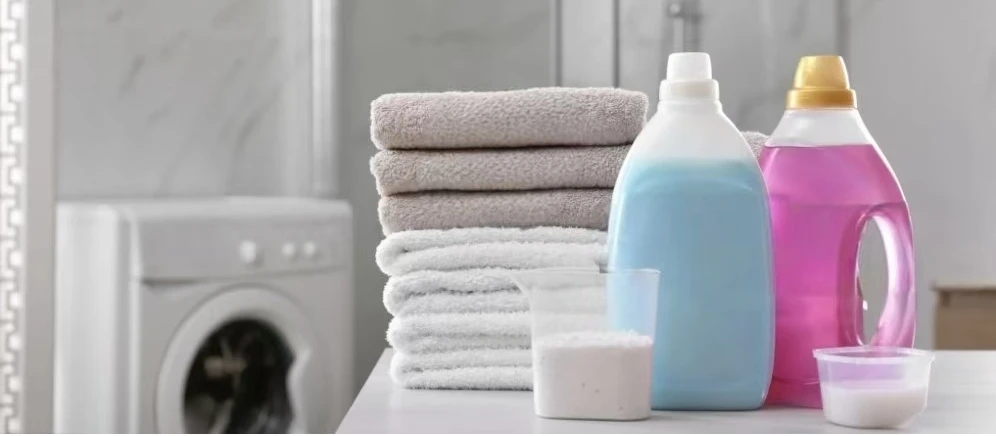
They are the main ingredient in soaps, detergents, and dish liquids. They lift and remove dirt, grease, and stains.
2. Personal Care Products
They create lather in shampoos, body washes, and shaving cream. They also help mix oils and waters in lotions and creams.
3. Food Industry
They act as emulsifiers in foods like mayonnaise, ice cream, and baked goods. They help mix ingredients for a smooth texture.
4. Agriculture
They are added to pesticides and herbicides. This helps the spray spread evenly and stick to plant leaves.
5. Many Other Industries
They are used in textile manufacturing, oil recovery, paint, and construction.
Conclusion
Surfactants are fundamental to modern life. Their unique structure solves a simple but universal problem: making oil and water work together. From keeping us clean and healthy to making our food and clothes better, their impact is huge. The next time you see foam or mix a salad dressing, remember the tiny, powerful surfactant molecules making it all possible.




























Sign in to leave a comment.