Have you ever wondered how soap prevents ugly scum in hard water or how a blood transfusion keeps iron soluble? The answer lies in a fascinating class of chemicals called chelating agents.
Often called "sequestrants," these compounds act like microscopic claws. They grab and tightly hold onto metal ions floating in a solution. This simple, powerful action solves countless problems in industries from water treatment to medicine.
This blog explains what chelating agents are, how they work, and why they are so indispensable.
What is a Chelating Agent and How Does It Work?
The word "chelate" comes from the Greek word for "claw." This perfectly describes its function. A chelating agent is a molecule that can form multiple bonds with a single metal ion (like calcium, magnesium, or iron), encircling it in a stable, ring-like structure.
- The Problem: Free metal ions in water or a process can cause trouble. They form scale, create unwanted colors, catalyze damaging reactions, or make products unstable.
- The Solution: The chelating agent "sequesters" the metal ion. Once clutched in the chelator's grasp, the metal ion is effectively deactivated. It can no longer react as it normally would. It is held in solution, invisible and harmless, until it is safely removed.
Common Types of Chelating Agents
Different chelating agents have different strengths, specialties, and environmental profiles.
1. Traditional Synthetic Chelators
- EDTA (Ethylenediaminetetraacetic Acid): The classic, versatile chelator. It binds strongly to a wide range of metal ions. Used in cleaning products, textiles, and to stabilize foods and cosmetics.
- Phosphonates (e.g., ATMP, HEDP, DTPMP): These are powerhouse scale inhibitors. They not only chelate metals but also disrupt crystal growth. They are the workhorses for preventing limescale in boilers, cooling water, and reverse osmosis systems.
2. Next-Generation & "Greener" Chelators
- GLDA (Tetrasodium Glutamate Diacetate): A biodegradable chelator made from natural, renewable feedstocks. It offers strong performance with a much improved environmental profile, making it a popular choice for eco-friendly cleaning and personal care products.
- Citric Acid: A weak, naturally occurring chelator. Excellent for mild applications, removing metal stains, and in food formulations. It is readily biodegradable and safe.
Key Applications Across Industries
1. Water Treatment
This is a major application. Chelating agents are critical for:
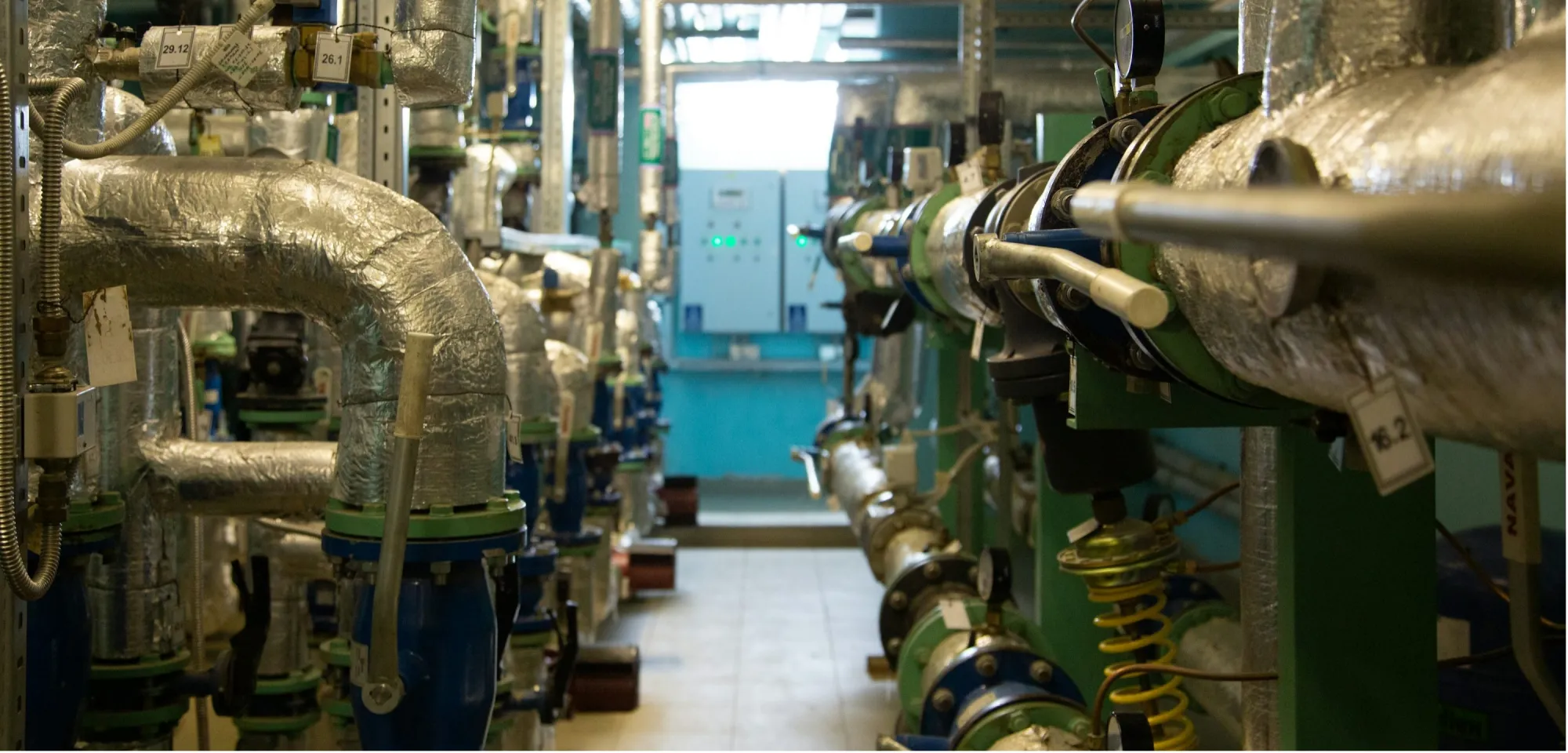
- Scale Inhibition: Phosphonates like HEDP bind calcium and magnesium, preventing them from forming hard, insulating scale on pipes and heat exchangers.
- Corrosion Control: By sequestering oxygen-sensitive metals like iron, they help prevent corrosive reactions.
- Boiler Water Conditioning: They keep metal ions soluble, preventing sludge and deposit formation.
2. Household & Industrial Cleaning
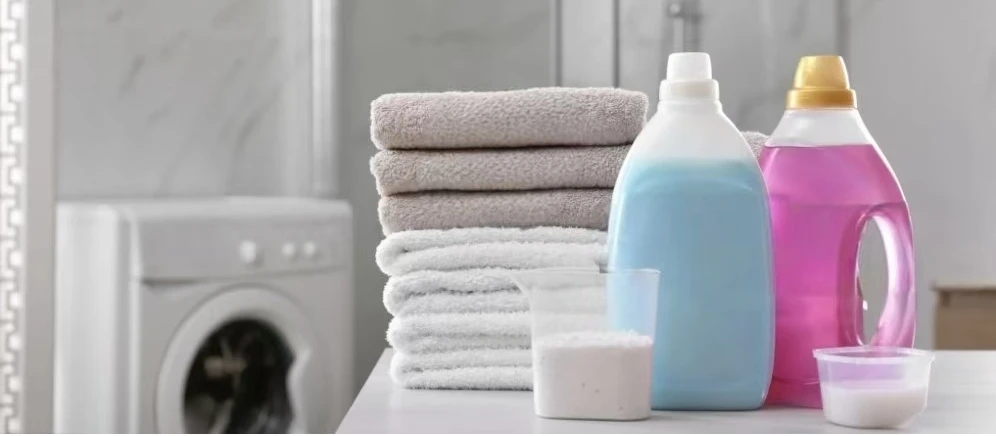
- Soaps & Detergents: They "soften" water by binding calcium and magnesium ions. This allows soaps to lather freely and prevents bathtub scum or fabric graying.
- Stain Removal: Specific chelators target the metal in stains (e.g., iron in rust, copper in grass stains), breaking the stain down for easy removal.
3. Personal Care & Cosmetics
- Stability: They bind trace metals in formulations that can cause creams, shampoos, or perfumes to spoil, discolor, or lose effectiveness.
- Preservation: By sequestering metals that bacteria need to grow, they can act as preservative boosters.
4. Food & Beverage Industry
- Stabilizer & Color Protector: They prevent metal-catalized oxidation that causes foods to spoil, change color, or lose nutritional value (e.g., in canned goods, dressings, soft drinks).
5. Other Applications
- Agriculture: In micronutrient fertilizers, they keep essential metals like iron soluble and available for plant roots.
- Pulp & Paper: Used in bleaching processes to deactivate metals that would otherwise break down the bleaching chemicals.
- Medicine: Used in treatments for heavy metal poisoning (e.g., lead) to bind and remove toxins from the body.
Conclusion
Chelating agents are the ultimate problem-solvers for issues caused by metal ions. Their ability to form a tight, selective grip on specific metals makes them tools of remarkable precision and versatility.
From ensuring your appliances run scale-free to keeping your food fresh and your skin cream stable, they work silently behind the scenes.
As industries move towards more sustainable practices, the development and adoption of effective, biodegradable chelators like GLDA will continue to grow, ensuring this essential chemistry aligns with environmental responsibility.



























Sign in to leave a comment.