

What is an MBA in HR management?
An MBA with a specialization in human resource management is no longer just about hiring employees or managing payroll. Today, it is about shaping the future of organizations through a people-centric strategy. If you think HR is only about paperwork and interviews, you are far from up to date. By 2026, HR professionals will be actively involved in management decisions, strategic planning, and organizational growth.
The program combines strong business fundamentals with HR-specific skills, including talent acquisition, organizational behavior, performance management, and labor laws. What makes this field exciting is the shift from operational work to strategic leadership. HR professionals now sit at the decision-making table, influencing company culture, productivity, and long-term success.
Another important trend is that HR is becoming increasingly tech-driven and data-oriented. From employee analytics to AI-powered recruitment systems, HR is evolving rapidly. So, if you enjoy working with people and also want to contribute to business strategy, this specialization could be the perfect fit for you.
Core Subjects You Will Study
During your MBA in HR, you will not just study theoretical concepts—you will understand how organizations actually function. Subjects such as human resource planning, compensation management, industrial relations, and organizational development form the foundation of the course.
In addition, modern MBA programs now include subjects like people analytics, HR technology, and employee experience design. This is because companies expect HR professionals to understand both human behavior and data-driven decision-making.
Think of it this way: earlier, HR was about “managing people,” but today, it is about optimizing human capital as a valuable business asset.
Skills You Will Develop
This program helps you become a well-rounded professional. You will develop:
- Strong communication and negotiation skills
- Leadership and decision-making abilities
- Emotional intelligence and conflict resolution skills
- Analytical thinking using HR data
Companies today are not just looking for “friendly HR professionals.” They want strategic thinkers who can align workforce capabilities with business goals.
Why the MBA in HR is Gaining Popularity in 2026
Transition from Administrative to Strategic Role
One of the main reasons behind the growing popularity of HR is its transformation. HR is no longer just a support function; it has become a key driver of business success. Organizations depend on HR teams to build strong workplace cultures, retain talent, and improve productivity.
Companies are investing heavily in areas like employee engagement, diversity, and workplace well-being, making HR one of the most critical departments.
Growing Demand Across Industries
From IT and healthcare to startups, every industry requires skilled HR professionals. The expansion of businesses and the rise of remote work have further increased the demand for HR experts.
According to recent trends, roles such as HR data analyst, talent acquisition specialist, and employee experience manager are in high demand.
Think about it—every organization hires people, but who manages them effectively? That is the role of HR.
Latest MBA & HR Job Market Trends (2026)
Placement Trends in India
The MBA job market in 2026 is shifting toward specialization and hybrid skill sets. Companies are no longer looking for generalists—they want professionals who understand both business and technology.
- Tier-1 colleges: ₹30–36 LPA average packages
- Tier-2 colleges: ₹18–27 LPA
- Tier-3 colleges: ₹6–12 LPA
This clearly shows that your choice of college plays a major role in your career success.
Emerging HR Roles
HR roles are becoming more dynamic and specialized. Some of the fastest-growing roles include:
- HR Business Partner
- People Analytics Specialist
- Diversity & Inclusion Manager
- Talent Development Head
These roles barely existed a decade ago, which shows how rapidly the HR field is evolving.
Salary Expectations After an MBA in HR
Freshers' Salary
If you are a fresher, you can expect a starting salary between ₹2.5 LPA and ₹7 LPA, depending on your college and skill set. Graduates from top institutes often receive significantly higher packages.
Experienced Professionals Salary
With experience, salary growth becomes quite impressive:
- Average HR Manager salary: ₹19.2 LPA
- Top professionals: ₹32 LPA+
- Leadership roles: ₹40–48 LPA+
Interestingly, only about 7% of professionals earn below ₹10 LPA, which indicates strong earning potential in this field.
Top Benefits of Choosing HR Specialization
Career Stability
Unlike some roles that fluctuate with market trends, HR remains consistently relevant. Every organization, regardless of size, needs HR professionals.
Leadership Opportunities
HR offers a clear path to leadership roles such as the following:
- HR Manager
- HR Director
- Chief Human Resource Officer (CHRO)
These positions play a direct role in shaping company strategy, making HR a powerful career option.
Challenges You Must Know Before Choosing HR
Slow Initial Growth
It is important to be realistic—HR may not offer very high salaries at the beginning compared to fields like finance or consulting. Initial growth can feel slower.
Competition and Skill Gap
As more students choose HR, competition is increasing. To stand out, you need additional certifications, internships, and practical experience.
HR vs Other MBA Specializations
| Factor | HR | Marketing | Finance |
| Work Type | People-focused | Customer-focused | Numbers-focused |
| Growth Speed | Moderate | Fast | Fast |
| Stress Level | Medium | High | High |
| Skill Requirement | Soft + Analytical | Creative + Analytical | Technical |
HR vs Marketing
If you enjoy creativity and sales, marketing might suit you better. However, if you prefer working with people and building teams, HR is the right choice.
HR vs Finance
Finance is more technical and numbers-driven, whereas HR focuses on people management and leadership.
Skills That Make You Successful in HR
Soft Skills
Communication, empathy, leadership, and negotiation are essential skills for success in HR.
Technical Skills
You also need:
- Knowledge of HR analytics tools
- Data interpretation skills
- Understanding of labor laws
- Familiarity with AI in recruitment
Modern HR is increasingly technology-driven, so these skills are crucial.
Best Colleges for MBA in HR in India
Tier-1 Colleges
Top institutes like IIMs and XLRI offer excellent HR programs with strong return on investment.
Emerging Colleges (Including IIRM Jaipur)
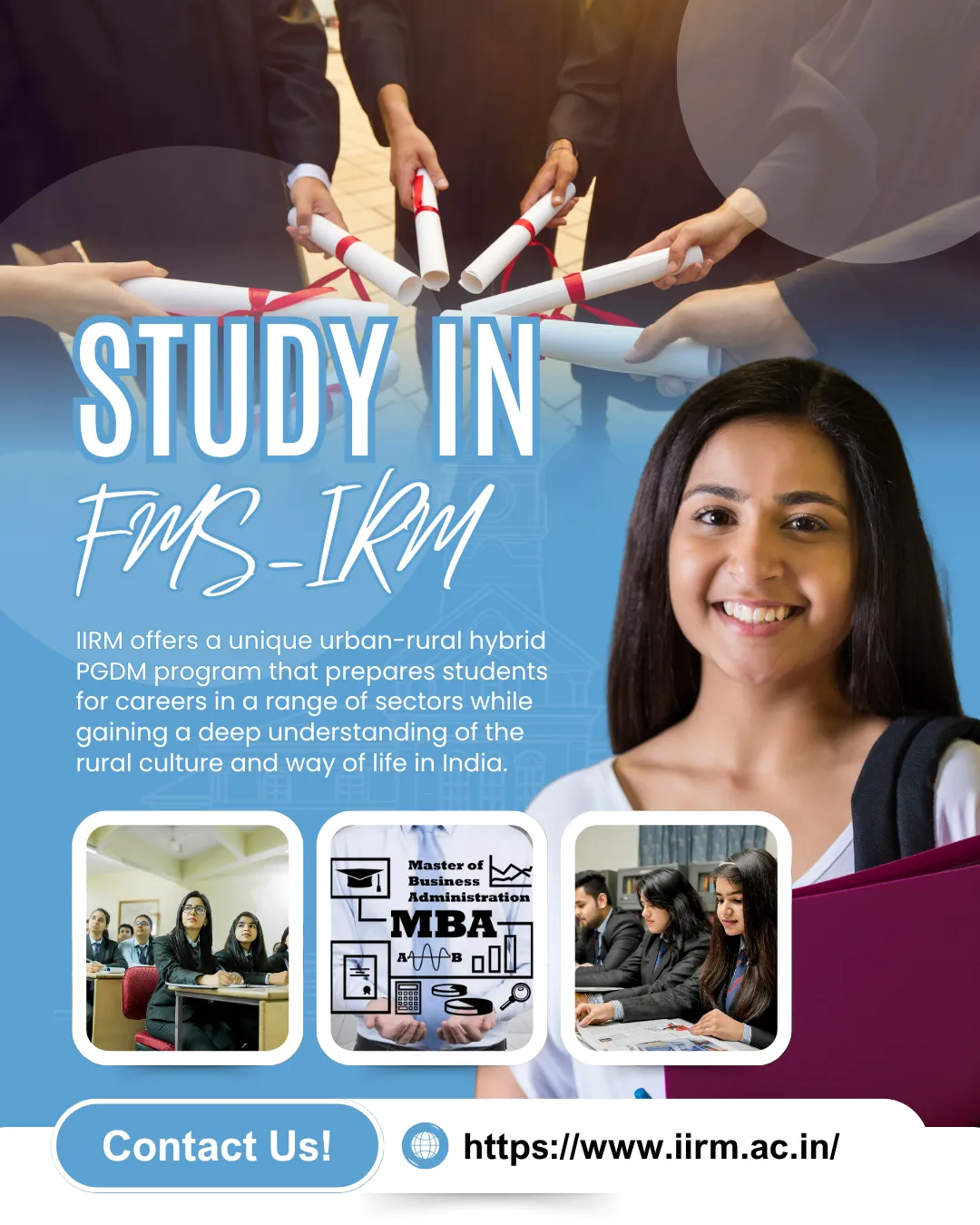
MBA colleges in Jaipur, such as IIRM Jaipur, are gaining popularity because they offer specialized programs focused on rural and human resource management. They offer strong placement support and valuable industry exposure.
How to Choose the Right MBA HR College
Choosing the right college is critical. Focus on:
- Placement records
- Industry exposure
- Faculty quality
- Internship opportunities
Do not just follow rankings—choose a college that aligns with your career goals.
Career Opportunities After an MBA in HR
After completing your MBA, you can explore roles such as the following:
- HR Manager
- Talent Acquisition Specialist
- HR Consultant
- Learning and Development Manager
HR offers diverse and flexible career paths, which is a major advantage.
Is an MBA in HR Worth It in 2026?
Yes—but only if you approach it strategically.
The HR field is growing, salaries are improving, and roles are becoming more impactful. However, your success depends on:
- Your college
- Your skills
- Your ability to adapt to changing trends
If you combine HR expertise with data, technology, and business strategy, you will stay ahead of the competition.
Conclusion
An MBA in HR management is no longer just a safe option—it is a smart and strategic career choice. The role of HR has transformed significantly, becoming a key driver of business success. With increasing demand, rising salaries, and strong leadership opportunities, HR offers a stable yet dynamic career path.
However, this field rewards those who go beyond the basics. If you are willing to learn, adapt, and develop both interpersonal and technical skills, HR can help you achieve long-term success.
FAQs
1. Is an MBA in HR a good career option in 2026?
Yes, HR is rapidly evolving with new roles and better salary opportunities.
2. What is the average salary after an MBA in HR?
Freshers typically earn ₹4–7 LPA, while experienced professionals can earn ₹19 LPA or more.
3. Does HR have good future scope?
Yes, HR is becoming more strategic and technology-driven, increasing its importance.
4. Which is better: HR or Marketing?
It depends on your interest—HR focuses on people, while marketing focuses on sales and creativity.
5. Can I earn a high salary in HR?
Yes, with experience and skills, senior HR professionals can earn ₹40 LPA or more.



























Sign in to leave a comment.