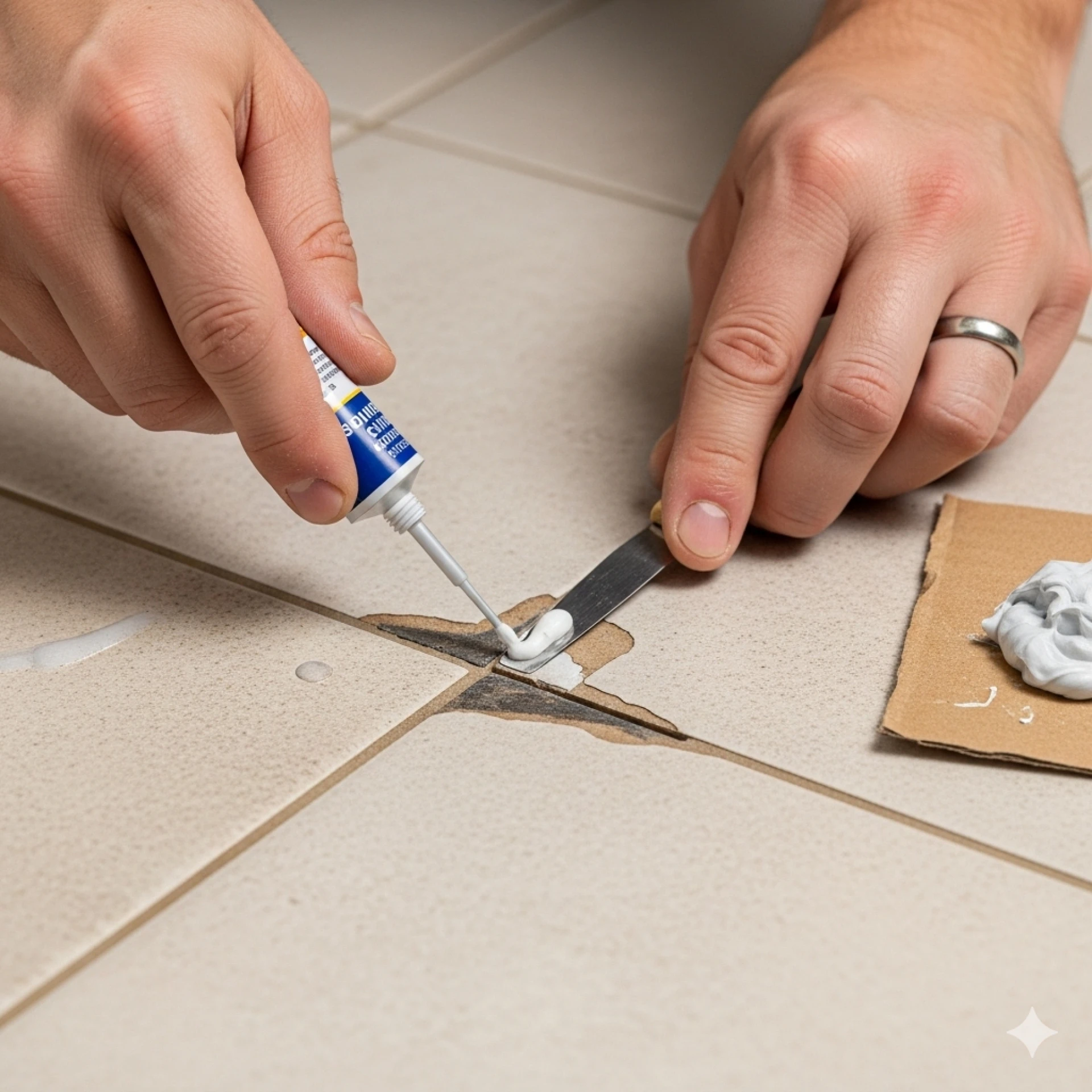

Tiles are one of the most durable and stylish flooring options, but even the strongest floors eventually show signs of wear. Cracks, chips, stains, or loose tiles can make a once-beautiful floor look tired and old. The good news? You don’t need to tear everything out and start from scratch. With the right tile repair techniques, you can bring your old floors back to life and restore their original charm.
This expert guide will show you why repair is often better than replacement, the most effective tile repair methods, and how to keep your floors looking brand-new for years to come.
Why Choose Repair Over Replacement?
Many homeowners think damaged tiles automatically mean replacement, but in most cases, repairs are the smarter choice. Here’s why:
- Cost savings: Repairing is significantly cheaper than retiling.
- Faster results: Repairs take hours instead of days.
- Less mess: No demolition, dust, or hauling old tiles away.
- Eco-friendly: Reduces waste and extends the life of your floors.
Common Tile Problems That Can Be Repaired
Not every tile issue needs a full replacement. Here are the most common problems you can fix yourself:
- Hairline cracks
- Chips and small holes
- Loose or hollow tiles
- Scratches
- Stained or discolored grout
- Dull or worn surfaces
Step-by-Step Guide to Repairing Cracked Tiles
One of the most frequent issues with old floors is cracked tiles. Here’s how to fix them:
- Clean the tile – Remove dirt and grease with a mild cleaner.
- Prepare the crack – Use a utility knife to slightly widen it so the filler bonds better.
- Apply epoxy filler – Mix a tile repair epoxy and press it into the crack.
- Match the color – Tint the epoxy with pigments to blend with your tile.
- Seal the surface – After curing, add a sealer to protect the repair.
This simple fix can make a crack nearly invisible and prevent further damage.
How to Reattach Loose or Hollow Tiles
If your tiles feel spongy or sound hollow when tapped, they may have lost adhesion. Instead of replacing them, you can reattach them with tile adhesive injection:
- Drill small holes in the grout around the tile.
- Inject adhesive beneath the tile.
- Press firmly and let it set.
- Fill the drill holes with new grout.
This restores stability without the need for full tile removal.
Fixing Chips and Small Holes
Small chips are common in high-traffic areas. Fortunately, they’re easy to repair:
- Clean the area thoroughly.
- Fill the chip with epoxy filler.
- Smooth the surface with a putty knife.
- Polish once cured for a seamless finish.
Refreshing Old or Stained Grout
Sometimes it’s not the tile that looks old—it’s the grout. Stained or cracked grout can make an entire floor look dated. Here’s how to refresh it:
- Scrub with a baking soda and vinegar mix to clean.
- Use a grout pen to restore faded color.
- Remove damaged grout with a grout saw and reapply fresh grout.
- Seal the grout to protect against future stains.
Restoring Shine to Dull Tiles
Old tiles often lose their shine over time. To restore the sparkle:
- Use a tile polish or floor wax.
- Apply a penetrating sealer for long-term protection.
- Buff with a microfiber cloth for extra shine.
Tools You’ll Need for DIY Tile Repair
Most tile repairs require only a few tools and supplies:
- Epoxy tile repair kit (with pigments)
- Putty knife or scraper
- Utility knife
- Tile adhesive injection kit
- Grout pen or stain
- Sealer or polish
- Cleaning supplies
How Much Does Tile Repair Cost?
Tile repair is surprisingly affordable compared to replacement:
- DIY repair kit: $15–$50
- Professional repair service: $75–$200 per tile
- Tile replacement: $500+ for small areas
Repairing your floor can save you hundreds—or even thousands—of dollars.
When to Call a Professional
While many tile repairs are DIY-friendly, some situations call for expert help:
- Large sections of damaged or loose tiles
- Water damage beneath the floor
- Complex patterns or specialty tiles
- If you’re unsure about matching colors perfectly
Preventing Future Tile Damage
To keep your restored floors looking great:
- Use mats in high-traffic areas.
- Add felt pads under furniture legs.
- Avoid dragging heavy items across the floor.
- Reseal grout and tiles every 1–2 years.
- Maintain consistent indoor humidity.
Conclusion
You don’t need to replace your entire floor to bring back the beauty of your tiles. With simple repair techniques such as epoxy fillers, adhesive injection, grout refreshers, and polish, you can give old floors new life without the high cost of replacement. For larger projects or professional help, turn to trusted experts like Salem Tile Setters.
Tile repair is fast, budget-friendly, and environmentally conscious. So the next time your floor shows signs of wear, skip the expensive renovation and try these expert repair methods first. Your home—and your wallet—will thank you.
























Sign in to leave a comment.