
Choosing the right web designer can be the difference between a website that simply “exists” and a website that actually brings clients, builds trust, and grows your business. Today, your website is your digital storefront. It is where customers judge your credibility, explore your brand, and decide whether they want to do business with you.
But with so many web designer available, how do you select the one who is truly right for your project?
Here are the most important tips to help you choose the best web designer for your business.
1. Look at Their Previous Work (Portfolio Matters the Most)
A designer’s portfolio shows you everything you need to know:
- Their design style
- Their attention to detail
- Their understanding of modern UI
- Whether they can design websites similar to what you want
- Their ability to balance creativity with usability
What you should check:
✔ Clean typography
✔ Strong visual hierarchy
✔ Creative layouts
✔ Mobile-friendly responsiveness
✔ Real client projects, not just concept designs
A good designer’s portfolio instantly gives you confidence.
2. Check Their Understanding of User Experience (UX)
A website must be beautiful and functional.
So, the best designers know UX principles such as:
- Simple and logical navigation
- Easy-to-follow user flow
- Clear call-to-action buttons
- Fast-loading layouts
- Clean information structure
If a designer prioritizes user experience, your website will naturally convert better.
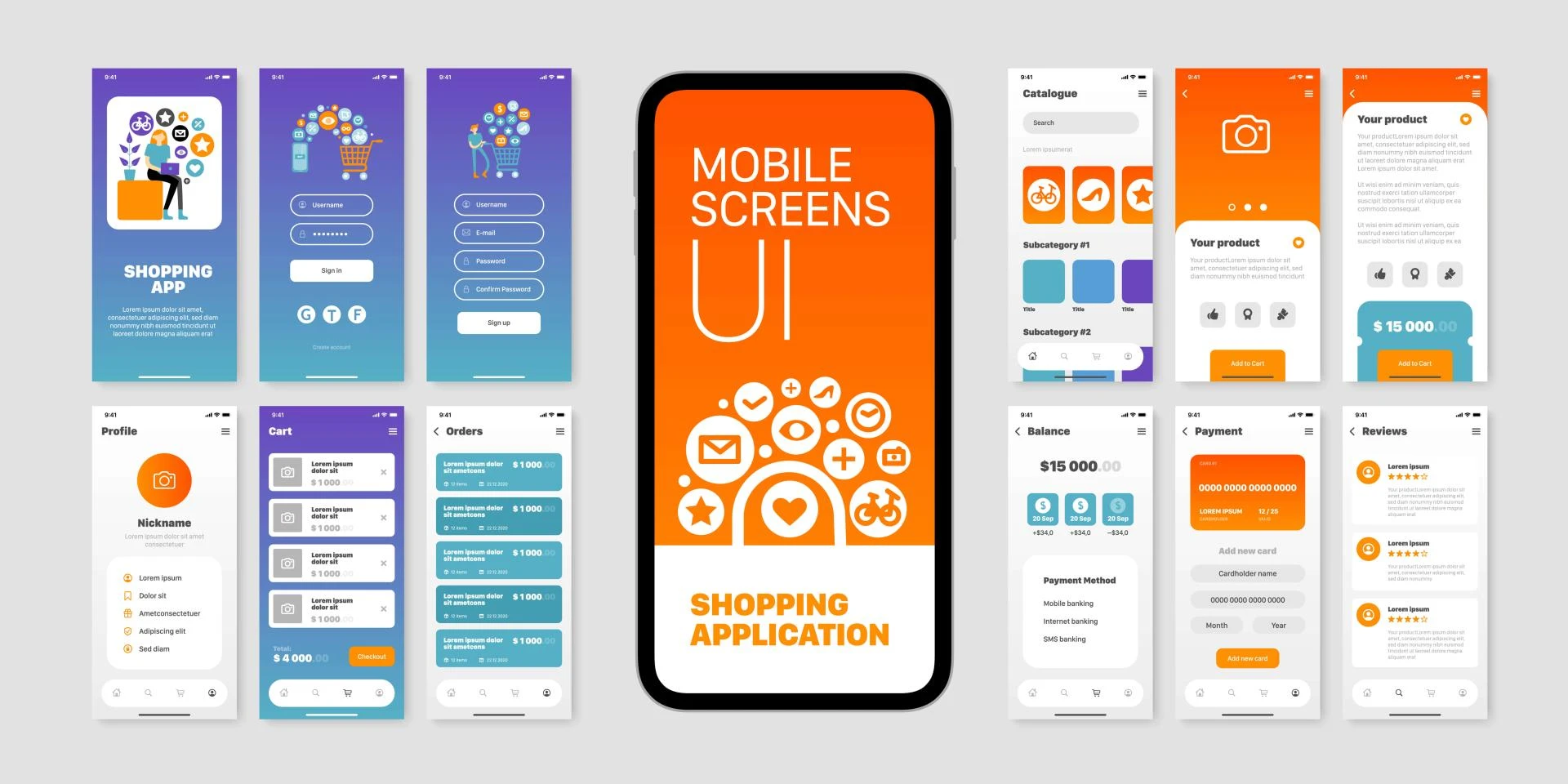
3. See Whether They Can Design for Mobile First
More than half of your website visitors are on mobile.
Your designer must be able to create mobile-friendly or mobile-first designs:
- Perfect spacing
- Thumb-friendly buttons
- Easy readability
- Smooth scrolling
- No clutter
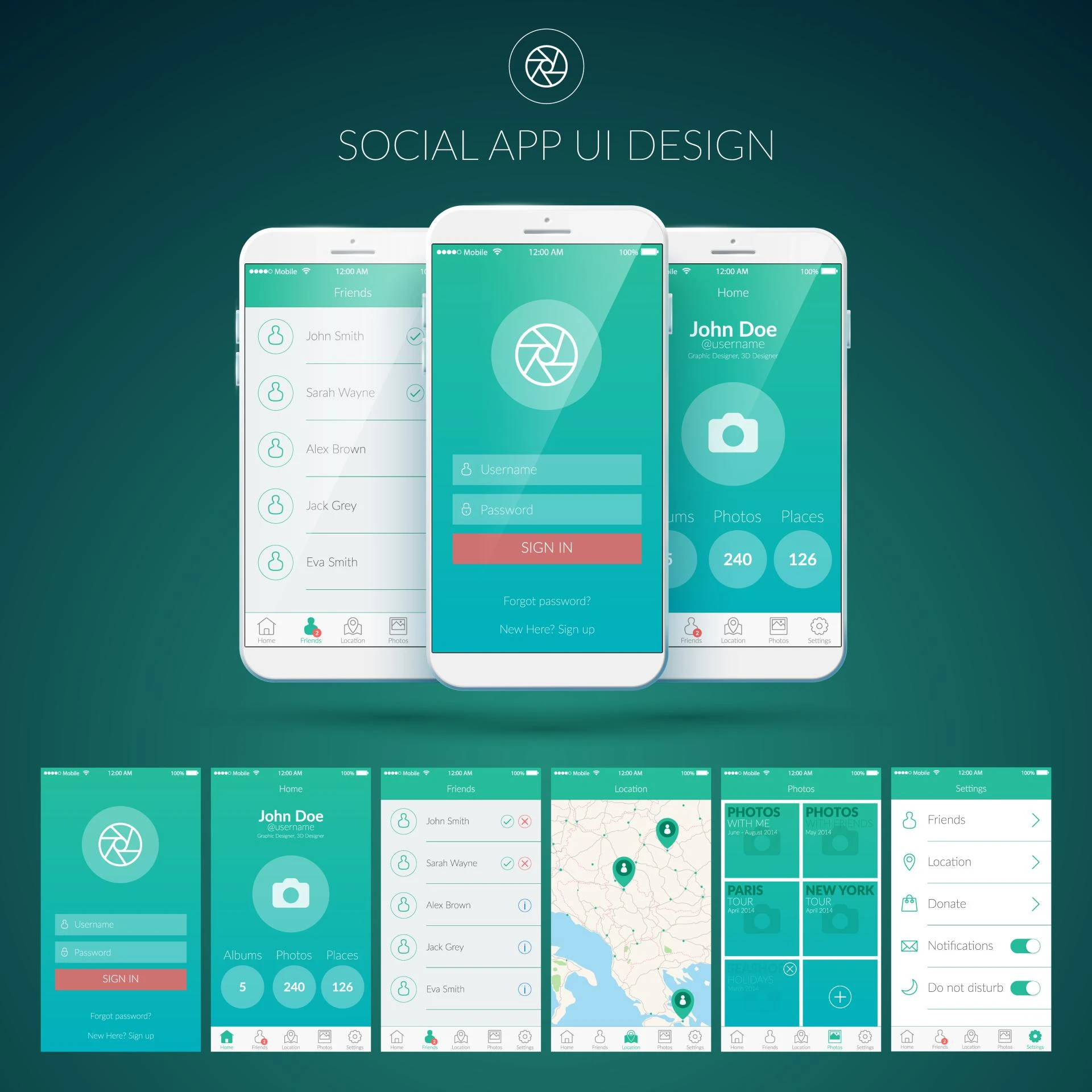
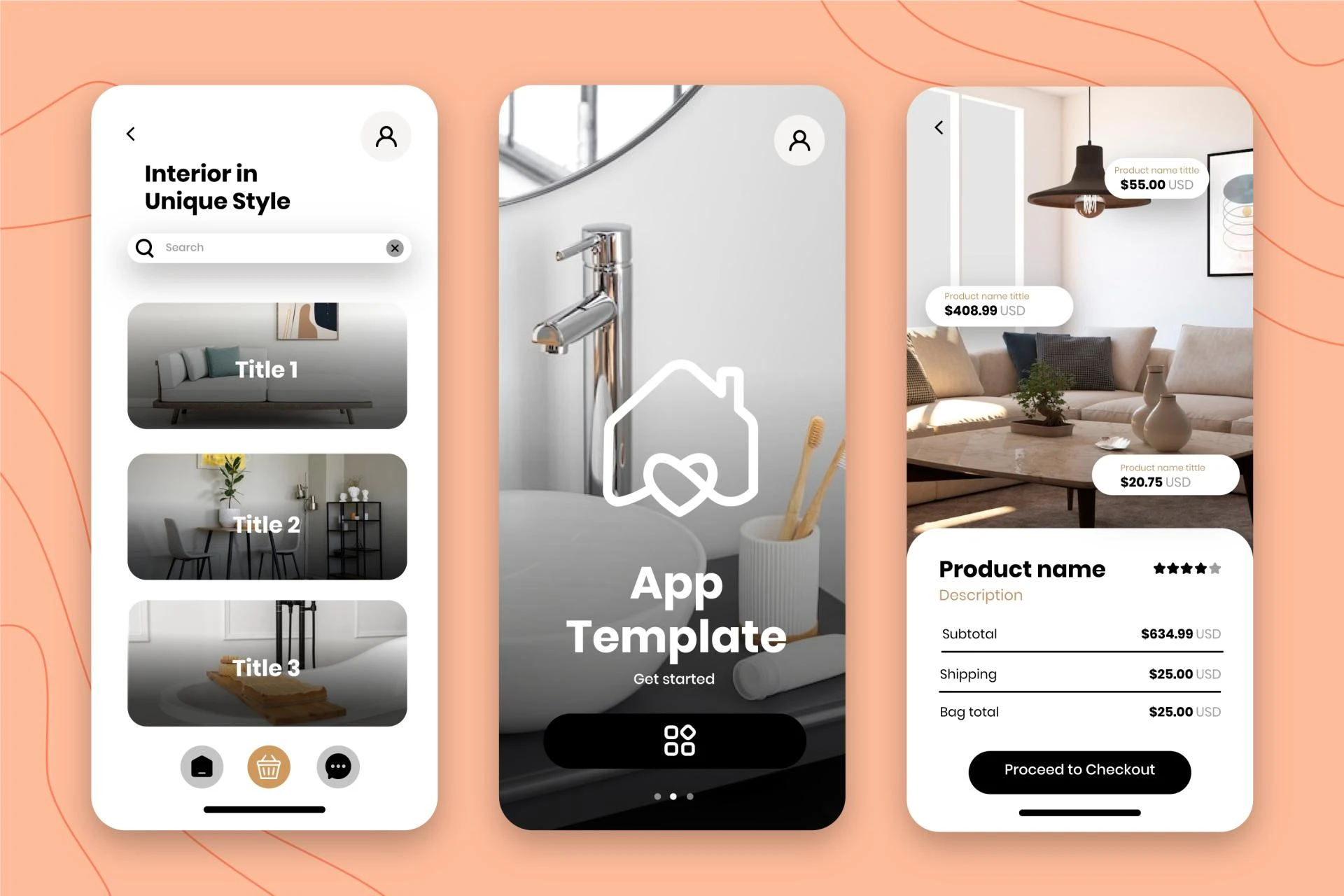
If their portfolio shows strong mobile screens, that's a great sign.
4. Evaluate Their Communication Skills
A great web designer doesn’t just design—they communicate clearly.
Ask yourself:
- Do they understand your goals?
- Do they ask the right questions?
- Do they explain their design decisions?
- Do they respond professionally and on time?
Good communication ensures the entire project goes smoothly from start to end.
5. Understand Their Process
Every designer should follow a strategic process:
- Research
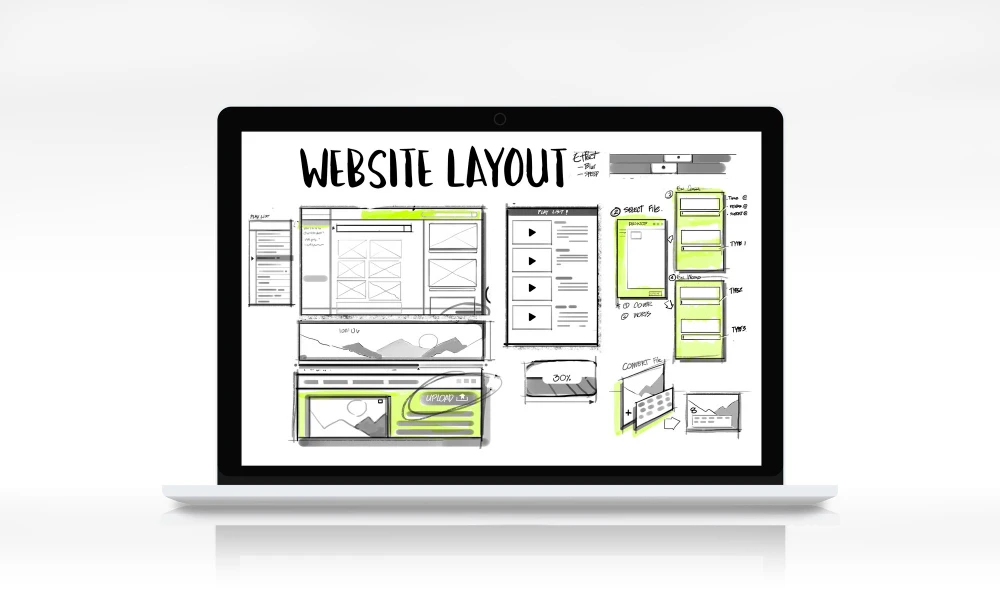
- Wireframing
- UI design
- Revisions
- Final delivery
- Development handoff
When a designer has a clear process, it shows they work professionally and avoid disorganized “guesswork.”
6. Check Their Knowledge of SEO-Friendly Design
Your website should not only look good—it should also rank on Google.
A good web designer knows:
- SEO-friendly layouts
- Proper heading structure
- Fast loading UI
- Image optimization
- Clean design that supports content strategy
This ensures your website is both attractive and searchable.
7. Consider Whether They Fit Your Industry
Designers who have experience in your industry:
- Understand your audience
- Know what works for your niche
- Can implement industry-specific features
For example, an e-commerce business needs a designer with shop design experience, while a service-based business needs a designer skilled in landing pages.
8. Read Reviews & Client Feedback
Real client reviews reveal:
- How reliable the designer is
- How they communicate
- Whether they deliver on time
- Their problem-solving ability
- Their performance after the project (support, revisions, updates)
Look for consistent positive feedback across platforms like:
- Upwork
- Fiverr
- Google Reviews
- Behance testimonials
9. Compare Pricing vs. Value
Cheap design often leads to:
✖ Poor user experience
✖ Low conversions
✖ Outdated visuals
✖ More redesign costs later
A professional designer might cost more but delivers long-term business value.
Smart choice = Quality + Experience + Results
Not just the cheapest option.
10. Make Sure They Support Revisions & Post-Launch Needs
A website is not a “one-time” project.
Ask if they offer:
- Revisions
- Maintenance
- Updates
- Bug fixing
- Support after launch
A reliable designer helps you long after the project is done.
Conclusion
Choosing the best web designer is not just about finding someone who can make your website “look good.”
It’s about choosing a designer who understands:
✔ Your business
✔ Your users
✔ Your goals
✔ Design best practices
✔ How to create a conversion-ready digital presence
When you choose the right designer, your website becomes your strongest business tool—one that attracts customers, builds trust, and grows your brand.
If you want a professional, user-friendly, and high-performing website, invest your time in selecting a designer who truly understands what your business needs.

























Sign in to leave a comment.