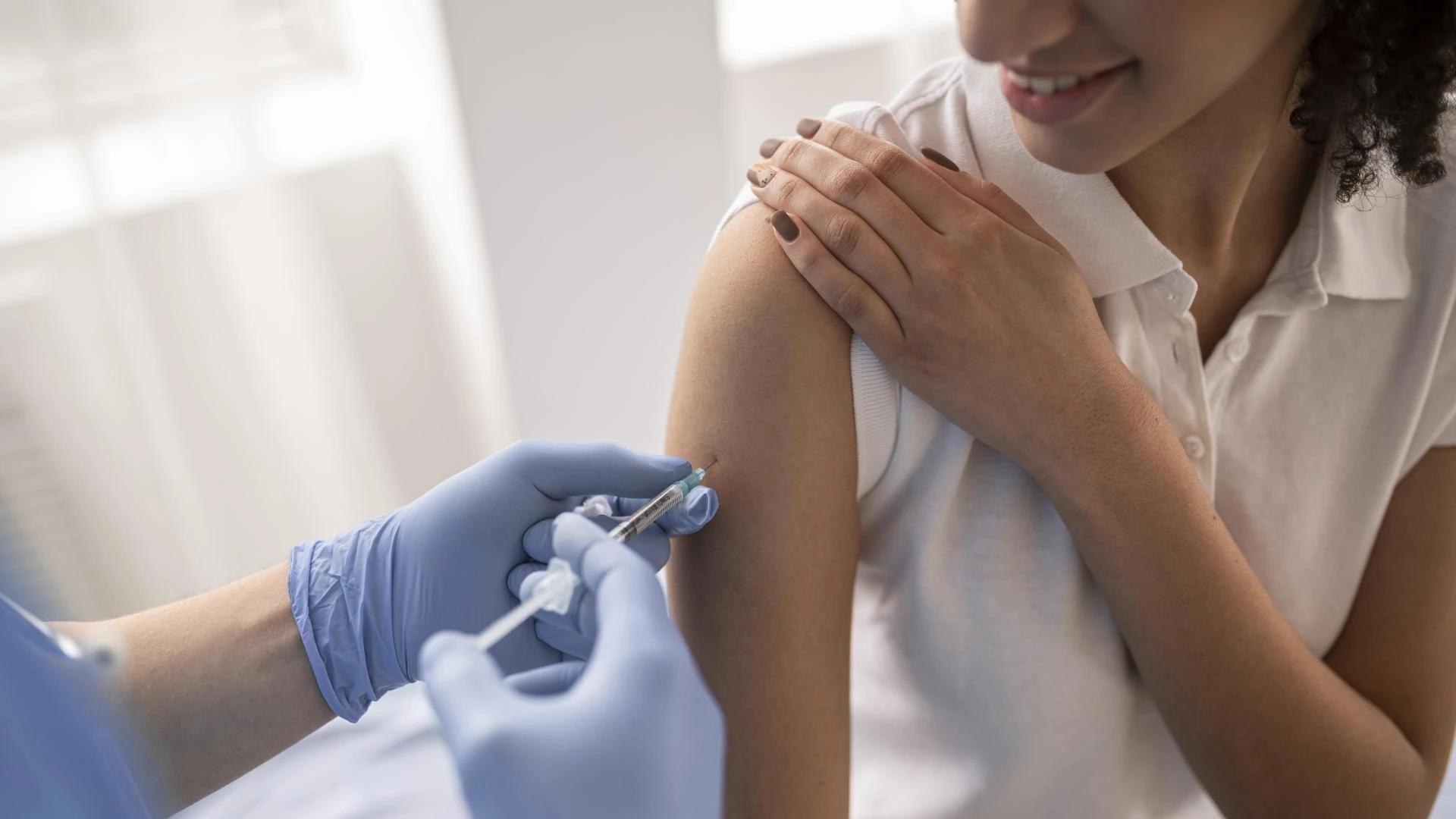

Staying healthy isn’t just about eating right and exercising, it's also about protecting yourself and your loved ones from preventable diseases. At First Care Family Clinic, we believe that vaccinations play one of the most critical roles in maintaining public health and individual well being. They are simple, safe, and effective tools that help the body build immunity against harmful viruses and bacteria. But why are they so essential, and what makes them one of the most powerful medical advancements in history? Let’s explore the importance of vaccinations and how they protect people of all ages.
Understanding How Vaccinations Work
When people hear about vaccines, they often think of childhood shots. But vaccinations are much more than that; they're a lifelong defense system. A vaccine works by introducing a weakened or inactive form of a disease ,causing an organism into the body. This exposure trains your immune system to recognize and fight that specific germ in the future.
So, when you encounter the real virus or bacteria later in life, your immune system already knows how to respond quickly and effectively. This means you’re either completely protected from infection or experience a much milder form of the illness.
Vaccinations don’t just protect individuals, they protect communities by creating what’s known as “herd immunity,” which reduces the overall spread of diseases.
Why Vaccinations Are Essential for Everyone
The benefits of vaccines go beyond just avoiding a few days of sickness. They help prevent severe, sometimes life ,threatening illnesses that can have long ,term health consequences.
1. They Prevent Serious Diseases
Diseases like measles, whooping cough, polio, and influenza once caused widespread illness and death. Thanks to routine vaccinations, these diseases are now rare or under control in many parts of the world. Skipping vaccines can allow these diseases to return.
2. They Protect the Vulnerable
Not everyone can receive vaccines; newborns, the elderly, or those with weakened immune systems rely on others to be vaccinated. When you get vaccinated, you’re helping protect the people who can’t defend themselves.
3. They Save Lives and Reduce Hospital Visits
Vaccines have saved millions of lives worldwide. They reduce hospital admissions and prevent the spread of infections that could otherwise overwhelm healthcare systems.
4. They’re Safe and Monitored
Vaccines undergo years of research, testing, and continuous safety monitoring. Side effects, when they occur, are usually mild like soreness or fatigue and far less dangerous than the diseases they prevent.
Common Myths About Vaccinations
Despite overwhelming scientific evidence, misinformation about vaccines continues to spread. Let’s clear up a few common myths:
- Myth 1: Vaccines cause the diseases they prevent.
- Fact: Vaccines use inactive or weakened viruses that can’t cause illness. Instead, they safely trigger your immune response.
- Myth 2: Natural immunity is better.
- Fact: While natural infection can create immunity, it comes with the risk of severe illness or even death. Vaccines provide protection without that danger.
- Myth 3: Adults don’t need vaccines.
- Fact: Immunity can fade over time, and adults need boosters or seasonal vaccines to stay protected.
Understanding the facts behind vaccinations is vital for making informed health decisions.
Key Vaccinations Recommended for Families
Different vaccines are given at various life stages. Here are some essential ones to consider:
- Childhood Vaccines
- These include protection against measles, mumps, rubella, hepatitis B, and polio. They build the foundation for lifelong immunity.
- Adolescent Vaccines
- HPV and meningococcal vaccines protect against cancers and infections common in teens.
- Adult Vaccines
- Influenza, Tdap (tetanus, diphtheria, pertussis), and shingles vaccines help adults stay healthy and avoid serious complications.
- Senior Vaccines
- Older adults benefit from flu, pneumonia, and COVID ,19 boosters, which strengthen the immune system during vulnerable years.
Keeping up with these vaccinations ensures health protection across every generation.
Benefits of Vaccinations for Families
Families that stay up to date with their vaccinations experience fewer illnesses, fewer doctor visits, and better overall well being. Below are key family ,level benefits:
- Community Protection
- When everyone in a household is vaccinated, the risk of spreading contagious diseases dramatically decreases.
- Reduced Medical Costs
- Preventing illnesses saves money on hospital bills, medications, and lost workdays.
- Peace of Mind
- Knowing your loved ones are protected brings confidence and reassurance, especially during flu seasons or outbreaks.
Vaccines are truly a long ,term investment in your family’s health and stability.
The Evolving Role of Vaccinations in Modern Healthcare
Vaccines are constantly being updated to combat new strains of viruses and evolving diseases. Healthcare providers now focus on personalized vaccination schedules based on age, lifestyle, and health status. This ensures that every patient receives the right protection at the right time.
Technology also plays a growing role. Digital health records and reminder systems make it easier to track immunization history and ensure no dose is missed. Modern science continues to expand vaccine research, making them more effective and accessible for everyone.
Why Choose Preventive Care Over Reactive Treatment
Many people only visit the doctor when they’re sick but preventive care through vaccinations is much more powerful. Instead of treating illness after it strikes, vaccines help stop it before it starts. This approach reduces stress, saves time, and supports long term health.
Healthcare systems worldwide now emphasize prevention because it’s safer, more efficient, and cost effective. Families who prioritize vaccinations tend to have fewer health emergencies and enjoy better quality of life.
Conclusion
So, why are vaccinations important for your health? They are one of the simplest yet most powerful tools to prevent illness, save lives, and protect communities. At First Care Family Clinic, we prioritize patient education, safety, and preventive care helping every family stay healthy and confident. By staying up to date on your vaccinations, you’re not just protecting yourself but also contributing to a safer, healthier world. Prevention truly is the best medicine.
FAQs
1. Are vaccinations really necessary if I’m healthy?
Yes. Even healthy people need vaccines to prevent spreading diseases to those who are more vulnerable.
2. Can Vaccinations cause side effects?
Minor side effects like mild fever or soreness may occur, but serious reactions are extremely rare.
3. How often should I get vaccinations?
It depends on your age, health, and vaccine type. Annual flu shots and booster doses are common.
4. Do adults need vaccinations too?
Absolutely. Adults need boosters and seasonal vaccines to maintain immunity throughout life.
5. Where can I get reliable vaccine information?
Consult your healthcare provider or trusted sources like the CDC or WHO for accurate information.






























Sign in to leave a comment.