Mental health treatment has evolved significantly with the advancement of neuroscience and non-invasive therapies. One of the most innovative developments in this field is TMS Brain Mapping, a technology-driven approach that helps doctors deliver more precise and personalized treatment for mental health disorders. From depression to anxiety disorders, this method is transforming the way psychiatric conditions are diagnosed and treated.
As awareness about non-medication treatment options increases, many patients are now exploring TMS for anxiety and other mental health concerns. TMS therapy combined with brain mapping technology provides targeted stimulation to specific areas of the brain, improving treatment accuracy and patient outcomes.
What Is TMS Brain Mapping?
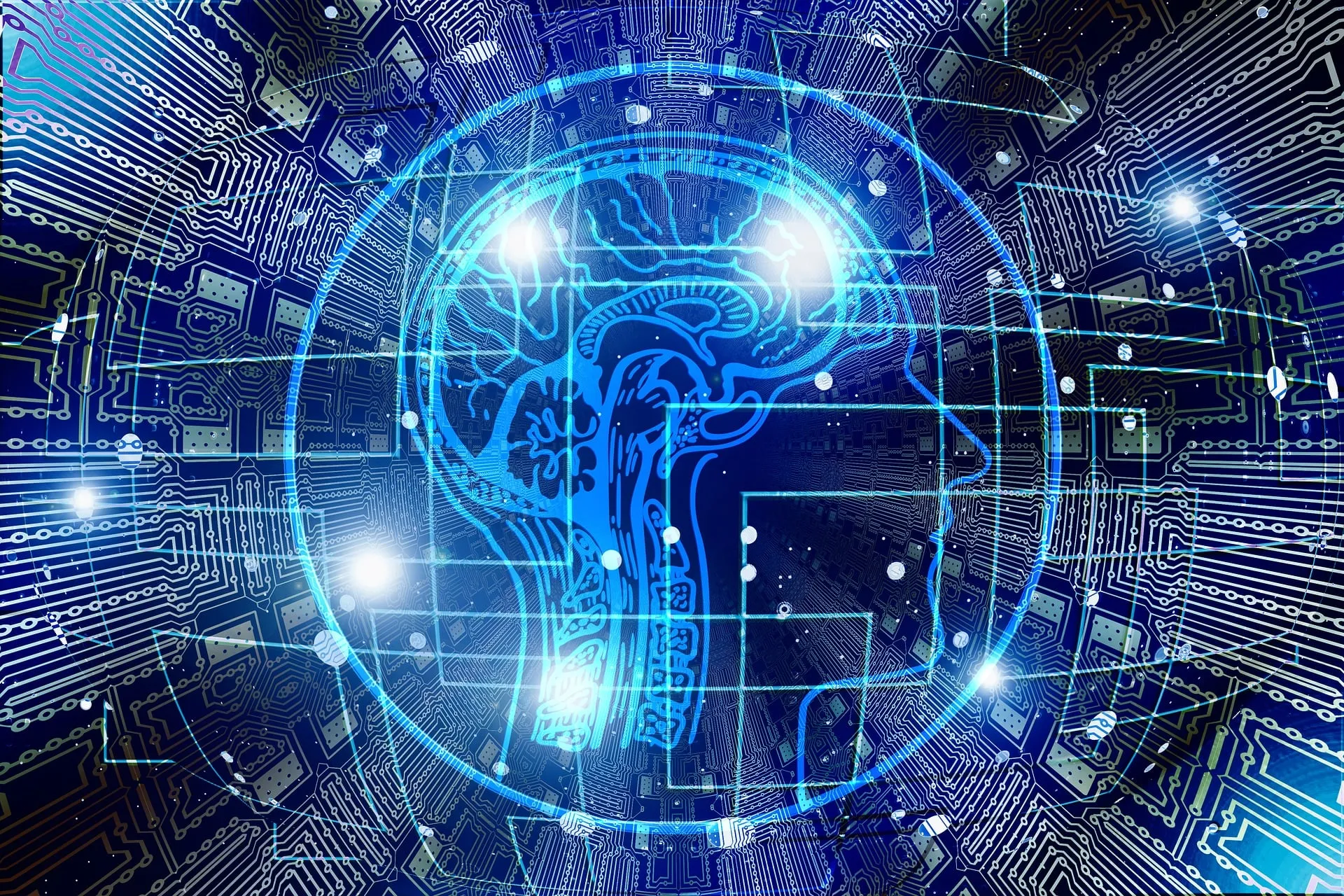
TMS Brain Mapping is a specialized diagnostic and treatment planning process used during Transcranial Magnetic Stimulation (TMS) therapy. It identifies the exact brain regions responsible for mood regulation, emotional responses, and cognitive functioning.
Using advanced neuro-navigation technology, specialists can determine the most effective area of the brain to stimulate.
How TMS Therapy Works
Transcranial Magnetic Stimulation uses magnetic pulses to stimulate nerve cells in specific areas of the brain. During the procedure, an electromagnetic coil is placed near the scalp. The magnetic energy activates underactive brain regions associated with depression, anxiety, and mood disorders.
Key Benefits of TMS Therapy
- Non-invasive treatment
- No anesthesia required
- Minimal side effects
- No recovery downtime
- Drug-free mental health solution
- Personalized therapy with brain mapping
Because of these benefits, TMS therapy has become increasingly popular among individuals seeking alternative mental health treatments.
Importance of TMS Brain Mapping in Mental Health Treatment
The success of TMS therapy largely depends on accurate targeting of brain regions. This is where TMS Brain Mapping plays a crucial role.
Improved Treatment Accuracy
Traditional approaches may use generalized stimulation points, but brain mapping creates a customized treatment plan. This improves precision and enhances treatment effectiveness.
Personalized Mental Health Care
Mental health disorders affect individuals differently. TMS Brain Mapping helps clinicians tailor therapy according to the patient’s neurological responses and symptom severity.
Better Patient Outcomes
Research suggests that accurate brain mapping may lead to faster symptom improvement and higher treatment success rates for depression and anxiety disorders.
TMS for Anxiety: A Growing Mental Health Solution
Anxiety disorders are among the most common mental health conditions worldwide. Symptoms such as excessive worry, panic attacks, restlessness, and difficulty concentrating can significantly impact daily life. Many patients struggle to find relief through medication alone. This has increased interest in TMS for anxiety as an alternative treatment option.
How TMS Helps Anxiety Disorders
TMS therapy targets brain areas linked to emotional regulation and stress response. With the support of advanced brain mapping therapy, specialists can accurately identify the regions responsible for anxiety, depression, and mood imbalance. By stimulating these targeted areas, the therapy helps restore balanced neural activity and improve overall mental wellness.
Patients undergoing TMS for anxiety often report improvements in:
- Chronic worry
- Panic symptoms
- Social anxiety
- Sleep quality
- Emotional stability
- Focus and concentration
Conditions Treated with TMS Brain Mapping
TMS Brain Mapping is widely used for various neurological and psychiatric conditions.
Depression
TMS therapy is highly effective for treatment-resistant depression. Brain mapping helps identify underactive regions associated with low mood and emotional imbalance.
Anxiety Disorders
TMS for anxiety is becoming increasingly recognized for helping patients manage generalized anxiety disorder, panic disorder, and social anxiety.
OCD (Obsessive-Compulsive Disorder)
Targeted stimulation may help reduce repetitive thoughts and compulsive behaviors.
PTSD (Post-Traumatic Stress Disorder)
Some patients experience relief from trauma-related symptoms through personalized TMS therapy.
ADHD
Researchers are also exploring TMS Brain Mapping for attention and cognitive improvement in ADHD patients.
What to Expect During a TMS Brain Mapping Session
The initial session typically involves evaluating the patient’s brain activity and identifying the treatment target area.
Step 1: Medical Assessment
A mental health specialist reviews symptoms, treatment history, and overall mental health condition.
Step 2: Brain Mapping Procedure
The specialist uses magnetic stimulation to locate the optimal treatment area and determine the patient’s motor threshold.
Step 3: Customized Treatment Plan
Based on the mapping results, a personalized TMS therapy plan is created.
Step 4: Regular Therapy Sessions
Patients usually attend multiple sessions over several weeks for maximum effectiveness.
Most individuals can resume daily activities immediately after treatment.
Advantages of TMS Brain Mapping Over Traditional Treatments
Traditional mental health treatments often rely on trial-and-error medication approaches. TMS Brain Mapping introduces a more scientific and targeted strategy.
Reduced Medication Dependence
Many patients prefer TMS because it minimizes reliance on antidepressants and anti-anxiety medications.
Fewer Side Effects
Unlike medication, TMS therapy generally does not cause weight gain, fatigue, or sexual dysfunction.
Long-Term Relief
Some patients experience long-lasting symptom improvement even after completing therapy sessions.
Precision-Based Treatment
Brain mapping ensures that therapy is customized for individual neurological needs.
Is TMS Brain Mapping Safe?
TMS therapy is considered safe when performed by trained professionals. The treatment is FDA-cleared and has been studied extensively for mental health applications.
Common side effects may include:
- Mild scalp discomfort
- Temporary headache
- Tingling sensation near the treatment area
Serious complications are extremely rare.
Patients with metal implants, pacemakers, or certain neurological conditions should consult their doctor before starting treatment.
Future of TMS Brain Mapping Technology
The future of TMS Brain Mapping looks highly promising as neuroscience and AI-driven diagnostics continue to evolve.
Emerging technologies may allow clinicians to:
- Improve brain scan accuracy
- Develop faster treatment protocols
- Personalize stimulation patterns
- Enhance success rates for anxiety and depression
As mental health awareness grows globally, TMS therapy is expected to become a mainstream treatment option for individuals seeking non-invasive care.
Conclusion
TMS Brain Mapping is revolutionizing modern mental health treatment by combining neuroscience, precision technology, and non-invasive therapy. By accurately identifying the brain regions responsible for emotional and cognitive disorders, clinicians can deliver more personalized and effective care.




























Sign in to leave a comment.