

Search "best data science course in India" and you'll get thousands of results, most of them written by the courses themselves, ranking themselves at number one. That's not particularly useful if you're actually trying to make a decision with your time and money on the line.
So let's take a step back and look at this properly. Instead of ranking specific programs against each other, which changes constantly and depends heavily on your own background, this is about understanding the categories of courses available in India right now, what each one is actually good for, and the criteria you should be checking yourself before you enroll anywhere.
The Categories of Data Science Courses in India
Most programs fall into a handful of broad types, and knowing which bucket a course sits in tells you a lot before you even look at the syllabus.
University-Affiliated Degree Programs
Institutions like IIT Madras offer full degree programs in data science, open to learners from a wide range of academic backgrounds. These carry strong brand recognition and academic depth, and they're a genuinely good fit for anyone who wants a formal credential alongside their learning, or who's planning to eventually pursue further academic study.
The trade-off is pace and flexibility. Degree programs tend to move slower, follow a fixed academic structure, and aren't always designed around getting learners job-ready as quickly as possible. For someone whose main goal is a job in the next 6 to 12 months, this route can feel like overkill.
Large Online Platforms and Bootcamps
Names like upGrad, Simplilearn, and Great Learning dominate this space, often in partnership with universities like IIIT-Bangalore or international institutions like Purdue. These platforms offer scale, brand recognition, and structured curricula covering Python, statistics, and machine learning.
The honest downside here is that scale can come at the cost of personal attention. With large batch sizes, mentorship can feel more like a support ticket system than an actual relationship with someone tracking a learner's progress. Curriculum can also feel generic since it's built to serve thousands of learners with very different starting points at once.
Applied, Project-Focused Bootcamps
Programs like Jigsaw Academy and Imarticus Learning lean heavily into case studies, industry datasets, and applied problem-solving rather than pure theory. These tend to work well for early-career professionals who already have some technical comfort and want to sharpen practical skills quickly.
They can move fast, sometimes too fast for a complete beginner without any prior exposure to programming or statistics. It's worth checking the prerequisites carefully before enrolling in this category.
Hybrid, Mentor-Led Institutes
This is where smaller, more hands-on programs sit, including Skyllx. These tend to prioritize direct mentor access, smaller batches, and a mix of online and offline learning formats over sheer scale. The trade-off is usually brand recognition. Learners won't get the same instant name recognition as an IIT credential, but they often get more individual attention and a curriculum that stays closely tied to actual project work rather than passive video lectures.
What to Actually Check Before Enrolling Anywhere
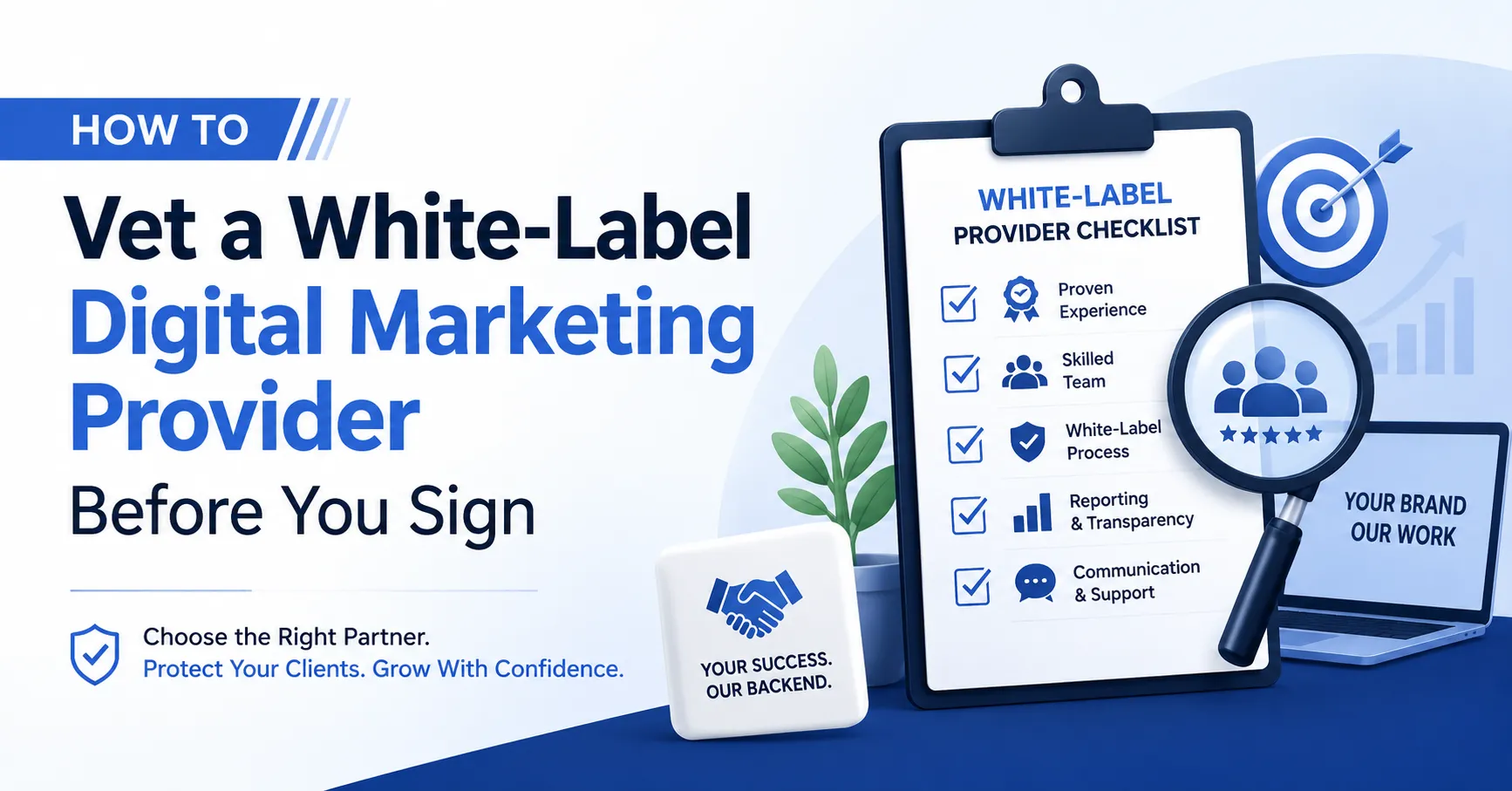
Regardless of which category a course falls into, the same checklist applies. It's worth running through this even for a course with good marketing or a well-known brand name attached to it.
Curriculum depth, not just curriculum breadth. A syllabus listing twenty tools sounds impressive, but it's worth asking how deep each topic actually goes. A course that teaches five tools thoroughly is usually worth more than one that skims twenty.
Whether real projects are actually built in. Not "you'll work on projects" as a vague promise, ask specifically what those projects look like, whether they use real or realistic datasets, and whether there's something genuinely portfolio-worthy by the end.
What placement support actually means. "Placement assistance" can mean anything from dedicated interview prep and direct company connections to a generic list of job boards emailed out once. It's worth asking for specifics: how many students got placed in the last batch, and in what kind of roles.
The real cost versus the advertised cost. This means factoring in whether there are hidden fees, whether certification costs extra, and what the total time commitment actually looks like once project work is included, not just live sessions.
Format that matches real life. Online, offline, weekend batches, self-paced, these all have different completion rates for a reason. The best format is the one a learner will realistically stick with, not the one that sounds most flexible on paper.
Mentor access and batch size. A 500-person cohort and a 20-person cohort are fundamentally different learning experiences, even if the syllabus on the website looks identical.
Where Skyllx Fits Into This
Skyllx isn't the only good option out there, and any course that claims to be should be treated as a red flag on its own. That said, for learners who value the criteria above, particularly hands-on project work, direct mentor access, and a format that doesn't lock them into one rigid schedule, it's worth putting Skyllx's Data Science and AI-ML Professional Program through the same checklist as any other option under consideration.
The program is structured around a capstone project and real hands-on mini-projects rather than passive lecture-watching, includes placement assistance and interview prep, and runs both online and offline so learners can pick what actually fits their schedule. For anyone still mapping out where to start before comparing specific courses, it helps to look at Skyllx's full beginner roadmap first, since knowing what actually needs to be learned makes it much easier to judge whether any given course's syllabus is genuinely thorough or just padded with buzzwords.
The Bottom Line
There's no single "best" data science course in India, only the best course for a given starting point, budget, and learning style. A fresh graduate with time to spare has very different needs than a working professional trying to pivot careers in the evenings.
It's worth running every option under consideration through the checklist above before committing. The right course is the one that's honest about what it offers and can back up its claims with specifics, not the one with the biggest marketing budget.























Sign in to leave a comment.