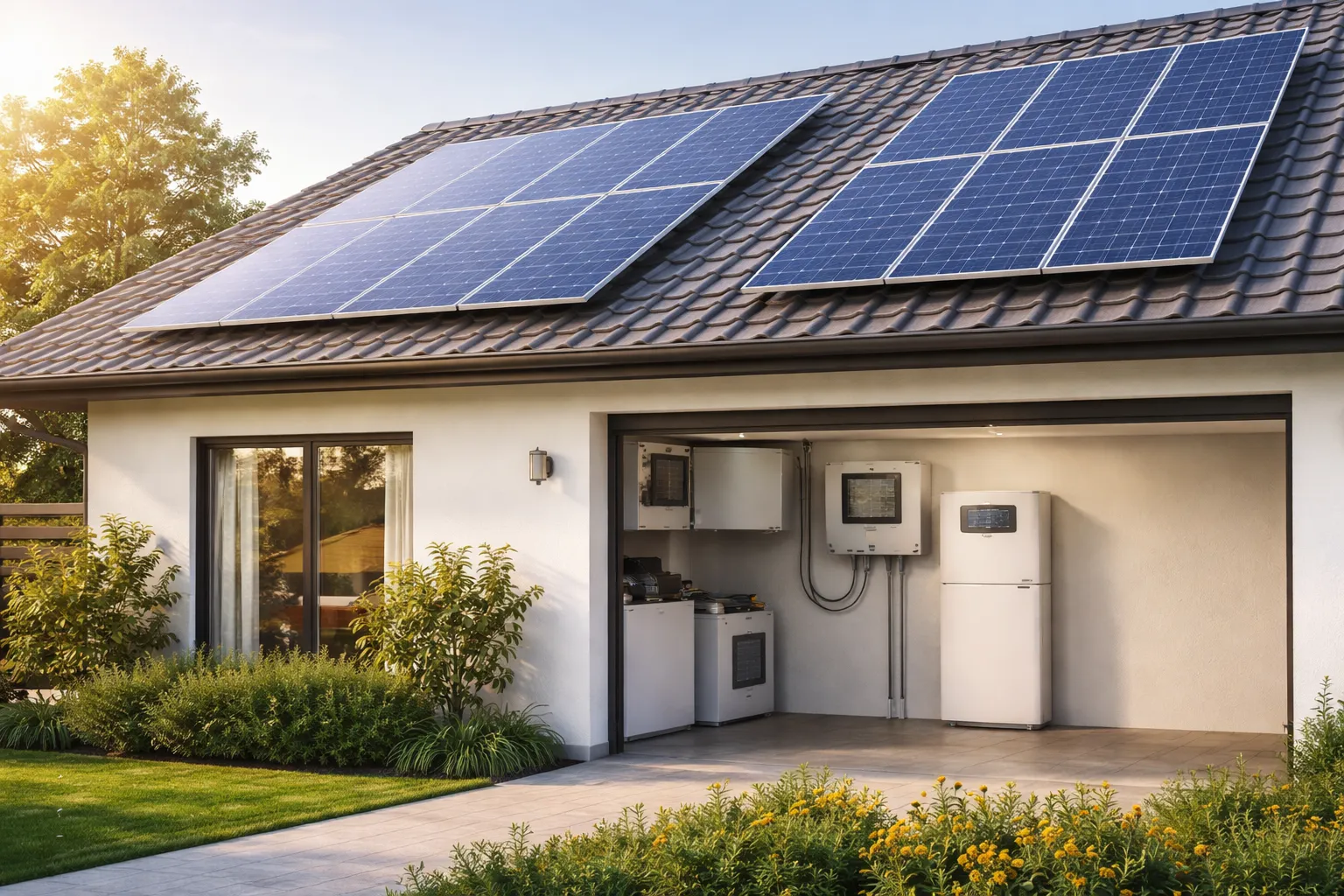

Switching to solar energy is becoming an increasingly popular decision for homeowners and businesses alike. With rising electricity costs and growing environmental awareness, solar power offers a practical and sustainable alternative. However, installing a solar system is a long-term investment, and making the right choices requires careful planning.
If you're considering making the shift, it’s important to understand the key factors that can influence your solar experience. This guide will walk you through everything you need to know before installing a solar system, helping you make an informed and confident decision.
1. Understanding Your Energy Needs
Before installing a solar system, start by evaluating your current energy usage. Look at your electricity bills from the past 6–12 months to understand your average consumption.
Ask yourself:
- How much electricity do you use daily?
- Do your energy needs change seasonally?
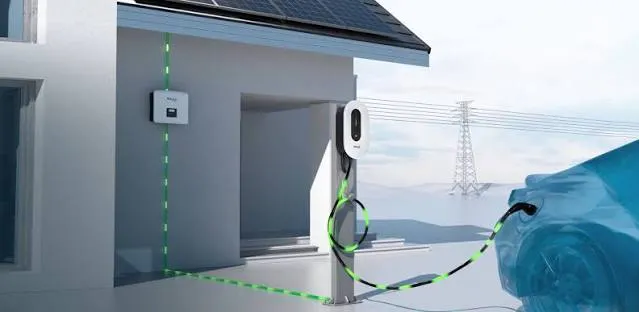
- Are you planning to add new appliances or systems (like EV charging)?
This information will help determine the size of the solar system you need. Installing a system that is too small may not cover your energy needs, while an oversized system can lead to unnecessary costs.
2. Roof Condition and Suitability
Your roof plays a critical role in solar installation. Since solar panels typically last 25 years or more, your roof should be in good condition before installation.
Key considerations include:
- Roof age: If your roof needs repairs soon, it’s better to fix it first.
- Material: Most roofing materials support solar panels, but some may require special mounting systems.
- Space: Adequate roof space is necessary for optimal panel placement.
A strong and stable roof ensures the long-term safety and performance of your solar system.
3. Orientation and Sunlight Exposure
Solar panels rely on sunlight to generate electricity, so their placement and direction are extremely important.
- In the UK, south-facing roofs typically receive the most sunlight.
- East- and west-facing roofs can also work, though with slightly reduced efficiency.
- Shade from trees, buildings, or chimneys can impact performance.
A professional solar assessment can help determine how much sunlight your roof receives and whether adjustments are needed.
4. Budget and Financial Planning
Solar installation involves upfront costs, but it can lead to long-term savings. Understanding your budget is essential.
Costs to consider:
- Solar panels
- Inverter
- Installation fees
- Maintenance
You should also explore:
- Government incentives or rebates
- Financing options
- Payback period (how long it takes to recover your investment)
While solar systems can reduce electricity bills, it’s important to approach the investment with realistic expectations.
5. System Size and Efficiency
Choosing the right system size is crucial. This depends on your energy usage, roof space, and budget.
Important factors include:
- Panel efficiency: Higher efficiency panels produce more power in less space.
- System capacity: Measured in kilowatts (kW), this determines how much energy your system can generate.
- Future needs: Consider whether your energy consumption may increase over time.
A well-sized system ensures maximum benefit without overspending.
6. Type of Solar Panels
Not all solar panels are the same. The three main types include:
- Monocrystalline panels: High efficiency and sleek appearance
- Polycrystalline panels: Slightly lower efficiency but more affordable
- Thin-film panels: Lightweight but less efficient
Each type has its advantages, and the right choice depends on your specific requirements.
7. Inverter Quality
The inverter is a key component that converts solar energy into usable electricity for your home.
Types of inverters:
- String inverters
- Microinverters
- Hybrid inverters (used with battery systems)
A high-quality inverter improves system performance and ensures reliability. Since inverters typically have a shorter lifespan than panels, it’s important to choose a durable option.
8. Battery Storage Options
Solar batteries allow you to store excess energy generated during the day for use at night or during power outages.
Benefits of battery storage:
- Greater energy independence
- Reduced reliance on the grid
- Backup during outages
However, batteries add to the overall cost, so consider whether they align with your needs and budget.
9. Installation Company and Expertise
Choosing the right installer is just as important as choosing the right equipment.
Look for:
- Experience and certifications
- Customer reviews
- Warranty and support services
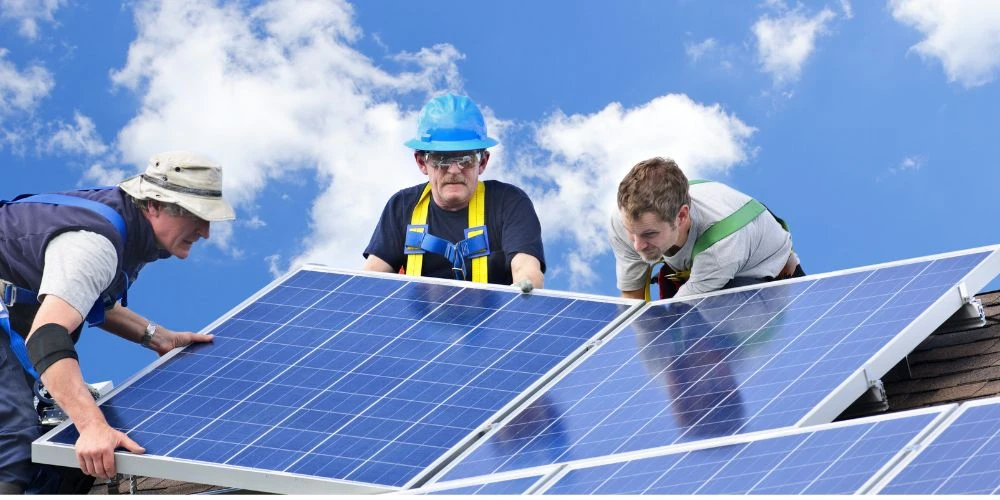
A reliable installer will ensure proper system design, safe installation, and long-term performance.
10. Local Regulations and Permissions
Before installing solar panels, it’s important to check local regulations and planning permissions.
In many cases:
- Solar installations fall under permitted development
- Restrictions may apply to listed buildings or conservation areas
Understanding these rules helps avoid delays or complications during installation.
11. Maintenance and Longevity
Solar systems require minimal maintenance, but they are not completely maintenance-free.
Basic upkeep includes:
- Cleaning panels occasionally
- Checking system performance
- Scheduling periodic inspections
Most systems are designed to last 20–25 years, making them a long-term investment.
12. Environmental Impact
One of the main reasons people switch to solar energy is to reduce their environmental footprint.
Solar energy:
- Reduces carbon emissions
- Decreases reliance on fossil fuels
- Supports sustainable living
By installing solar panels, you contribute to a cleaner and greener future.
13. Return on Investment (ROI)
Solar systems can provide financial benefits over time, but the return on investment depends on several factors:
- Initial installation cost
- Energy savings
- Electricity rates
- Incentives and rebates
Typically, homeowners start seeing returns within a few years, followed by long-term savings.
14. Grid Connection and Energy Export
Most solar systems are connected to the grid, allowing you to export excess electricity.
Benefits include:
- Credits or payments for surplus energy
- Reduced electricity bills
Understanding how grid connection works helps you maximize the benefits of your system.
15. Future-Proofing Your System
Technology is constantly evolving, so it’s wise to think ahead when installing solar.
Consider:
- Adding battery storage later
- Upgrading components
- Integrating smart energy systems
A flexible system ensures that you can adapt to future energy needs.
16. Weather Considerations
Brighton’s weather can vary throughout the year, but solar panels still work even on cloudy days.
Important points:
- Solar panels generate electricity from daylight, not just direct sunlight
- Efficiency may drop during overcast conditions
- Long summer days can increase energy production
Understanding local weather patterns helps set realistic expectations.
17. Aesthetic and Property Value Impact
Solar panels can change the appearance of your home, but modern designs are more visually appealing than ever.
Additionally:
- Solar systems may increase property value
- Energy-efficient homes are often more attractive to buyers
Balancing aesthetics and functionality is an important consideration.
18. Insurance and Warranty
Before installation, check how solar panels affect your home insurance.
Also, review warranties:
- Panel warranties (typically 20–25 years)
- Inverter warranties (usually 5–10 years)
- Installation warranties
Strong warranty coverage provides peace of mind.
19. Comparing Multiple Quotes
It’s always a good idea to get quotes from multiple installers.
Compare:
- Pricing
- Equipment quality
- Installation timelines
- Warranty terms
This helps you make a well-informed decision and avoid overpaying.
20. Making an Informed Decision
Installing solar panels is a significant step toward energy independence and sustainability. However, it’s not a one-size-fits-all solution.
Taking the time to evaluate your needs, budget, and property conditions will ensure you get the most out of your investment. Whether you’re exploring options related to Solar Brighton or simply researching renewable energy, understanding these factors will help you avoid common pitfalls and make smarter choices.
Conclusion
Switching to solar energy is a smart and forward-thinking decision, but it requires careful planning. From assessing your energy needs to choosing the right equipment and installer, each step plays a crucial role in the success of your system.
By considering these key factors, you can ensure that your solar installation is efficient, cost-effective, and suited to your long-term goals. If you’re exploring options like Solar Brighton, take the time to research thoroughly, ask questions, and make decisions based on your specific situation.
Before moving ahead, take a moment to review your energy usage, roof condition, and budget. Speak with qualified professionals, compare your options, and gather as much information as possible. A well-informed decision today can lead to years of reliable and sustainable energy in the future.





















Sign in to leave a comment.