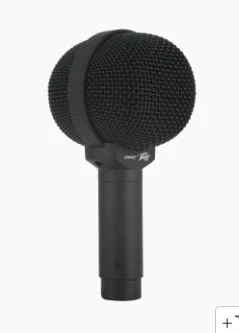

Podcasting sounds simple on the surface. You talk, you record, you publish. Yet anyone who has listened to a rough-sounding episode knows how fast poor audio breaks focus. Listeners forgive pauses and imperfect phrasing, but harsh tone or distracting noise pushes them away. That’s why choosing the right mic features matters more than many people think.
This blog breaks down what actually affects voice quality today. You’ll learn how sound pickup, tone control, build design, and everyday usability shape what your audience hears, without getting lost in technical talk.
Core Features That Shape Podcast Audio Quality
Before you compare models or price ranges, it helps to understand what actually affects how your voice comes across. Podcast audio quality does not depend on one single spec. It comes from a mix of sound pickup behavior, tone balance, physical design, and how easily the mic fits into your routine.
The features below explain how each of these elements shapes what listeners hear and how much effort you spend behind the scenes fixing audio.
Sound Pickup and Directional Control
A podcast microphone works best when it listens to you, not the room. Directional pickup decides how much of your voice reaches the recording and how much background sound slips in. When the mic focuses forward, it keeps your speech clear even if you record at home or in a shared space.
This matters more than fancy settings. If your mic ignores reflections from walls and noise behind it, your voice stays front and center. You spend less time fixing audio later and more time shaping the story you want to tell.
Voice Focus and Natural Tone
Spoken audio needs balance. A mic that boosts sharp highs makes words tiring to hear, while a dull tone can hide emotion. The right balance keeps your voice smooth and steady. You want listeners to follow your thoughts without effort.
A natural tone also helps different voices sit well together during interviews. When tone stays even, you don’t need heavy editing to make speech feel connected. It sounds like a real conversation, not a stitched-together track.
Sensitivity and Noise Handling
Sensitivity controls how much sound the mic notices. Too much sensitivity captures chair creaks, breathing, and street noise. Too little makes your voice feel distant. A good mic finds the middle ground.
It responds clearly when you speak, then quiets down when you pause. This helps a lot if you record near a keyboard or computer fan. You can focus on pacing and expression instead of worrying about every small sound around you.
Build Quality and Long-Term Use
Podcasting often becomes a routine. You record weekly, adjust your setup, and sometimes pack gear for travel. Build quality matters here. A solid mic resists handling noise and stays stable on a stand. Over time, cheap materials loosen or transmit vibration.
A well-built mic stays consistent session after session. That reliability builds confidence. You press record, knowing the sound will behave the same way it did last time.
Comfort and Mic Positioning
Comfort affects performance more than people admit. If the mic blocks your view or forces you into an awkward posture, your delivery suffers. Size and weight play a role here. A mic that sits easily on a boom arm or desk stand lets you relax.
When positioning feels natural, your voice flows better. You stay focused on ideas instead of mic distance. Over long recordings, that comfort shows up in your tone.
Connection Types and Setup Flexibility
Simple setups win in the long run. Some mics connect directly to interfaces or mixers; others need extra gear. What matters is how smoothly everything works together. When connections feel straightforward, you avoid troubleshooting before every session.
Stable connections also reduce unwanted noise and signal drops. A flexible setup lets you grow over time without replacing everything. You can add gear as your show evolves, not because your mic limits you.
Adaptability for Different Podcast Formats
Not every podcast sounds the same. Solo episodes, interviews, and group discussions all place different demands on audio gear. A good mic handles these shifts without struggle. It keeps voices balanced even when people sit at different distances.
That adaptability saves time during editing. Instead of fixing levels, you can focus on pacing and content. Consistent sound helps listeners stay immersed, regardless of format.
Learning Curve and Skill Growth
As you record more, you learn mic technique. You adjust distance, angle, and speaking rhythm. A responsive mic reflects those changes clearly. It doesn’t fight your improvements. Instead, it rewards better habits with cleaner sound.
Over time, your recordings feel more controlled without extra effort. That sense of progress keeps you motivated. The mic becomes part of your workflow, not an obstacle you work around.
Conclusion
Audio expectations keep rising as more shows fill podcast platforms. Listeners now expect clarity that feels easy and personal. Choosing features with care helps you meet that standard without stress.
When your podcast microphone supports your voice instead of distracting from it, you gain freedom to experiment and grow. Looking ahead, podcast setups will likely focus even more on ease and consistency. Understanding these features now puts you in a strong place as your show finds its voice and your audience keeps listening.

Sign in to leave a comment.