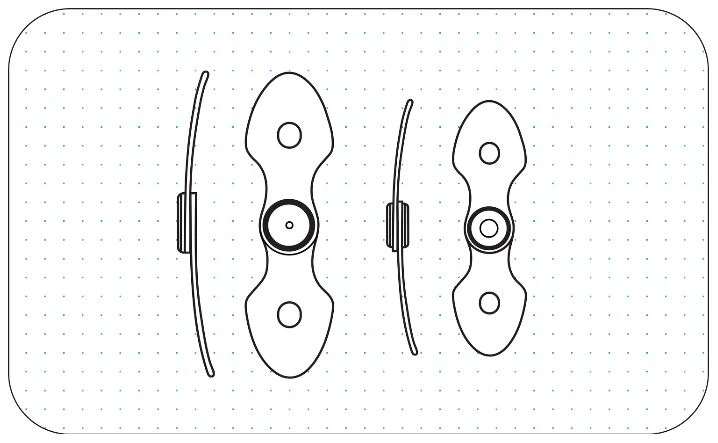

Have you ever watched someone walk with an orthotic that feels stiff, almost robotic, and thought something looked off?
Here’s the thing: movement should feel natural, not forced. That’s exactly where the concept of a pivot joint hinge comes in.
It’s designed to create smoother steps, better control, and a motion pattern. We explore how this mechanism works, why it matters, and how you can choose the right setup for everyday mobility.
Why understanding the mechanics behind natural motion matters
People often assume walking is simple, but the body uses a series of complex rotations, stabilizing actions, and micro-adjustments in every single step. Without the right support, those movements can feel restricted.
Devices built with thoughtful biomechanical engineering create alignment, stability, and confidence. And that’s where the pivot joint hinge plays a key role. Before diving deeper, it helps to understand how these joints mimic natural walking patterns and reduce unnecessary strain.
Pivot joints belong to the family of synovial joints and play an important role in how the body moves. Their structure allows rotation around a single axis, which gives us the ability to turn or twist parts of the body without strain.
You can see this motion when you turn your head to check your surroundings or when you rotate your forearm to adjust your grip on an object. Because these joints guide smooth, controlled rotation, they help maintain balance, coordination, and functional movement during everyday tasks. Without them, many simple actions would feel stiff, limited, or uncomfortable.
How controlled rotation shapes a smoother step
The first thing to get is that human joints rarely move in a single direction. They rotate, glide, shift, and adjust depending on load and terrain. A hinge that includes a rotational element allows the foot and ankle to follow their natural path.
Instead of locking the limb into one plane, it supports multidirectional action. Because of that, people experience less compensatory motion at the knee and hip. And when a device works with the body, not against it, step control improves, muscle fatigue drops, and alignment stays cleaner during repeated movement.
Where stability meets flexibility in real use
Some devices allow small degrees of controlled rotation that help users manage uneven surfaces or balance challenges. When this rotation is balanced with enough stiffness to protect the limb, people gain both safety and freedom.
Small engineering choices like joint placement, material density, and the type of rotation used change how each step feels.
Comparing rotational support systems: which one helps most?
Different orthotic joint types offer different benefits. Some prioritize control. Others give more freedom. And some blend both.
Below is a simple comparison to help readers understand how rotational mechanisms differ in daily use.
As you go through the table, notice how each design changes the walking experience. Devices that incorporate guided rotation align more naturally with how the ankle and knee behave during real strides. And because of that, users often feel more stable without feeling restricted.
Why guided rotation reduces stress on the knee
Every step sends force up the chain of the leg. With limited motion at the ankle, the knee takes on compensations it wasn’t designed for. That’s when fatigue, instability, and long-term strain show up.
A structure built to guide rotation helps distribute the load more evenly. Because the limb can follow a more natural path, the knee stays centered during stance. Over time, this prevents unnecessary torque that can cause discomfort or altered gait mechanics.
Here’s what many people notice after switching to a setup that includes rotational guidance:
- Foot lands more predictably.
- Knee stays aligned during stance and push-off.
- Stride feels less forced.
- Confidence increases, especially on slopes or uneven ground.
How the body uses rotation for better balance
Even small rotational adjustments help maintain balance. When you walk on a slight incline, the body shifts weight subtly to stay upright. If a device restricts that natural motion, balance becomes harder.
When controlled rotation is allowed, the body reacts more fluidly to shifting surfaces. This is why people often describe improved comfort during longer walks or daily tasks. And with better balance, they tend to move with more ease and less hesitation.
FAQs
What makes this mechanism different from a standard hinge?
A standard hinge usually supports movement in one direction. A rotational mechanism adds an extra movement pathway. Because of that, the limb follows a more natural motion pattern. People feel less restricted and often gain better stability during walking.
Can this design help with balance challenges?
Yes. Because the mechanism supports multidirectional movement, it helps the body react naturally to uneven terrain. This reduces hesitation during steps and improves confidence during daily tasks.
Does the joint limit motion too much?
The rotation is usually controlled, not loose. This means the user receives both stability and flexibility. The controlled range helps protect the limb without restricting natural gait.
Is this type of joint suitable for active users?
Many active users benefit from rotational support. It helps absorb small impacts and reduces strain on the knee and ankle. The added guidance often makes long periods of walking more comfortable.
How do I know if this is the right design?
It depends on mobility goals, gait patterns, and daily activities. A clinician can evaluate alignment, strength, and balance needs. They may also compare your current movement with what improved rotation could offer.
Does this mechanism work well with ankle-foot orthoses?
Yes. Many AFO designs use rotational elements to enhance natural walking patterns. The added movement protection helps maintain alignment without feeling rigid.
Conclusion
Natural motion depends on rotation and controlled stability. When a device supports movement instead of blocking it, each step feels smoother and more confident.
That’s what rotational hinge systems accomplish. They match the body’s own mechanics while still providing the structure needed for safety and balance.




























Sign in to leave a comment.