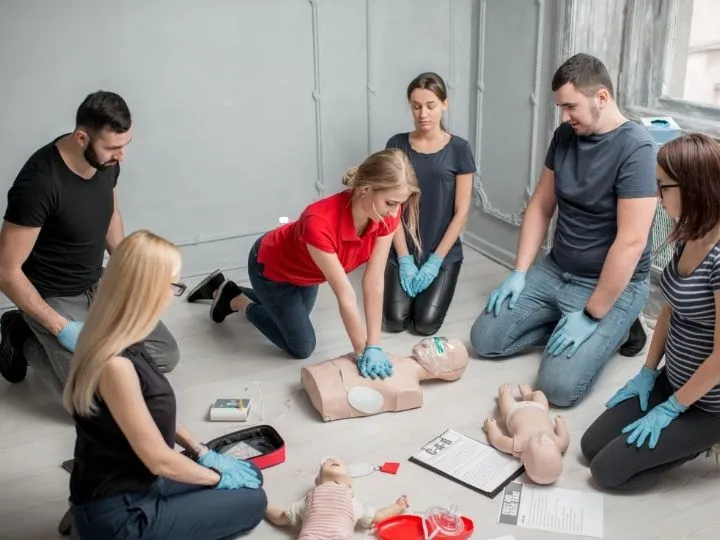

If you’re looking to improve your employability in Australia, completing a course to provide basic emergency life support is a smart move. This certification equips you with essential life-saving skills such as CPR, managing unconscious casualties, and responding to emergencies in the workplace. Employers across multiple industries value candidates who can act quickly and confidently in critical situations.
Below are some of the top jobs you can secure with this valuable qualification.
Why Employers Value Emergency Life Support Skills
Having the ability to provide basic emergency life support demonstrates responsibility, quick thinking, and a commitment to safety. In many workplaces, these skills are not just preferred—they are essential for compliance with health and safety regulations.
Key Benefits for Job Seekers
- Improves your resume and job prospects
- Meets workplace safety requirements
- Builds confidence in emergency situations
- Opens doors across multiple industries
Top Jobs You Can Get with This Certification
1. Security Officer
Security personnel are often the first responders during emergencies. Being trained to provide basic emergency life support allows you to assist injured individuals before paramedics arrive.
2. Childcare Assistant
In childcare settings, safety is a top priority. Employers prefer staff who can respond to incidents such as choking, falls, or allergic reactions.
3. Aged Care Worker
Working with elderly individuals requires preparedness for medical emergencies. This certification ensures you can provide immediate care when needed.
4. Construction Worker
Construction sites are high-risk environments. Workers with emergency life support training contribute to a safer workplace and are highly valued by employers.
5. Fitness Trainer or Gym Staff
Gyms and fitness centres require staff who can respond to injuries or cardiac emergencies. Being able to provide basic emergency life support is often a job requirement.
6. Hospitality Staff
From restaurants to hotels, emergencies can happen anywhere. Staff trained in life support can manage incidents effectively, ensuring guest safety.
Industries That Require Emergency Life Support Training
Healthcare and Community Services
Roles in healthcare support and community care often require basic life support skills as a minimum qualification.
Education and Childcare
Schools and childcare centres prioritise staff who can handle emergencies involving children.
Workplace Health and Safety
Many organisations require at least one trained first aider on-site, making this certification highly valuable.
How This Certification Boosts Your Career
Completing a course to provide basic emergency life support not only enhances your skillset but also increases your chances of securing employment in competitive industries. It shows initiative and a proactive approach to safety—qualities that employers actively seek.
Additionally, this certification can serve as a stepping stone to more advanced qualifications, such as first aid or CPR training, further expanding your career opportunities.
FAQs
What is “provide basic emergency life support” training?
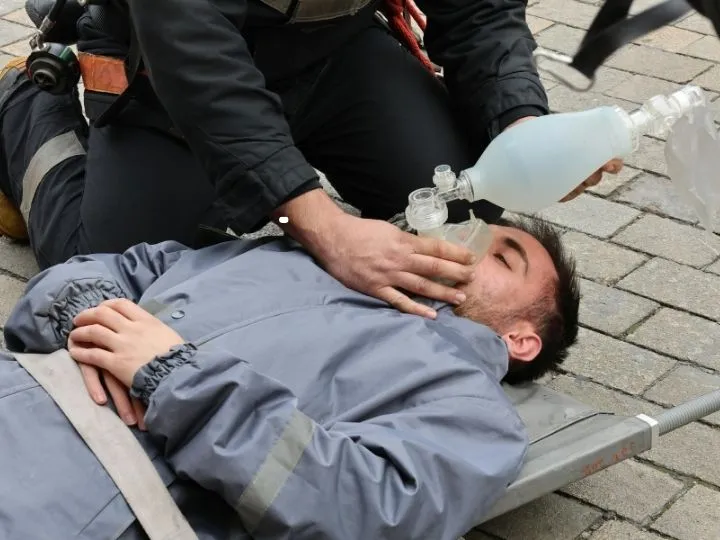
It is a nationally recognised course in Australia that teaches essential skills like CPR, using an AED, and responding to emergencies.
How long does the course take?
Most courses can be completed within a day, with a mix of theory and practical training.
Is this certification required for jobs?
While not always mandatory, many employers prefer or require candidates who can provide basic emergency life support.
How long is the certificate valid?
Typically, it is valid for 12 months, after which refresher training is recommended.
Can I take the course online?
Some providers offer online theory components, but practical assessment must usually be completed in person.
By gaining the skills to provide basic emergency life support, you position yourself as a reliable and safety-conscious professional, qualities that can significantly boost your career prospects across a wide range of industries.



























Sign in to leave a comment.