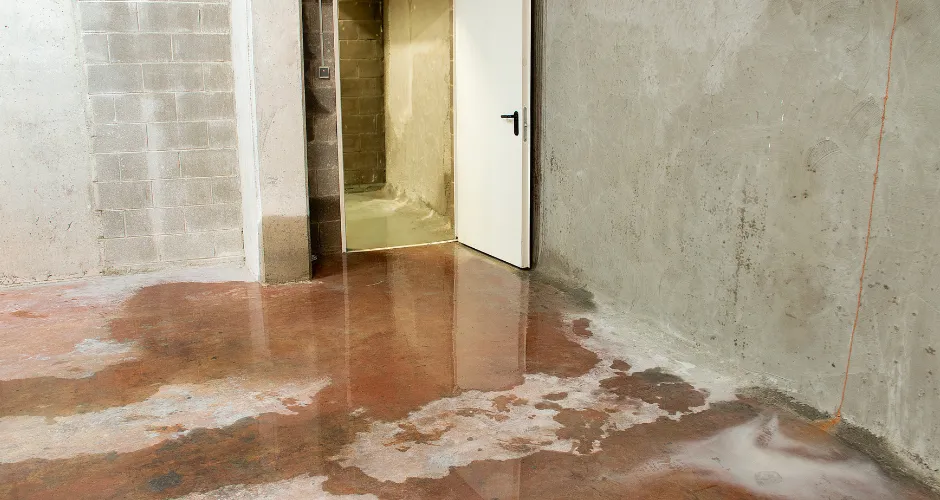

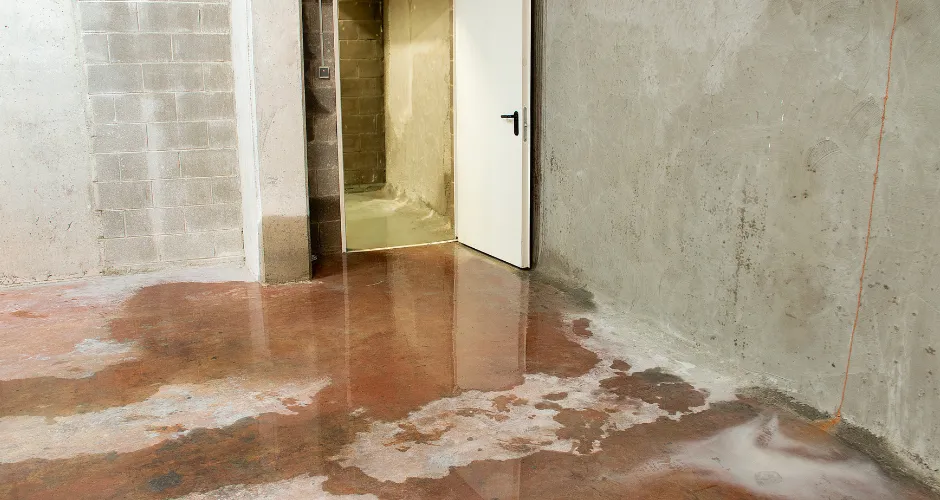
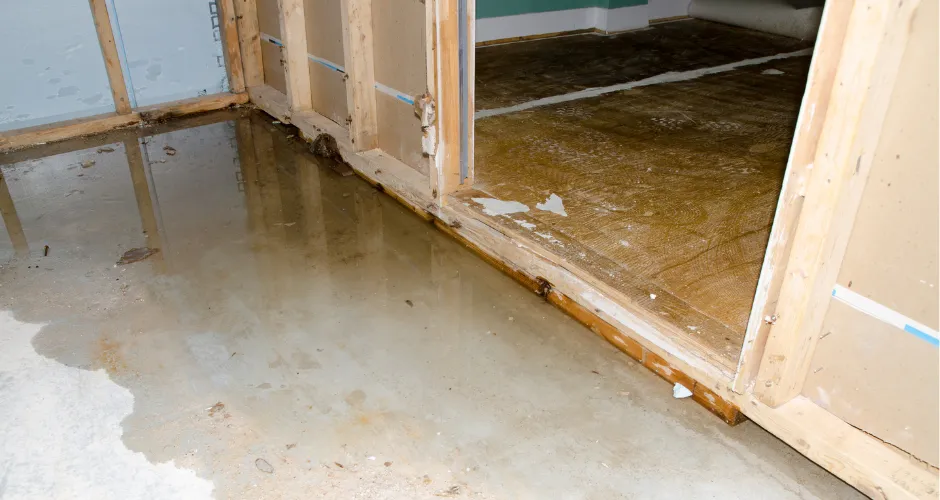
Flood damage in Toronto is a serious concern for homeowners, especially as heavy rainfall and aging infrastructure continue to strain residential properties across the city. Water intrusion can cause structural damage, destroy belongings, and create health hazards if not handled quickly and correctly. Knowing what steps to take can make a significant difference in how well your home recovers.
Water deterioration does not stop when the flooding ends. Once moisture seeps into walls, floors, and foundations, it begins a cycle of deterioration that becomes more costly the longer it sits. From warped flooring to compromised drywall, the effects compound quickly. That is why a fast, systematic response is critical.
How Flood Events Weaken Your Home's Exterior Structure
Timely exterior repairs are essential to prevent moisture from penetrating deeper into the structure. Ignoring surface damage leads to rot, mold growth, and long-term structural failure. Professional exterior restoration services address storm-related deterioration with precision, ensuring that repairs are done correctly the first time and that your home is properly sealed against future water events.
Here are key exterior issues that commonly result from flooding or heavy storms:
- Roof damage: Missing shingles, cracked flashing, or sagging areas allow rainwater to enter the attic and walls.
- Foundation cracks: Hydrostatic pressure from saturated soil causes foundations to crack or shift, enabling basement flooding.
- Damaged siding: Warped, cracked, or waterlogged siding breaks the moisture barrier protecting interior walls.
- Window and door frame failures: Swollen or misaligned frames create gaps that let water seep into the building envelope.
- Drainage system blockages: Clogged gutters and downspouts redirect water toward the foundation instead of away from it.
A thorough exterior inspection after any flood event is not optional; it is essential. Addressing visible deterioration early prevents expensive interior repairs down the line.
Turning Flood Damage Into a Renovation Opportunity
Smart home renovation planning ensures that the rebuilt spaces are more durable and water-resistant than before. Using moisture-resistant drywall, waterproof flooring, and improved ventilation in areas prone to humidity can dramatically reduce the risk of future damage. Restoration contractors who specialize in post-flood renovations understand which upgrades deliver the most value and protection.
Common renovation upgrades made after flood deterioration include:
- Waterproof flooring: Tile, luxury vinyl plank, or sealed concrete replaces carpet and hardwood in flood-prone areas.
- Moisture-resistant drywall: Replaces standard drywall in basements and lower levels to resist humidity and minor leaks.
- Improved basement waterproofing: Interior and exterior waterproofing systems prevent future water intrusion at the source.
- Upgraded insulation: Wet insulation must be replaced and is often swapped for moisture-resistant alternatives with better R-values.
- Sump pump installation or upgrade: A working sump pump with a battery backup provides active flood prevention for future events.
Treating post-flood repairs as a renovation opportunity allows homeowners to come out ahead. With the right contractor, you can restore your home to a higher standard than it was before the flood occurred.
The Hidden Dangers Lurking Behind Flood Damage in Toronto
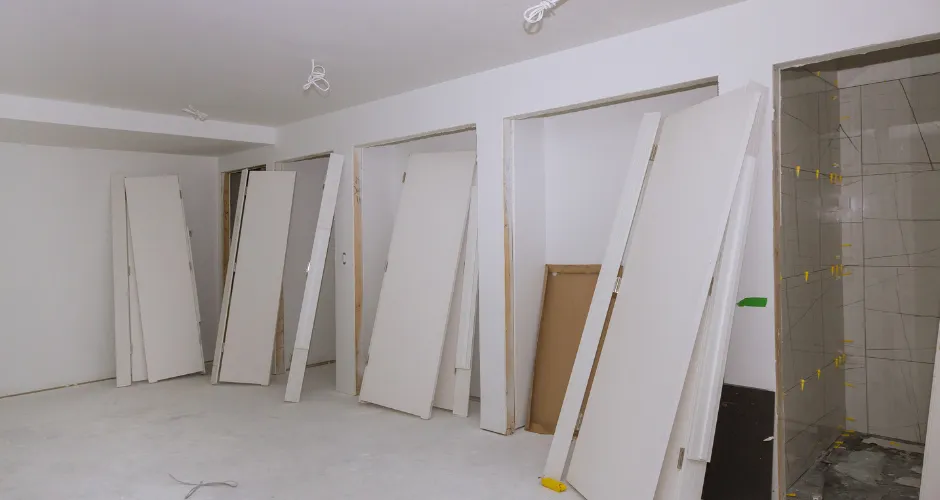
Many Toronto homeowners underestimate what floodwater leaves behind. Beyond visible damage, flood damage in Toronto frequently introduces contaminants, bacteria, and moisture into spaces that are difficult to fully dry without professional equipment. Floodwater from storms or sewer backups is rarely clean; it carries debris, chemicals, and pathogens that pose real health risks if not properly addressed.
Moisture that is not fully extracted continues to deteriorate building materials for weeks after the initial event. Wood rots, metal corrodes, and drywall crumbles. More critically, any trapped moisture becomes a breeding ground for mold within 24 to 48 hours. Without industrial drying equipment and moisture meters, it is nearly impossible to confirm that a structure is fully dry, and this is where DIY repairs often fall short.
Why Mold After Flooding Is a Problem You Cannot Ignore
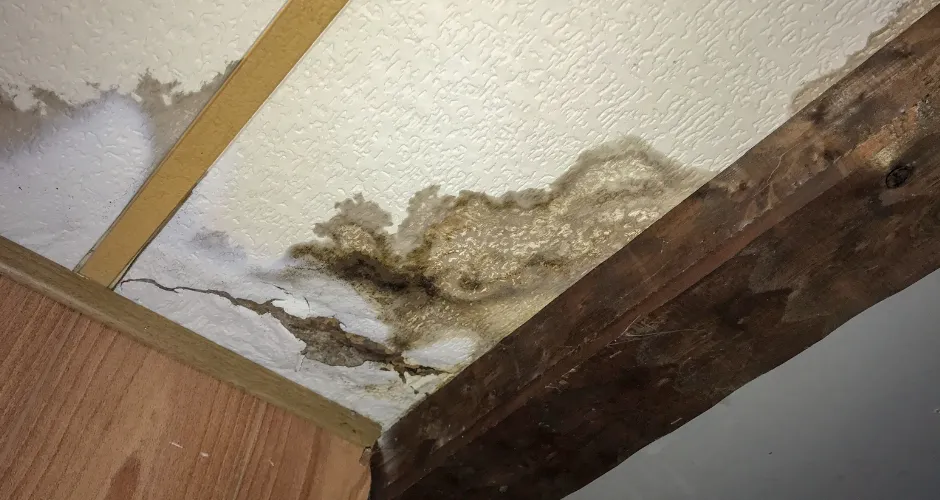
Professional mold remediation services are the safest and most effective way to eliminate mold after flooding. Trained technicians contain the affected area, remove compromised materials, and treat surfaces with antimicrobial agents. They also address the moisture source to prevent mold from returning, which is a critical step that surface cleaning alone cannot achieve.
Signs that mold may already be present in your home after flooding:
- Musty or earthy odors in rooms that were exposed to water
- Visible dark spots or discoloration on walls, ceilings, or flooring
- Peeling paint or bubbling wallpaper caused by moisture trapped beneath the surface
- Persistent respiratory symptoms among household members with no other explanation
- Water stains that have not dried or continue to reappear in the same location
Attempting to handle mold without professional help can spread spores further throughout your home. Certified mold remediation specialists have the training, protective equipment, and tools to handle the job safely.
Taking Control of Your Home's Recovery After a Flood
The Restorators understands that no two flood events are the same, and every home requires a tailored approach to restoration. From the first assessment to the final renovation, their team works efficiently to reduce your downtime and restore your property to a safe, livable condition. They bring together expertise in structural drying, exterior repair, mold remediation, and full-scale renovation, so you do not need to coordinate multiple contractors.
Taking action quickly after a flood limits the extent of the damage and reduces overall repair costs. Every hour of delay increases the risk of mold, structural deterioration, and health hazards. Calling a trusted restoration company as soon as it is safe to do so is always the right move.
Whether you are dealing with a flooded basement, damaged exterior, or mold growth, professional restoration gets your home back on track faster and more reliably than going it alone. With the right team behind you, recovering from flood damage in Toronto is not just possible, it is a manageable process with a clear path forward.




























Sign in to leave a comment.