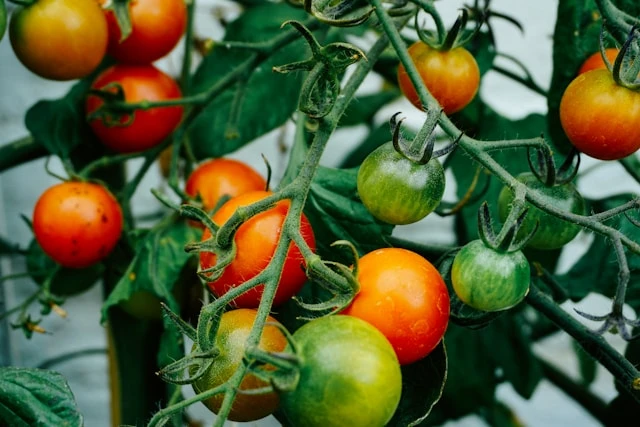

With the rising interest in sustainable living and organic food, urban gardening has become increasingly popular, especially in Indian cities. Transforming your balcony into a thriving kitchen garden is a rewarding way to grow fresh, nutritious vegetables right at home. Whether you\'re a seasoned gardener or a beginner, this guide will help you get started with growing kitchen garden vegetables in India on your balcony.
Why Start a Kitchen Garden?
Starting a kitchen garden on your balcony offers numerous benefits:
- Fresh and Healthy Produce: Growing your own vegetables ensures you have access to fresh, pesticide-free produce.
- Cost-Effective: It can significantly reduce your grocery bills.
- Therapeutic Hobby: Gardening is a relaxing activity that can improve mental well-being.
- Environmental Impact: It contributes to a greener environment and reduces carbon footprint.
Choosing the Right Vegetables
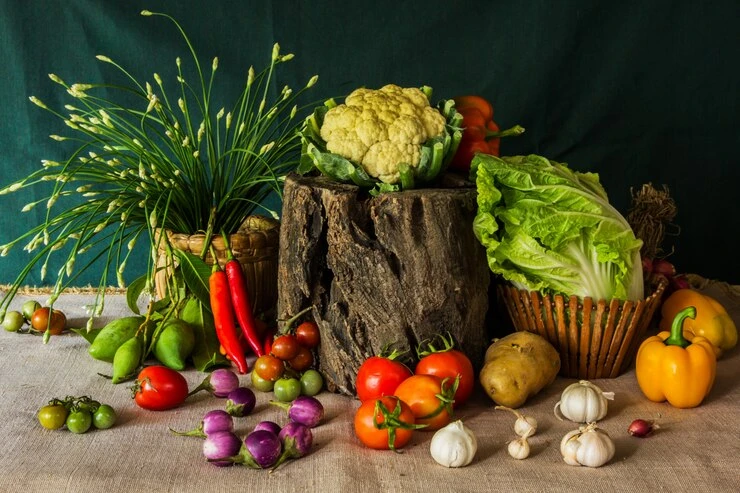
The key to a successful kitchen garden is selecting vegetables that are well-suited to your local climate and the space available. Here are some vegetables ideal for Indian cities:
- Tomatoes: Tomatoes thrive in sunny spots and are perfect for small spaces. They can be grown in pots or hanging baskets.
- Chillies: Easy to grow and require minimal care, chillies are a staple in Indian cuisine.
- Coriander (Cilantro): A quick-growing herb, coriander adds fresh flavor to dishes and is perfect for small pots.
- Spinach: A nutrient-rich leafy green, spinach grows quickly and can be harvested multiple times.
- Mint: Mint is easy to grow and spreads quickly. It requires a larger pot to contain its growth.
- Capsicum (Bell Peppers): These colorful vegetables are great for balconies and can be grown in pots.
- Cucumbers: Cucumbers are excellent for vertical gardening. They grow well in containers with proper support.
Setting Up Your Balcony Garden
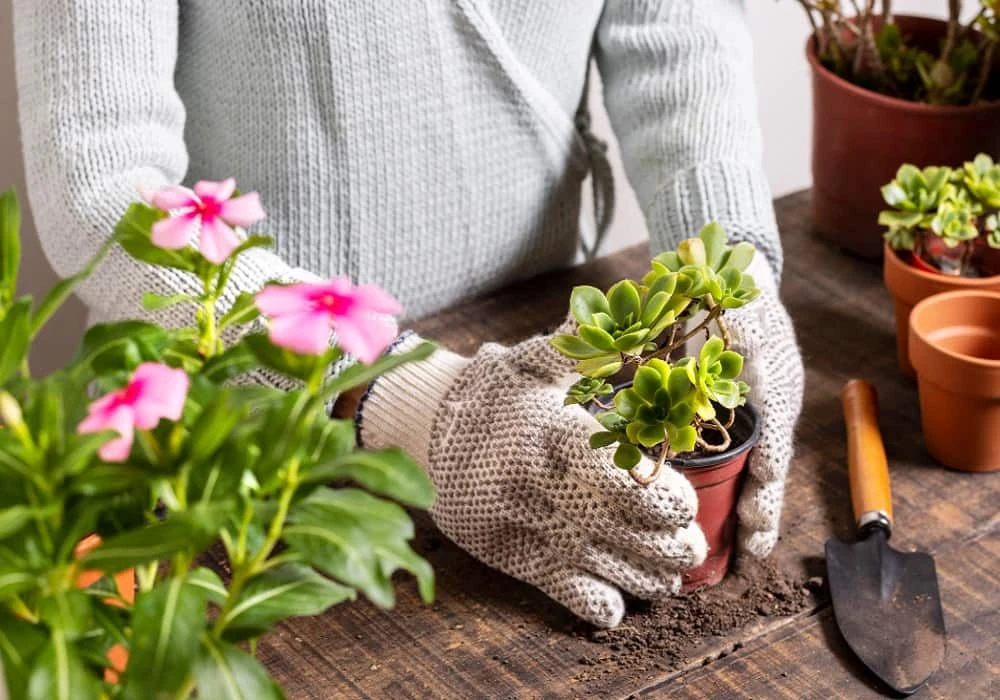
- Choosing Containers: Use pots, grow bags, or even recycled containers like buckets. Make sure there are openings for drainage to avoid waterlogging.
- Soil and Fertilizers: Use a mix of garden soil, compost, and cocopeat for a well-draining soil mix. Organic fertilizers like compost or vermicompost are ideal.
- Sunlight: Most vegetables need at least 4-6 hours of sunlight daily. Choose a sunny spot on your balcony and rotate the pots to ensure even light exposure.
- Watering: Make sure the soil is constantly damp but not soggy. Overwatering can lead to root rot. Use a watering can with a fine nozzle for gentle watering.
Care and Maintenance
- Pest Control: Use natural pest repellents like neem oil or garlic spray. Regularly check plants for pests and remove affected leaves.
- Pruning and Training: Trim dead leaves and train climbing plants with stakes or trellises to save space.
- Regular Harvesting: Regular harvesting encourages new growth. For leafy greens, pick the outer leaves first.
- Feeding: Feed plants with organic fertilizers every few weeks to boost growth.
Maximizing Space
In urban settings, space is often limited. Here are some pointers to make the most of the balcony garden area:
- Vertical Gardening: Use vertical planters, hanging baskets, or trellises to grow climbers and vining plants.
- Multi-Tiered Shelves: Utilize shelves to place pots at different levels, making efficient use of vertical space.
- Companion Planting: Plant companions together to make the most of available space and keep pests away.
For example, basil can be grown with tomatoes.
Benefits of Balcony Kitchen Gardening
- Convenience: Having fresh vegetables at your fingertips is incredibly convenient, especially in busy city life.
- Flavor and Nutrition: Homegrown vegetables are fresher and more nutritious than store-bought ones.
- Aesthetic Appeal: A well-maintained balcony garden enhances the beauty of your living space.
Conclusion
Transforming your balcony into a kitchen garden is a rewarding and fulfilling endeavor. It not only provides fresh, organic produce but also promotes a sustainable lifestyle. With the right vegetables, proper care, and a bit of creativity, you can create a lush, productive garden in the heart of the city. Grow your own food by starting small, experimenting, and having fun. Happy horticulture!




























Sign in to leave a comment.