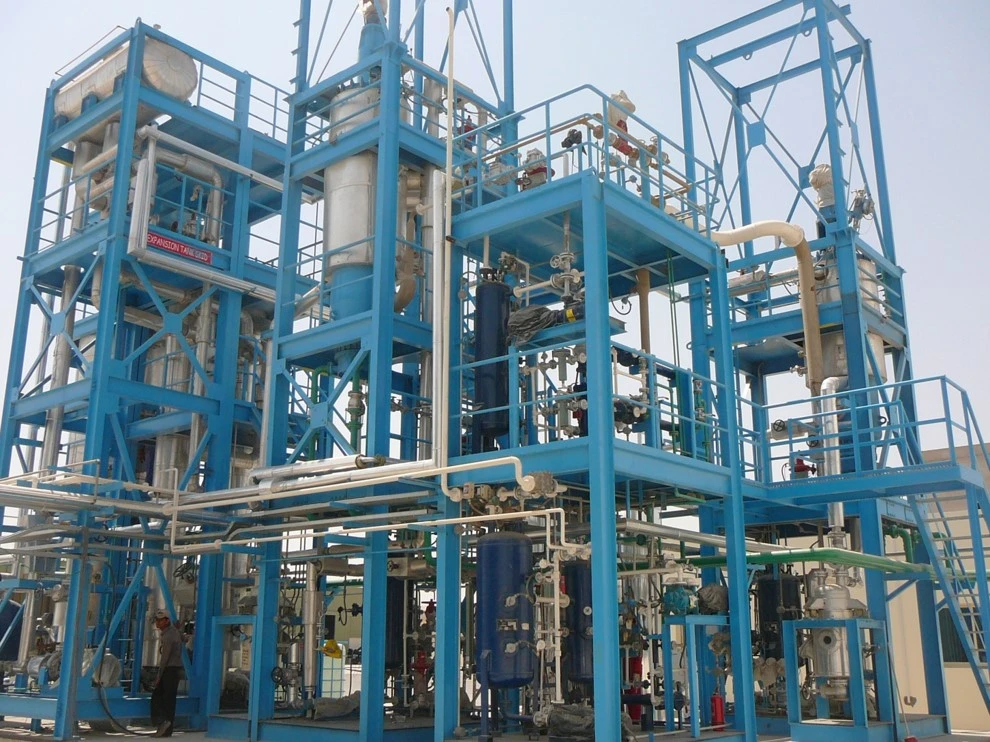
In today’s environmentally conscious world, industries and businesses are increasingly looking for sustainable solutions to manage their waste. One of the most critical areas is the management of used or waste oils. Improper disposal of used oil not only harms the environment but also leads to significant economic losses. This is where an oil recycling system plays a vital role. By efficiently converting used oil into reusable forms, these systems provide both ecological and financial benefits.
Understanding the Oil Recycling System
An oil recycling system is designed to process used oils, such as lubricating oil, hydraulic oil, and engine oil, and convert them into clean, reusable products. The process typically involves filtration, dewatering, and removal of contaminants to restore the oil’s original properties. Unlike simple oil recovery methods, a recycling system ensures that the oil meets industry standards for reuse, reducing the need for virgin oil and minimizing environmental impact.
These systems are widely used in industries such as automotive, manufacturing, and power generation, where large quantities of oil are used regularly. By implementing an oil recycling system, businesses can transform waste into a resource, creating a circular economy that reduces dependency on non-renewable resources.
Environmental Benefits of Recycling Oil
One of the primary advantages of using an oil recycling system is its positive impact on the environment. Used oil contains hazardous substances that, if improperly disposed of, can contaminate soil, water bodies, and ecosystems. Recycling prevents these harmful materials from entering the environment, protecting both human health and wildlife.
Additionally, oil recycling reduces greenhouse gas emissions. Producing new oil from crude requires significant energy, contributing to carbon emissions. By recycling used oil, industries can cut down on energy consumption, making operations more environmentally sustainable. This eco-friendly approach aligns with global sustainability goals and corporate social responsibility initiatives.
Economic Advantages for Businesses
Beyond environmental benefits, oil recycling systems offer substantial economic incentives. Purchasing new oil is a recurring expense for businesses that rely on machinery and vehicles. Recycling used oil reduces the need for frequent oil purchases, directly lowering operational costs.
Furthermore, some industries can generate revenue by selling the recycled oil or byproducts to other sectors. For example, cleaned lubricating oil can be resold to industrial users, while solid residues can be used as fuel in certain applications. This not only provides a return on investment but also promotes resource efficiency.
Key Features of Modern Oil Recycling Systems
Modern oil recycling systems are equipped with advanced technology to ensure efficient and safe operation. Some notable features include:
- Automated filtration and separation: Ensures the removal of water, sludge, and other contaminants.
- Energy-efficient operation: Reduces energy consumption and operational costs.
- Customizable design: Systems can be tailored for specific types of oil and industrial requirements.
- Safety and compliance: Meets environmental regulations and standards for oil reuse.
These features make oil recycling systems reliable, easy to operate, and compatible with various industrial processes.
Implementing an Oil Recycling System in Your Business
For businesses considering an oil recycling system, it is essential to assess their oil usage, type of oil waste, and recycling goals. Partnering with experienced providers ensures the system is tailored to your specific requirements, optimizing performance and ROI. Regular maintenance and monitoring of the system will also extend its lifespan and efficiency, providing long-term benefits.
Conclusion
An oil recycling system is no longer just a luxury; it is a necessity for industries committed to sustainability and cost efficiency. By converting waste oil into a valuable resource, businesses can reduce environmental impact, save money, and contribute to a circular economy. Investing in a high-quality recycling system is a strategic move that supports both ecological responsibility and operational excellence.
Adopting such sustainable practices today paves the way for a cleaner, greener future, demonstrating that environmental stewardship and economic efficiency can go hand in hand.

























Sign in to leave a comment.