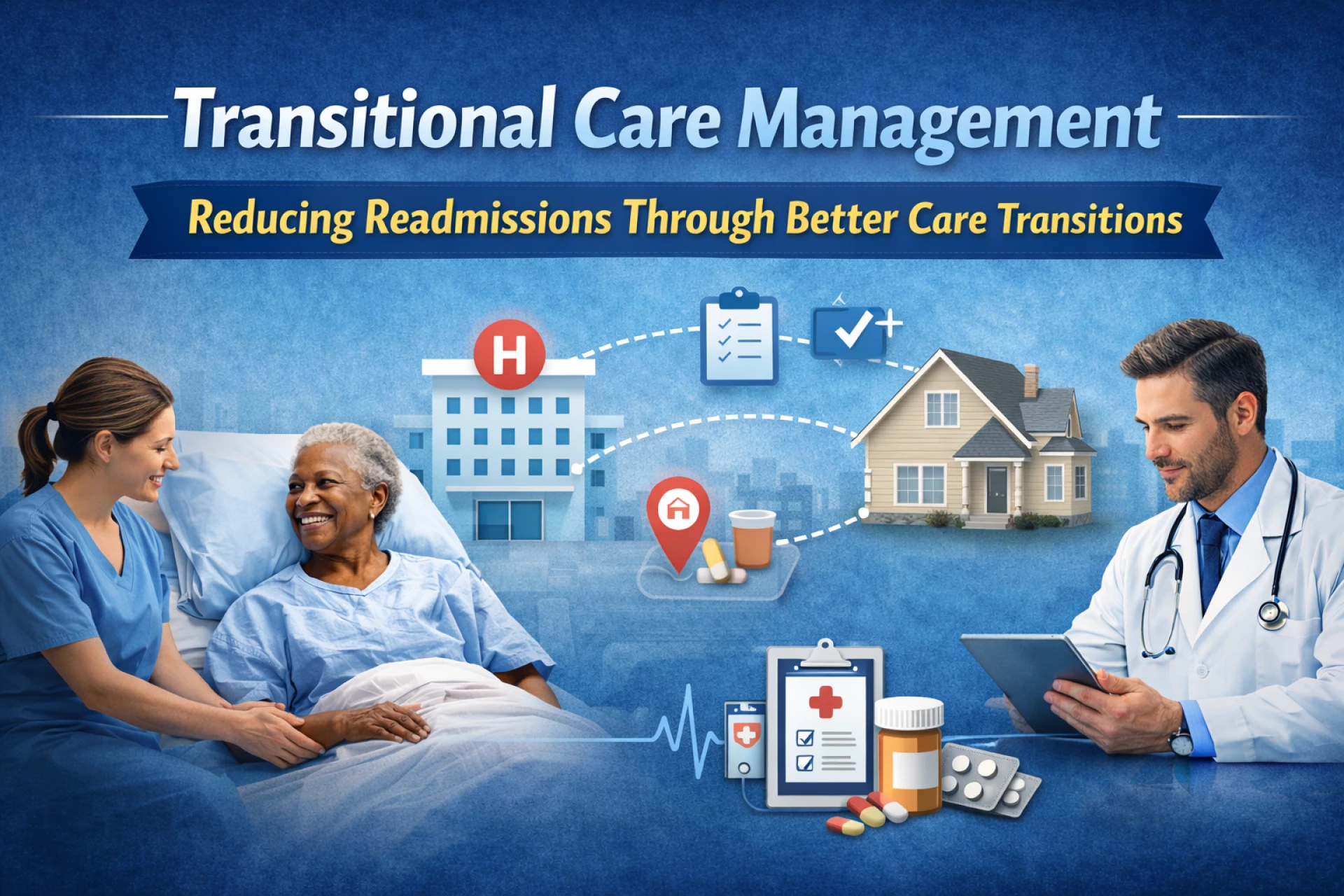
Transitional care management has become a crucial aspect of modern healthcare, especially as hospitals and clinics strive to reduce unnecessary readmissions. Navigating the transition from hospital to home or another care setting can be challenging for both patients and providers. When managed poorly, these transitions can lead to medication errors, confusion about care plans, and ultimately, avoidable readmissions. This is where transitional care management steps in, offering a structured approach to ensure patients receive the support they need during this critical time.
Understanding Transitional Care Management
Transitional care management refers to a set of services provided to patients as they move from one healthcare setting to another. The primary goal is to ensure continuity of care, improve patient outcomes, and reduce the risk of readmission. This is particularly important for patients with complex medical needs, chronic illnesses, or those recovering from major surgeries.
Transitional care management involves:
- Comprehensive assessment of the patient’s needs
- Medication reconciliation to avoid errors
- Clear communication between healthcare providers, patients, and caregivers
- Follow-up appointments and monitoring
- Education about the patient’s condition and care plan
Why Is Transitional Care Management So Important?
Unplanned hospital readmissions are costly for both healthcare systems and patients. According to the Centers for Medicare & Medicaid Services (CMS), almost one in five Medicare patients is readmitted within 30 days of discharge. These readmissions are often preventable and are frequently caused by gaps in care during the transition period.
Effective transitional care management helps to:
- Reduce medication errors and adverse drug events
- Ensure patients understand their treatment plan
- Improve adherence to follow-up appointments and therapies
- Address social and environmental factors that may impact recovery
- Provide timely interventions if complications arise
The Elements of Successful Transitional Care Management
For transitional care management to be effective, it must be a coordinated effort involving multiple healthcare professionals. Here’s what a successful transitional care management program typically includes:
Personalized Care Planning
Every patient has unique needs. Transitional care management begins with a comprehensive assessment that considers the patient’s medical history, current condition, medications, social situation, and support systems. This creates a tailored care plan that guides the transition process.
Medication Reconciliation
Medication errors are a leading cause of hospital readmissions. Transitional care management includes a thorough review of all medications the patient is taking, ensuring there are no duplications, omissions, or dangerous interactions. Patients receive clear instructions on dosage and timing.
Effective Communication
A smooth transition requires open communication among physicians, nurses, patients, and caregivers. Transitional care management ensures that discharge instructions are clear, follow-up appointments are scheduled, and all parties understand the next steps in care.
Ongoing Monitoring and Follow-Up
Patients are often vulnerable after discharge. Regular follow-up calls or visits are an essential part of transitional care management. These check-ins help identify complications early, reinforce medication adherence, and answer any questions the patient or family may have.
Patient and Family Education
Education is a key component of transitional care management. Patients and their families need to understand the signs of complications, how to manage chronic conditions, and when to seek help. Empowering patients with knowledge can prevent many common causes of readmission.
The Role of Technology in Transitional Care Management
Technology is revolutionizing how transitional care management is delivered. Digital health platforms are enabling healthcare providers to stay connected with patients after discharge, track their progress, and intervene when necessary.
Some technological tools supporting transitional care management include:
- Telehealth visits for virtual follow-up appointments
- Automated medication reminders and alerts
- Secure messaging platforms for patient-provider communication
- Electronic health records that streamline information sharing
With the right technology, transitional care management becomes more efficient and effective, ultimately leading to better outcomes for patients.
Benefits of Transitional Care Management for Healthcare Providers
Implementing transitional care management isn’t just beneficial for patients; it also offers significant advantages for healthcare providers and systems. These include:
- Reduced penalties from CMS and other payers for high readmission rates
- Improved patient satisfaction and loyalty
- Better utilization of healthcare resources
- Enhanced reputation and quality scores
By investing in transitional care management, providers can deliver higher quality care while also improving their bottom line.
How HealthArc Supports Transitional Care Management
At HealthArc, we understand the challenges providers face in ensuring smooth care transitions. Our solutions are designed to simplify and streamline transitional care management, helping healthcare teams deliver coordinated, patient-centered care.
Key offerings include:
- Integrated technology platforms for tracking patient progress
- Automated reminders for appointments and medication
- Real-time analytics to identify patients at risk of readmission
- Easy-to-use interfaces for patients and providers
With HealthArc, transitional care management becomes seamless, reducing administrative burden while improving patient outcomes.
Tips for Implementing Transitional Care Management in Your Practice
If you’re looking to enhance transitional care management in your organization, consider these practical tips:
- Assign a dedicated care coordinator to oversee transitions and follow-ups
- Develop standardized protocols for discharge planning and communication
- Utilize technology to monitor patient progress and identify risks
- Provide regular training for staff on best practices in transitional care management
- Collect and analyze data to continuously improve your program
The Future of Transitional Care Management
As healthcare continues to evolve, transitional care management will play an increasingly important role in reducing readmissions and improving quality of care. With growing emphasis on value-based care, hospitals and clinics must prioritize seamless care transitions to achieve better patient outcomes.
The integration of advanced analytics, artificial intelligence, and remote monitoring tools will further enhance the effectiveness of transitional care management. By staying ahead of these trends, providers can ensure they are delivering the highest standard of care.
Conclusion
Transitional care management is essential for reducing hospital readmissions and ensuring patients remain healthy after discharge. By focusing on personalized care planning, medication reconciliation, effective communication, ongoing monitoring, and patient education, healthcare providers can bridge the gaps that often lead to readmissions. With the support of technology and solutions from companies like HealthArc, transitional care management becomes more manageable and impactful. Now is the time to invest in transitional care management and make smoother, safer transitions a reality for every patient.
If you want to learn more about how HealthArc can help your organization implement effective transitional care management, contact us today. Together, we can reduce readmissions and improve patient outcomes through better care transitions.


























Sign in to leave a comment.