

Once an illness has run its course or an injury has fully healed, pain will typically subside. However, pain can linger for several months or years—even after healing! With chronic pain syndrome, chances are high that pain will occur even with no common trigger. In fact, medical experts suggest that chronic pain tends to last between three and six months, and it affects millions of people worldwide.
Common Symptoms
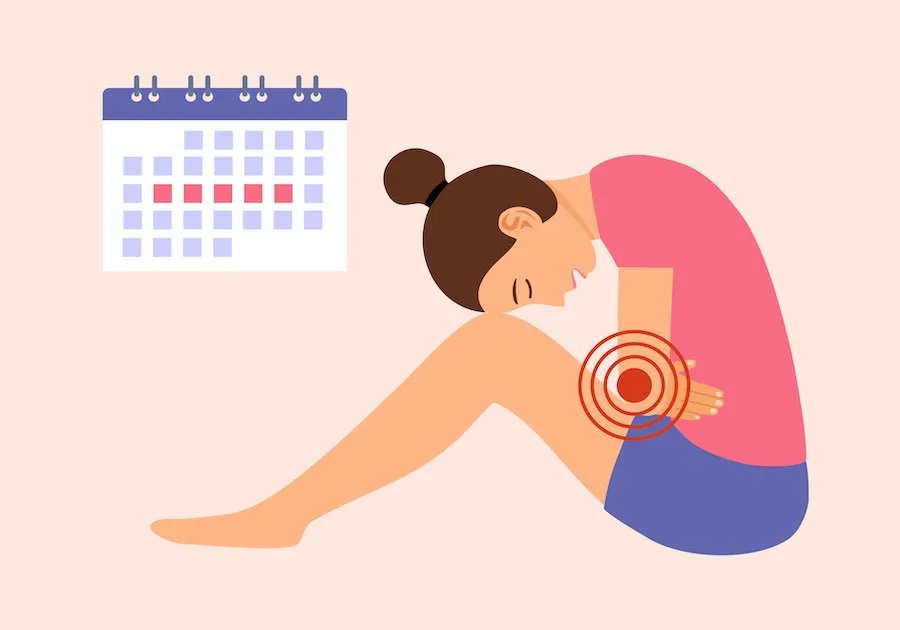
Chronic pain syndrome may cause patients to suffer from both mental and physical symptoms. The pain can be nearly constant, but also flare with increased physical activity or stress. Common symptoms include muscle aches; joint pain; fatigue; burning pain; mood swings like irritability, anxiety and depression; trouble sleeping; and decreased flexibility and stamina.
Common Causes
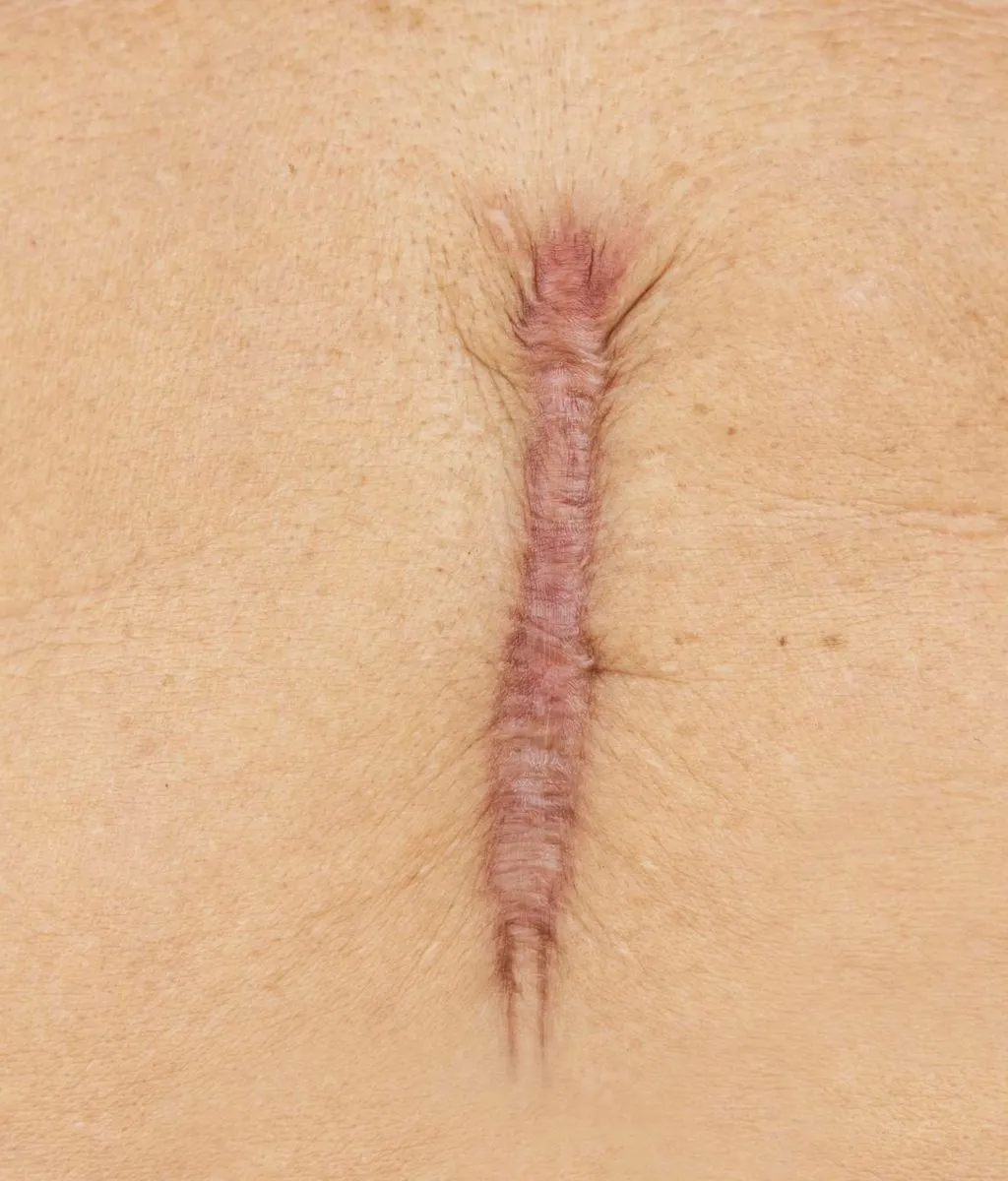
Even after being treated with therapy and medication, some patients can still experience intense pain. This pain is the result of miscommunication between the nervous system and the brain. Even though these conditions can be long-lasting, they may not be chronic pain syndrome. Other reasons for chronic pain include advanced cancer, surgical trauma and diseases including:
Rheumatoid Arthritis: An autoimmune disease that causes painful joint inflammation.Osteoarthritis: The wearing down of the protective cartilage between bones.Fibromyalgia: A neurological condition that causes tenderness and pain in different body parts, also referred to as trigger points.Back Pain: Pain that may arise from spinal stenosis (arthritis in the spine), nerve compression or muscle strains.Inflammatory Bowel Disease: Chronic inflammation of the digestive tract causing cramping and intestinal pain.Results of Chronic Pain
The leading south Miami pain center states that experiencing chronic pain may change how neurons behave, making them hypersensitive to pain messages. For instance, 20 percent of people suffering from osteoarthritis get knee replacements and are presumed to no longer suffer from painful joint issues. However, medical professionals are baffled to learn that many patients have reported chronic pain even after this procedure.
Knowing the Risks
Certain populations are more susceptible to contracting chronic pain syndrome, including those with:
Depression: Medical experts are still unclear on the reason for the correlation, but one theory suggests that depression modifies the way the brain receives and interprets messages from the nervous system.Arthritis: A painful, chronic condition generally found in older adults, causing difficulty in movement.Obesity: Fifty percent of people seeking obesity-related treatment tend to suffer from mild to severe pain caused by the additional weight’s stress on the body.Smoking: Experts suggest that smokers suffering from various chronic pain disorders including fibromyalgia and arthritis experience intense pain.Age: People 65 years or older are likely to suffer from various types of ailments including chronic body pain.Fibromyalgia vs. Chronic Pain Syndrome
Although they are different disorders, fibromyalgia and chronic pain syndrome are likely to occur together. Chronic pain syndrome generally has an identifiable trigger like arthritis or a broken bone that did not properly heal, while fibromyalgia is a nervous system disorder characterized by fatigue and joint and muscle pain.
Diagnosing Chronic Pain Syndrome
It is important to visit Pain Management Miami center to consult an experienced medical specialist. The doctor will gather medical history information through questions like:
Have your parents or grandparents ever suffered from any kind of chronic health issue or pain?How and when did the pain begin? Is the pain aching, dull, sharp or burning?Where in the body is intense pain being experienced? Is it in a particular part or different parts?Is there anything currently being taken that is providing relief or does anything make it worse?Testing
Certain health conditions might result in chronic pain syndrome, so the doctor is likely to prescribe tests. Imaging tests help determine if the patient is suffering from tissue or joint damage that could cause the pain. An MRI can determine if pain is arising from a herniated disk, while an X-ray can check if the problem is osteoarthritis. Blood tests can help determine conditions like rheumatoid arthritis. The kind of test prescribed by the doctor will be based on the patients’ current health condition and symptoms.
Finding the Cause
The doctor will not prescribe just any pain medication. they will first try to determine the direct cause of the chronic pain. They will continue investigating for alternatives if there are no symptoms indicating injury or other health issues. Only after knowing the exact cause of the pain, the doctor will suggest medications or therapies. This precaution is to safely ensure that the patient is provided with the very best treatment and quick relief.



























Sign in to leave a comment.