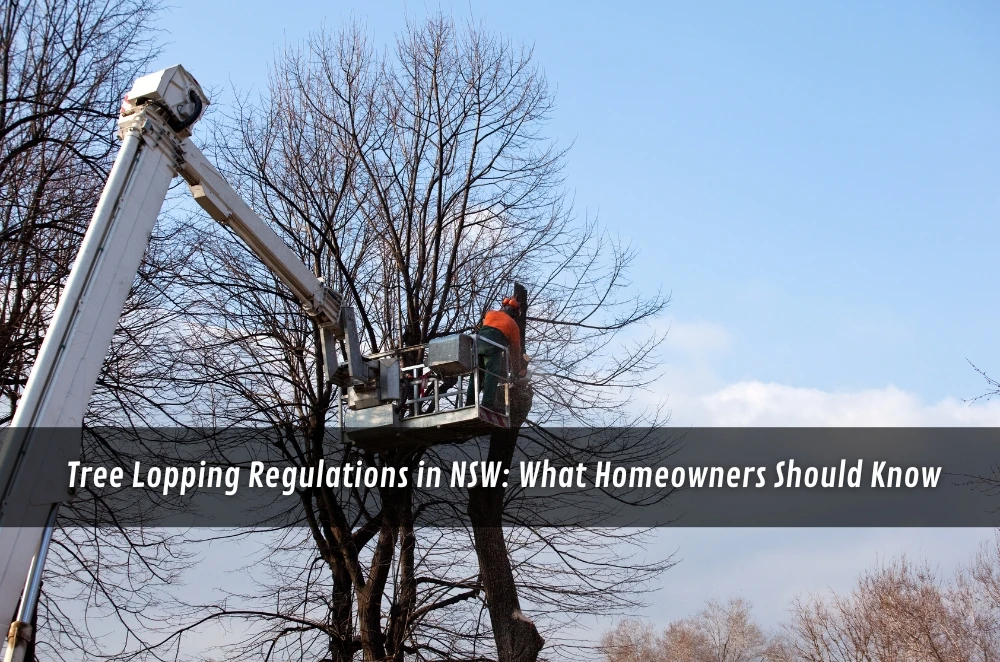

If you’re staring at a leaning gum near the fence line and wondering what’s legal in New South Wales, you’re not alone. The rules can feel like alphabet soup—TPOs, DCPs, 10/50, WHS. In this guide, I’ll unpack the essentials so you can make safe, compliant decisions—and know when to call licensed arborists in to do the work properly.
Quick lay of the land: Who regulates what?
Tree work in NSW sits under a few umbrellas:
- Local councils manage Tree Preservation Orders (TPOs) and Development Control Plans (DCPs). These decide when you need approval to prune or remove.
- NSW Rural Fire Service (RFS) runs the 10/50 Vegetation Clearing Scheme in designated bush fire areas.
- Work health & safety (WHS) regulators set the safety rules for how tree work must be done (think: climbing, rigging, machinery, electric lines, drop zones).
A simple way to think about it:
Approvals (can I do it?) are typically council or RFS.
Safety (how do we do it?) is WHS—and professional arborist practice.
For example, Service NSW reminds homeowners that local rules differ by council, and that State Environmental Planning Policy and DCPs steer many tree decisions. It’s why the very first step is checking your council’s conditions before touching a saw.
10/50 scheme: When clearing is allowed without council approval
If your property sits inside a mapped “10/50 entitlement area,” you may remove certain vegetation without consent in order to reduce bushfire risk:
- Trees within 10 metres of your home
- Underlying vegetation (not trees) within 50 metres of your home
- You must confirm your address on the RFS online tool immediately before work starts, because mapped areas can change.
A few practical notes from the RFS materials and reviews:
- The 10/50 Code of Practice sits behind the scheme and outlines exclusions and environmental care requirements.
- Despite allowances, there are location-based exclusions (e.g., certain environmentally sensitive areas), and you carry a duty of care for erosion, landslip, and similar risks.
- Even when 10/50 applies, safety law still applies (more below). The scheme is about approvals, not how to physically do the job.
Tip: If you’re close to bushland, use the RFS Check 10/50 map before every job. The entitlement area lines do move over time.
Outside 10/50: Council rules still bite
Not in a 10/50 area, or the tree falls outside the scheme’s allowances? You’re back in council territory:
- Councils publish Tree Preservation Orders / DCPs spelling out which species and sizes need approval, and what counts as exempt (e.g., dead trees, specific species lists, hazardous limbs). Examples like the Inner West DCP show how councils guide when consent is required.
- Many councils also keep procedures and forms online, plus lists of preferred arborists and insurance requirements.
- Expect to provide arborist reports for larger removals or where risk and amenity values are in tension.
Service NSW’s homeowner page is a solid first stop; it explains that rules differ by council and points you towards the right local pathway.
Safety law: Why qualifications matter even on private property
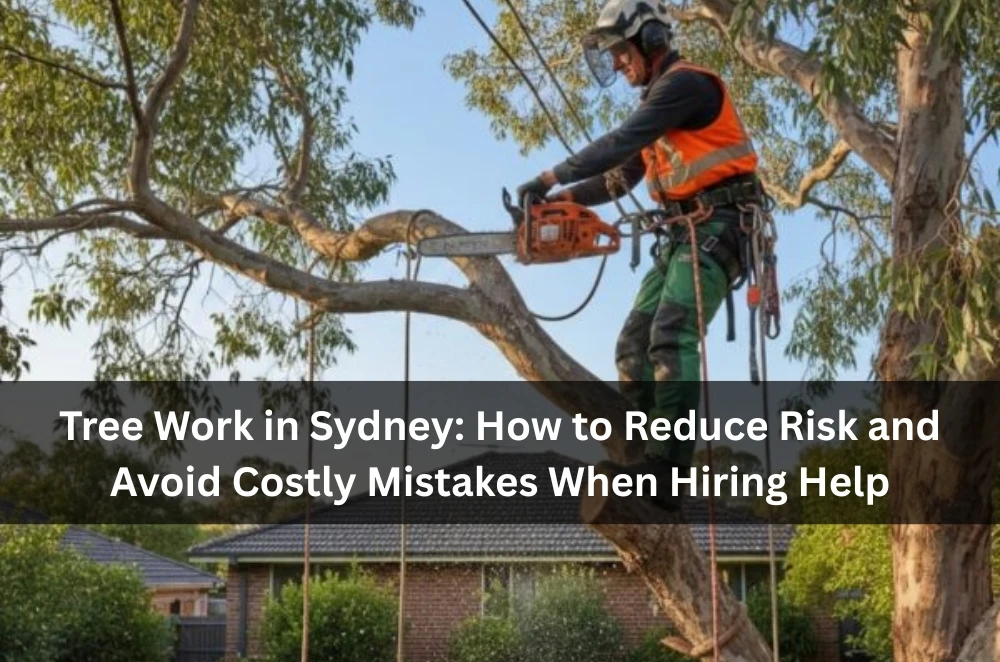
Even if a tree is legally approved for removal, the work itself must follow WHS rules. For example, Safe Work Australia’s guide to tree trimming and removal sets out duties, risk controls and methods for:
- Falls from height (climbing, rope access, MEWPs)
- Electrical hazards (overhead lines)
- Cutting and rigging (saws, chippers, landing zones, tag lines)
- Noise and manual handling (PPE, fatigue, work sequencing)
This is where using professional crews with training, systems and insurance matters. If a contractor is injured—or a limb crushes a neighbour’s fence—you want to know the work was done under a proper WHS framework. SafeWork NSW echoes this emphasis with additional local guidance and training resources.
To dig into safe methods, see the tree trimming safety guidelines.
A homeowner’s step-by-step checklist (NSW)
- Check the 10/50 map
- Enter your address in the RFS tool. Screenshot the result for your records—handy if you engage a contractor or get a compliance query later.
- If 10/50 applies, confirm the scope
- Trees within 10 m? Shrubs and ground fuel within 50 m? Any exclusions (e.g., riparian corridors) that might still block clearing? Then cross-check the Code for any conditions.
- If 10/50 doesn’t apply, go to the council.
- Find your council’s tree page and DCP/TPO. Some councils publish quick assessment tools or species lists. (Example: Inner West links its Tree Management DCP.)
- Scope the job complexity
- Over houses? Near powerlines? Big timber with heavy lateral limbs? Those factors push you squarely toward experienced pros with formal rigging setups.
- Engage qualified contractors
- Ask for:
- Current public liability insurance and workers’ compensation
- Evidence of training/qualifications (AQF in arboriculture, EWP/rigging tickets)
- A written method statement (drop zones, traffic control, utilities checks)
- Cleanup, chipping, and stump grinding inclusions
- Document before-and-after
- Photos, approvals, 10/50 map checks, and invoices—all in a folder. If questions arise, you’ll thank yourself.
Two real-world scenarios (and what we learned)
1) Suburban Sydney, post-storm cleanup
After a summer storm in Parramatta, a spotted gum dropped a limb over a driveway. The property wasn’t in a 10/50 area. Council consent was needed because diameter/height thresholds were exceeded and the species was protected. The arborist’s report noted prior defects—old pruning wounds and included bark. Takeaway? Storm-damaged trees can still be regulated, and you may need a proper application even when it feels “urgent.” We coordinated with the council, set a short-term barrier, and used controlled rigging to avoid tile damage. The neighbour thanked us—no fence drama.
2) Bush interface on the Central Coast
Different story. Here, the home sat inside the 10/50 entitlement area. That allowed the removal of a leaning tree within 9 m of the dwelling without council approval. The crew still followed WHS controls—dedicated spotter, powerline clearance confirmed, and staged lowering to protect a water tank. Lesson: 10/50 helps with approvals, but WHS still governs the how, and the risk profile doesn’t magically shrink because paperwork is lighter.
How to vet a tree contractor (fast)
- Insurance and licences: Ask for certificates and ticket numbers. Verify expiry dates.
- Recent comparable jobs: Photos of similar trees and settings—over roofs, tight drop zones, fences.
- References and local knowledge: Councils vary; a contractor who “speaks DCP” often saves you time.
- Method statements: Look for mention of drop zones, rigging plans, traffic management, chip containment, tooling (e.g., top-handles, friction devices), and cleanup.
- Clarity on extras: Stump grinding, green waste removal, tracing underground services—spell them out.
When in doubt, bring in licensed arborists to audit the tree and quote options (prune, weight reduction, staged removals, full removal).
NSW nuances that trip people up
- Boundary and neighbour issues: A branch over your fence isn’t a blank cheque. If protected, you may still need consent. (The NSW Land and Environment Court also hears certain tree disputes, but involves professionals early.)
- Powerlines: Work near overhead lines may need coordination and special permits. Check SafeWork NSW’s guidance and your local DNSP.
- Development vs maintenance: Tree removal for a development can follow different approval pathways than simple maintenance. The NSW Planning Portal outlines when removal is complying development or needs a DA.
- 10/50 confusion: People sometimes assume “10 metres” applies to any structure. It’s about the dwelling, and shrubs vs trees are treated differently. Always re-check the RFS page and the Code before cutting.
Handy internal and external reading (placeholders to be replaced by editor)
To round out a content cluster on Medium and help readers dive deeper:
- Bold, internal cross-link suggestion: council tree removal permits
- (Why it helps: homeowners routinely ask, “Do I need a permit?” This explainer can map standard council thresholds, exempt species, and typical evidence needed.)
- Neutral authority explainer (non-competing): AS 4373 pruning standards
- (Why it helps: many readers want to understand what “correct pruning” means. A neutral association or training body can unpack AS 4373 in plain English.)
Putting it all together: A simple decision path
- Is the tree within 10 m of your dwelling?
- Yes, and you’re in a mapped 10/50 area: Likely exempt from council consent—confirm on the RFS tool and check the Code details.
- No or not in 10/50: Go to your council’s TPO/DCP page first.
- Is the work complex or near services/structures?
- Yes: Prioritise WHS, bring in qualified crews, and insist on clear method statements. See the national tree trimming safety guidelines for the safety nuts and bolts.
- Still unsure?
- Seek a site-specific assessment from licensed arborists and attach their notes to your application (if needed).
Final notes for homeowners
- Compliance in NSW is a two-lane road: permission (council/RFS) and safety (WHS). You need both.
- The 10/50 scheme exists for bushfire resilience but isn’t a blanket approval for everything, everywhere. Check the map and Code every time.
- Professional crews bring systems, equipment, and insurance you can’t DIY. If you want a quiet life—and a safe site—hire them.

















Sign in to leave a comment.