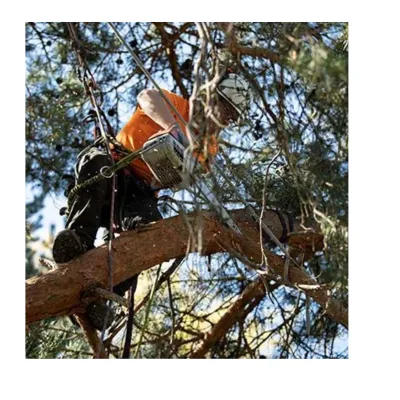

Trees add shade, beauty, and value to a property, but healthy growth does not happen entirely on its own. Overgrown, damaged, or poorly positioned branches can eventually create safety and maintenance concerns. Tree pruning is a practical way to manage these issues while supporting better tree structure and long-term health.
What Is Tree Pruning and Why Does It Matter?
Tree pruning is the selective removal of branches, limbs, or growth that may be dead, damaged, diseased, or poorly positioned. The goal is not simply to cut branches but to improve the tree's structure and remove growth that could cause future problems.
When pruning is done correctly, it can improve airflow through the canopy, reduce unnecessary weight, and encourage healthier branch development.
How Can Tree Pruning Prevent Weak Branches?
Branches that grow at narrow angles or develop with poor attachment can become weak as the tree gets larger. During strong winds, these branches may split or break.
Strategic tree pruning can identify and reduce problematic growth before it becomes a major structural concern. Removing selected branches early can help the tree develop a more balanced framework.
Can Tree Pruning Help Prevent Storm Damage?
Yes. A dense or poorly structured canopy can catch strong winds, while dead and damaged branches may break more easily during storms.
By removing hazardous limbs and reducing selected areas of excessive growth, tree pruning can help reduce the number of branches vulnerable to wind damage. However, pruning cannot guarantee that a tree will withstand severe weather.
How Does Tree Pruning Support Tree Health?
Dead, diseased, and damaged branches can become entry points for decay, pests, and other problems. Leaving them in the canopy may allow issues to spread or attract unwanted insects.
Proper tree pruning removes selected problem areas and allows the tree to direct its resources toward healthier growth. Cuts should be made carefully because excessive pruning can stress the tree.
When Is the Best Time for Tree Pruning?
The ideal timing depends on the tree species, climate, pruning objective, and condition of the tree. Some routine pruning is often performed during dormant periods, while damaged or hazardous branches may require attention regardless of season.
Property owners should consider the specific tree rather than following a one-season-fits-all approach.
How Can Tree Pruning Keep Branches Away From Buildings?
Branches growing toward roofs, windows, gutters, utility lines, or other structures can become difficult to manage as they mature.
Selective tree pruning can redirect growth and create appropriate clearance. The objective is to remove only the necessary branches while preserving the tree's natural structure.
Can Tree Pruning Improve Sunlight and Airflow?
A crowded canopy can block sunlight and restrict airflow between branches. This may create conditions where moisture remains trapped within dense foliage.
Careful tree pruning can open selected areas of the canopy, allowing better light penetration and air movement. The tree should still retain enough foliage to support healthy growth.
What Is the Difference Between Strategic and Excessive Pruning?
Strategic pruning removes specific branches for a clear purpose. Excessive pruning removes too much live growth and can leave a tree stressed, unbalanced, or vulnerable to future problems.
A useful rule is to prune with a reason behind every cut. Tree pruning should improve the tree rather than simply make the canopy smaller.
How Often Should Trees Be Pruned?
There is no universal pruning schedule for every tree. Young trees may need structural pruning as they develop, while mature trees may require occasional maintenance or removal of damaged growth.
The right frequency depends on species, age, location, growth rate, and previous maintenance. Regular inspection is often more useful than following an arbitrary calendar.
Can Property Owners Prune Trees Themselves?
Small pruning tasks may be manageable when the branches are easy to reach and the cuts are straightforward. However, large limbs, trees near power lines, steep areas, or damaged trees can create significant risks.
Professional assistance is generally the safer option when pruning involves climbing, heavy branches, difficult access, or structural concerns.
What Happens If Trees Are Never Pruned?
Not every tree requires frequent pruning, but neglected trees can develop dead branches, crossing limbs, excessive density, and structural weaknesses over time.
In some cases, delaying maintenance means larger branches eventually need to be removed. Early tree pruning can address smaller problems before they become more complicated and expensive.
What Is a Simple Example of Strategic Tree Pruning?
Imagine a mature tree growing beside a home. One large branch extends toward the roof, while several smaller dead branches are located throughout the canopy.
Instead of cutting back the entire side of the tree, a pruning professional can selectively remove the dead branches and the problematic limb. This approach improves clearance while maintaining much of the tree's natural shape.
Why Should Tree Pruning Be Based on the Tree's Structure?
Every tree has a different growth pattern. Removing branches without understanding how they connect can create weak points or encourage undesirable regrowth.
Good tree pruning considers branch unions, canopy balance, tree species, growth direction, and the reason for each cut. This makes pruning a form of tree management rather than simple branch removal.
Conclusion: Why Is Strategic Tree Pruning Worth Considering?
Tree pruning is more than cutting away unwanted branches. When performed thoughtfully, it can support healthier growth, improve structural balance, maintain clearance around property, and reduce certain preventable tree problems.
The key is moderation and purpose. Whether the goal is removing damaged limbs, improving canopy structure, or keeping branches away from a building, strategic pruning can help trees remain safer and healthier for years to come.
























Sign in to leave a comment.