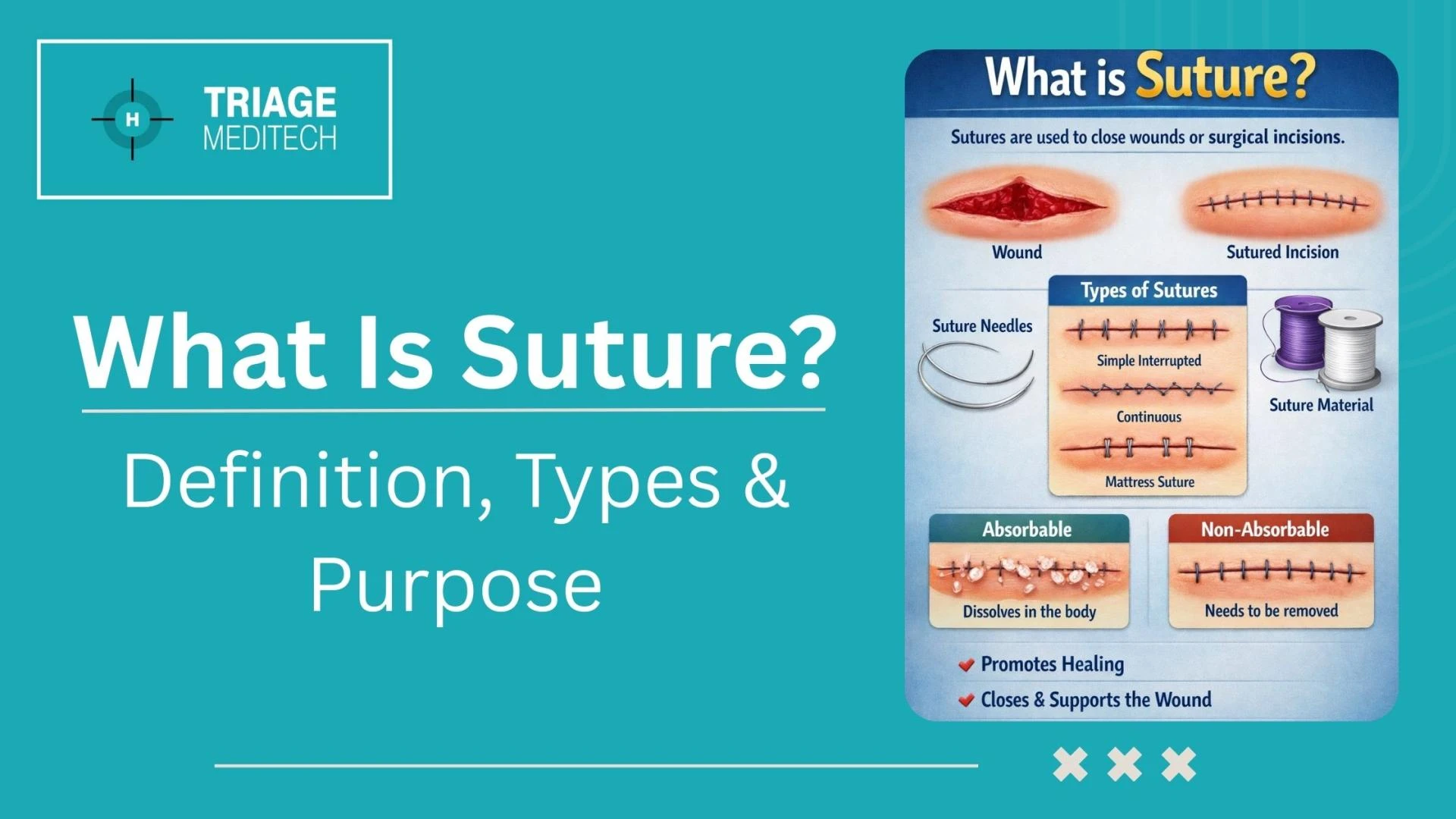

In surgical and wound management practice, selecting the correct type of suture is essential for proper tissue healing, infection control, and cosmetic results. Sutures are more than just surgical threads—they provide mechanical support to tissues until the body restores its natural strength.
Different surgical situations require different suture materials and techniques. From minor skin closures to complex internal surgeries, the right suture choice directly impacts patient outcomes. In this comprehensive guide, we will explore the classification, materials, techniques, sizes, and clinical uses of various types of sutures.
What Is a Suture?
A suture is a sterile medical filament used to close wounds or surgical incisions. It helps hold tissues together during the healing process and reduces the risk of bleeding and infection.
The ideal type of suture should:
- Provide adequate tensile strength
- Cause minimal tissue reaction
- Be easy to handle and knot
- Match the tissue healing time
- Minimize scarring
Classification of Type of Suture
Sutures are mainly classified based on three factors:
- Absorbability
- Filament structure
- Material composition
Let’s examine each in detail.
1. Classification Based on Absorbability
Absorbable Sutures
Absorbable sutures are broken down by the body over time. They eliminate the need for removal and are commonly used in internal tissues.
Common Absorbable Sutures
- Vicryl (Polyglactin 910) – Popular for soft tissue closure
- Monocryl (Poliglecaprone 25) – Smooth monofilament option
- PDS (Polydioxanone) – Long-lasting absorbable suture
- Plain or Chromic Catgut – Natural absorbable suture
Clinical Uses
- Internal organ repair
- Subcutaneous tissue closure
- Obstetric and gynecologic surgeries
- Pediatric procedures
Absorbable sutures are ideal when temporary wound support is sufficient.
Non-Absorbable Sutures
Non-absorbable sutures are not degraded by the body and provide long-term strength.
Common Non-Absorbable Sutures
- Nylon – Common in skin suturing
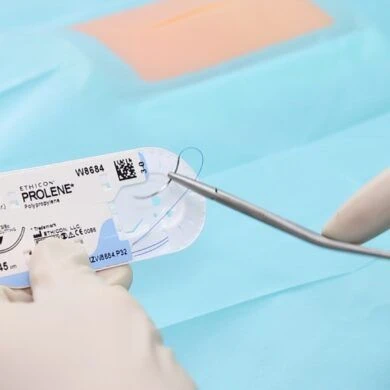
- Prolene (Polypropylene) – Used in vascular surgery
- Silk – Easy handling, good knot security
- Polyester – High tensile strength
Clinical Uses
- Skin closure
- Cardiovascular procedures
- Orthopedic surgeries
- Tendon repair
These sutures may require removal if placed externally.
2. Classification Based on Filament Structure
Monofilament Sutures
Monofilament sutures consist of a single smooth strand.
Advantages
- Reduced infection risk
- Minimal tissue drag
- Lower tissue trauma
Disadvantages
- Less flexible
- Slightly weaker knot security
Examples: Nylon, Prolene, Monocryl.
Multifilament (Braided) Sutures
These sutures consist of multiple strands braided together.
Advantages
- Excellent knot security
- Flexible and easy to handle
- Strong tissue grip
Disadvantages
- Higher infection risk due to capillary action
- More tissue reaction
Examples: Vicryl, Silk, Polyester.
3. Classification Based on Material Origin
Natural Sutures
Derived from biological sources.
- Silk
- Catgut
They are less commonly used today because synthetic options produce less tissue reaction.
Synthetic Sutures
Made from synthetic polymers and widely used in modern surgery.
- Vicryl
- Nylon
- Prolene
- PDS
Synthetic sutures provide predictable absorption and improved safety.
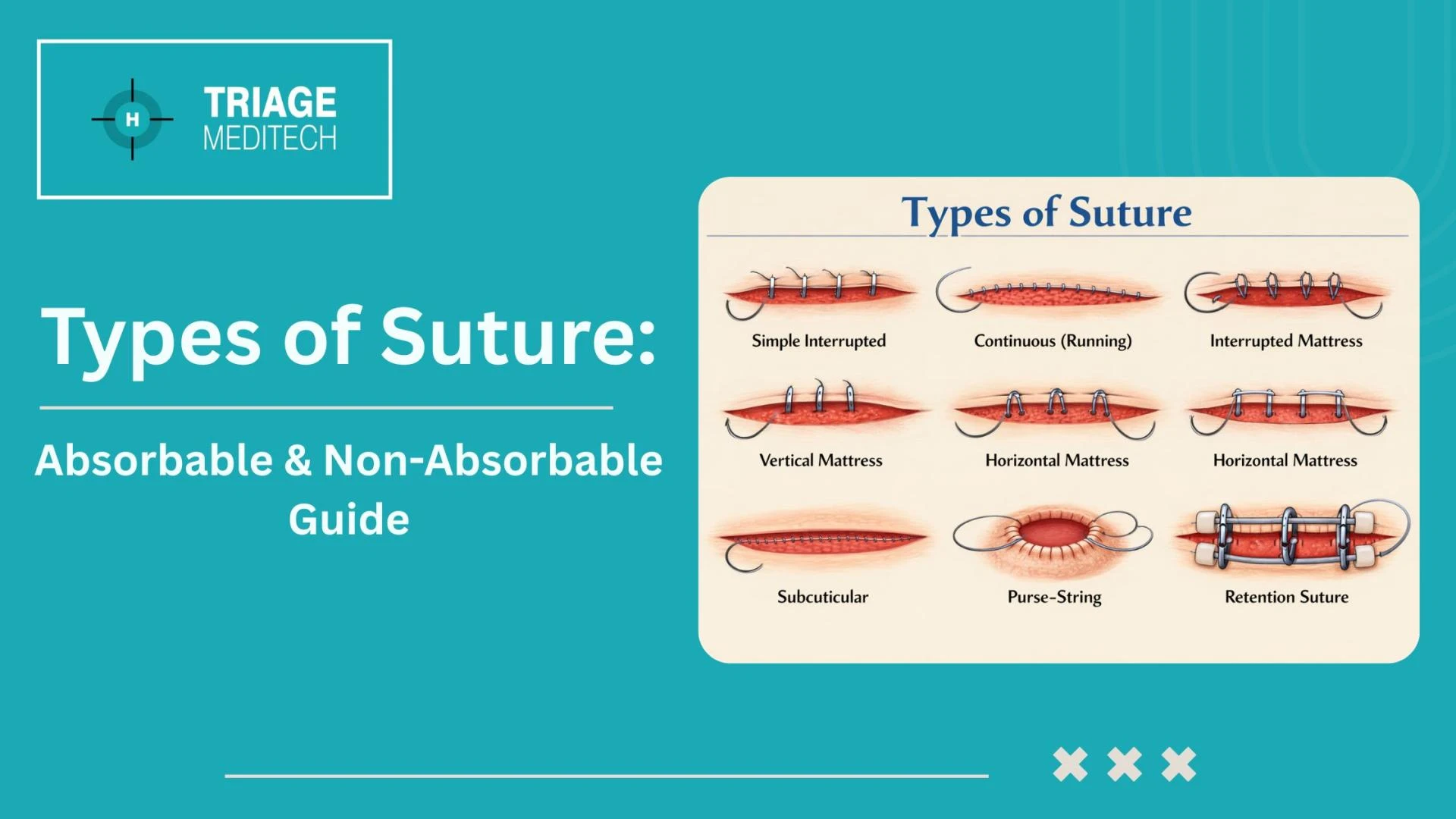
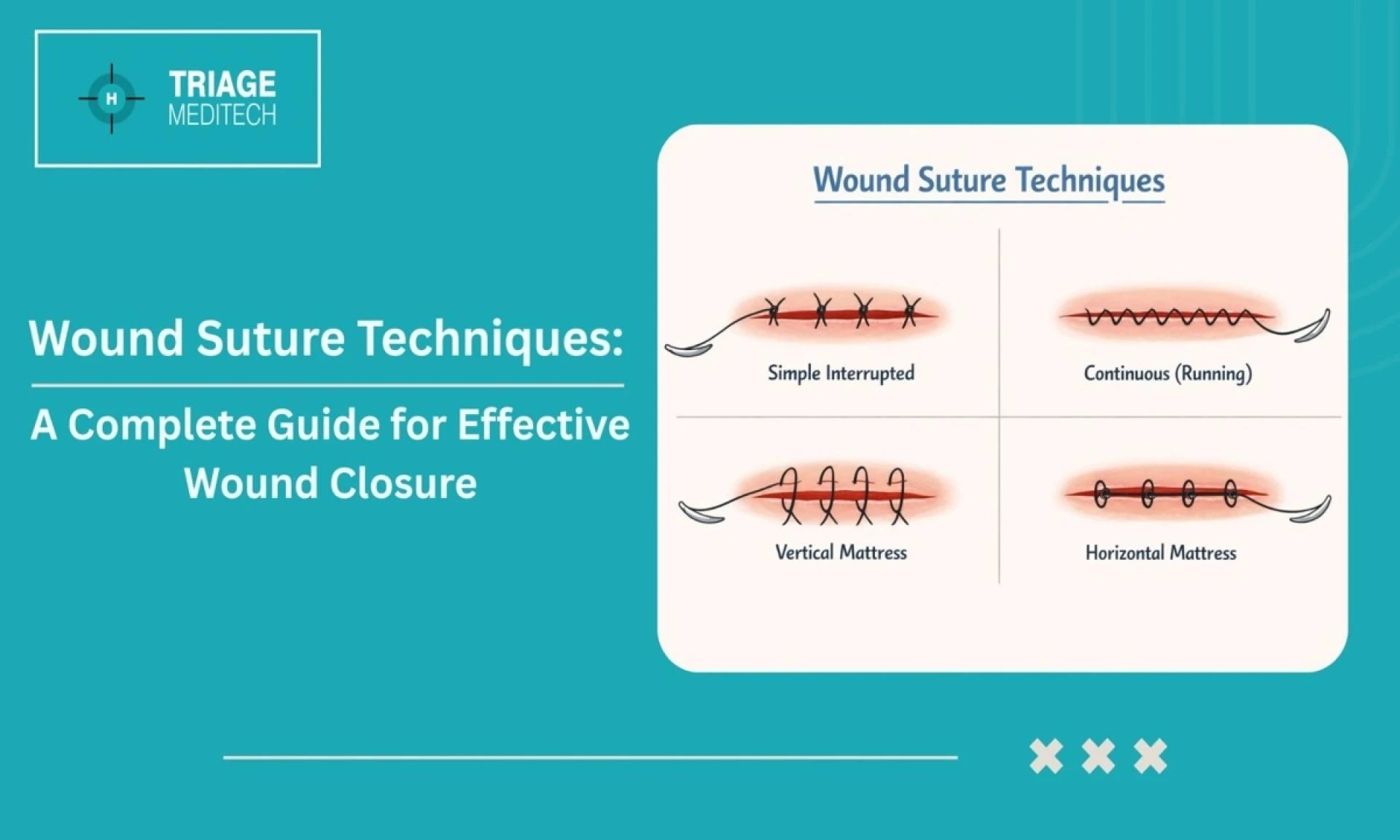
Types of Suture Techniques
In addition to selecting the correct type of suture material, choosing the appropriate suturing technique is equally important.
Interrupted Sutures
Each stitch is tied separately.
Benefits
- Strong wound closure
- Reduced risk if one knot fails
- Good for irregular wounds
Commonly used in traumatic injuries and skin suturing.
Continuous Sutures
A single thread is used to close the entire wound.
Benefits
- Faster technique
- Even distribution of tension
- Less suture material required
Often used in abdominal and long surgical incisions.
Mattress Sutures
Vertical Mattress
- Provides deep and superficial support
- Reduces wound tension
Horizontal Mattress
- Prevents wound edge inversion
- Useful in fragile skin
Subcuticular Sutures
Placed beneath the skin surface for cosmetic closure.
- Minimal scarring
- Common in plastic surgery
- Usually absorbable
Suture Size Guide
Suture size is indicated by numbers. The greater the number before zero, the thinner the suture.
Examples:
- 11-0 or 10-0 – Microsurgery
- 6-0 or 5-0 – Facial wounds
- 3-0 or 2-0 – General skin closure
- 1 or 2 – Orthopedic and high-strength needs
Choosing the correct size ensures adequate support without damaging tissue.
Factors Influencing Suture Selection
When selecting the appropriate type of suture, surgeons consider:
Tissue Healing Time
- Rapid healing tissue → Absorbable
- Slow healing tissue → Non-absorbable
Infection Risk
Monofilament sutures are preferred in contaminated wounds.
Wound Tension
High-tension wounds require stronger sutures like PDS or Polyester.
Cosmetic Outcome
Fine sutures or subcuticular techniques reduce scarring.
Patient Health Condition
Chronic illnesses may require longer wound support.
Complications of Incorrect Suture Choice
Improper selection of the type of suture can result in:
- Wound dehiscence
- Infection
- Excessive scarring
- Tissue necrosis
- Suture granuloma
Proper training and material knowledge help prevent these issues.
Conclusion
Understanding the different type of suture options is fundamental for successful wound management and surgical outcomes. From absorbable to non-absorbable, monofilament to braided, each suture material and technique serves a specific purpose.
Careful evaluation of tissue type, healing time, tension, infection risk, and cosmetic importance ensures the best possible results. With advancements in synthetic materials and improved surgical techniques, modern sutures provide safer, stronger, and more predictable healing outcomes.
Selecting the right suture is not just a technical decision—it is a critical step toward optimal patient recovery and safety.

























Sign in to leave a comment.