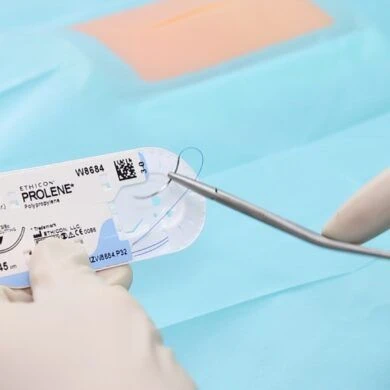

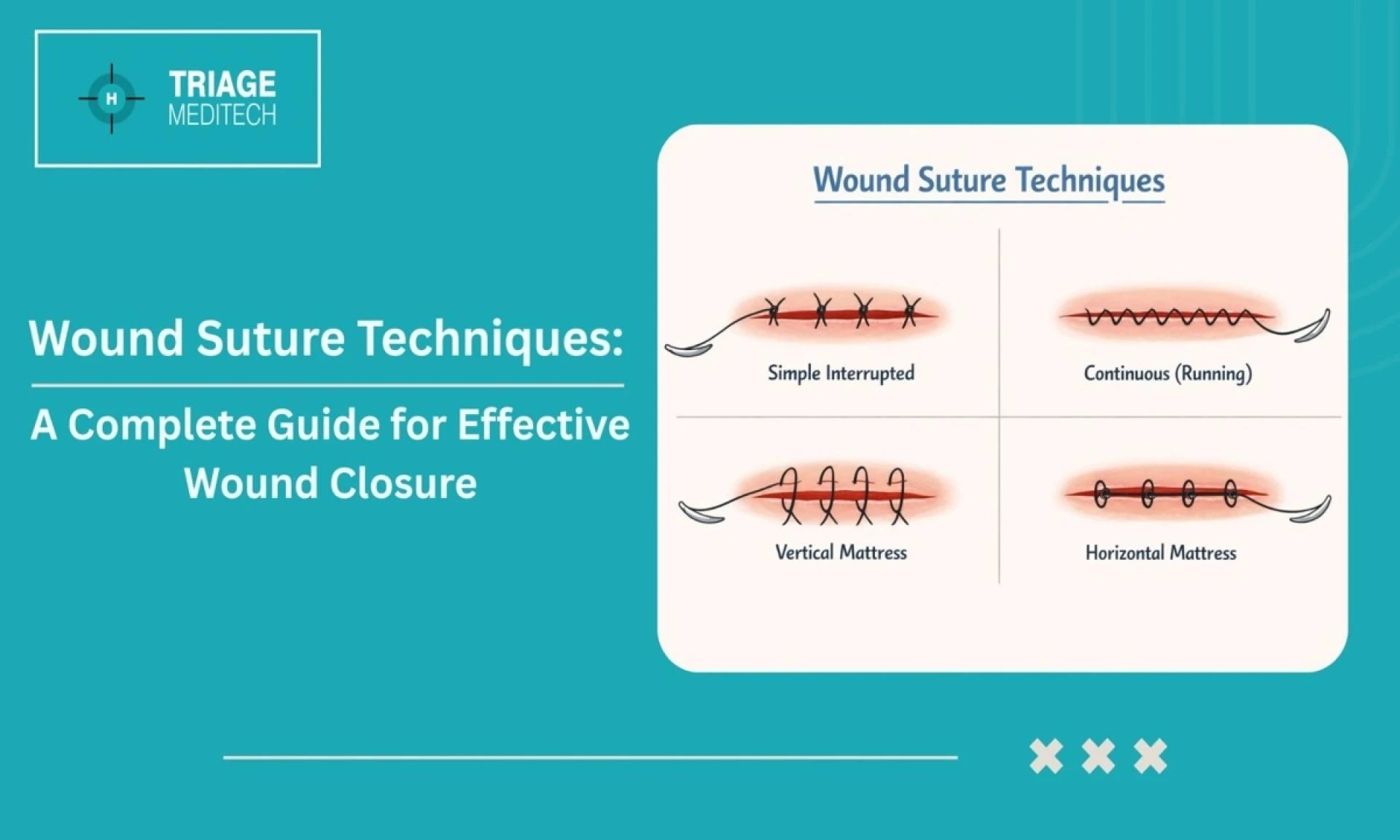
Sutures are one of the most fundamental tools in medicine and surgery. From closing superficial skin wounds to repairing deep internal tissues, sutures play a vital role in ensuring proper healing, reducing infection risk, and achieving optimal cosmetic and functional outcomes. Understanding the types of suture and their specific applications is essential for healthcare professionals, medical students, and anyone involved in wound management.
This article provides a comprehensive overview of sutures, their classification, materials, and clinical uses to help you make informed decisions in medical practice.
What Is a Suture?
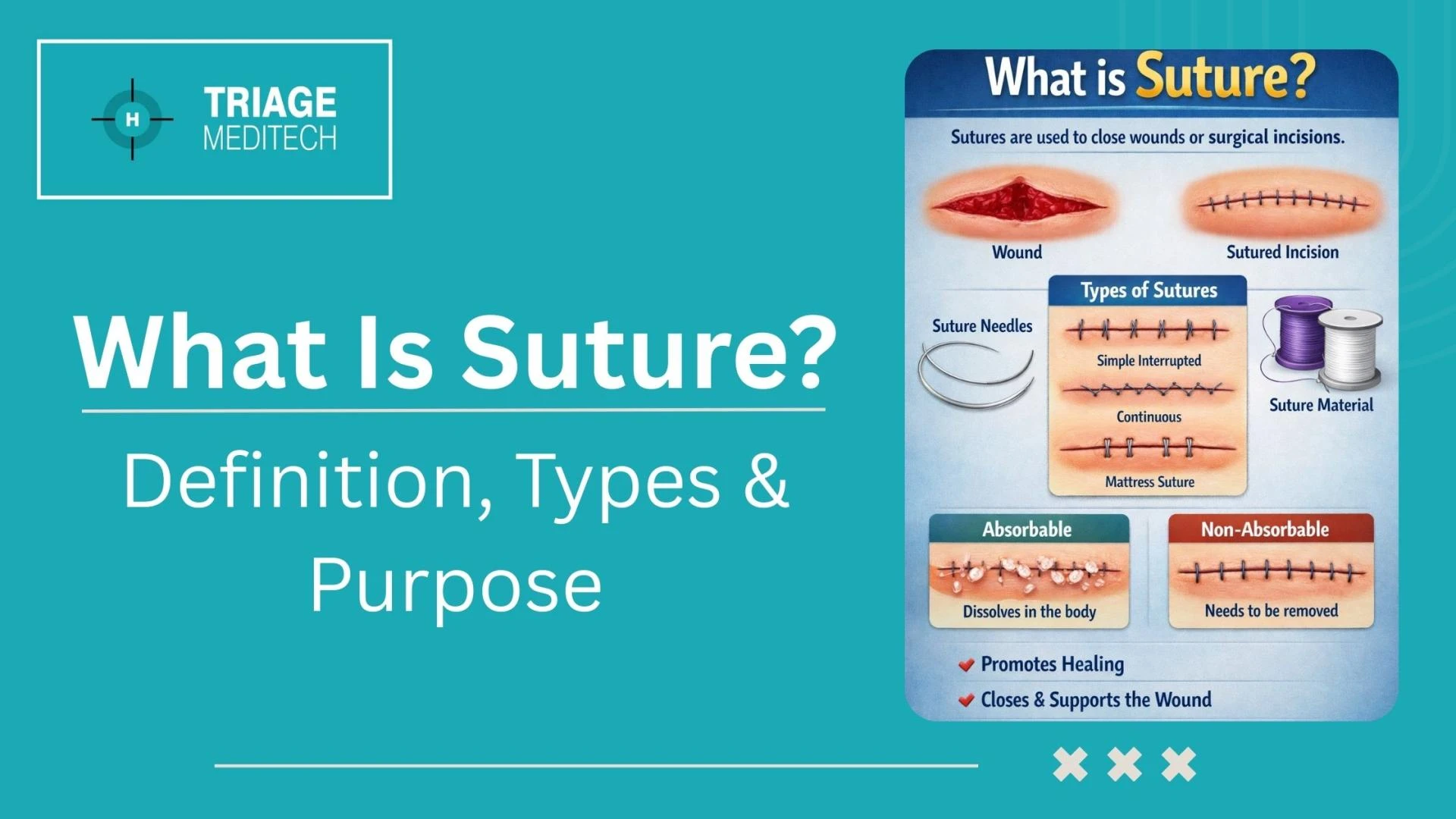
A suture is a sterile medical thread used to stitch tissues together after injury, surgery, or trauma. Sutures help maintain tissue alignment during the healing process and provide the necessary tensile strength until natural tissue repair occurs.
The choice of suture depends on factors such as tissue type, healing time, wound tension, and risk of infection.
Classification of Types of Suture
Sutures are broadly classified based on absorbability, structure, and material composition. Each type serves a specific medical purpose.
Absorbable Sutures
Absorbable sutures are designed to break down naturally within the body over time through enzymatic action or hydrolysis. These sutures do not require removal and are commonly used for internal tissues.
Common Types of Absorbable Sutures
Natural Absorbable Sutures
- Catgut (Plain and Chromic): Made from animal collagen; used in soft tissue approximation and gynecological procedures.
Synthetic Absorbable Sutures
- Polyglycolic Acid (PGA): Strong and predictable absorption, ideal for general soft tissue closure.
- Polyglactin 910 (Vicryl): Commonly used in subcutaneous tissue and mucosal closure.
- Polydioxanone (PDS): Offers prolonged tensile strength, suitable for fascia and abdominal closure.
Advantages of Absorbable Sutures
- No need for suture removal
- Reduced long-term foreign body presence
Limitations
- Gradual loss of tensile strength
- Not suitable for tissues requiring prolonged support
Non-Absorbable Sutures
Non-absorbable sutures are designed to retain tensile strength indefinitely and are either removed after healing or left permanently in the body.
Common Types of Non-Absorbable Sutures
Natural Non-Absorbable Sutures
- Silk: Easy handling and knot security; commonly used in cardiovascular and gastrointestinal surgery.
Synthetic Non-Absorbable Sutures
- Nylon: Strong, minimal tissue reaction, widely used for skin closure.
- Polypropylene (Prolene): Excellent tensile strength and flexibility, ideal for vascular and plastic surgery.
- Polyester: Used in orthopedic and cardiovascular procedures.
Advantages of Non-Absorbable Sutures
- Long-term tissue support
- High tensile strength
Disadvantages
- Requires removal if used externally
- Higher infection risk if left in contaminated wounds
Classification Based on Suture Structure
The structure of a suture affects its handling, strength, and infection risk.
Monofilament Sutures
Monofilament sutures consist of a single smooth strand.
Examples: Nylon, Polypropylene, PDS
Benefits:
- Lower infection risk
- Minimal tissue drag
Limitations:
- Less knot security
- Slightly difficult handling
Multifilament (Braided) Sutures
Multifilament sutures are made of multiple fibers braided together.
Examples: Silk, Vicryl, Polyester
Benefits:
- Excellent flexibility
- Superior knot security
Limitations:
- Higher risk of bacterial colonization
- Increased tissue drag
Specialty Sutures
Advancements in medical technology have led to the development of specialized sutures for improved outcomes.
Barbed Sutures
- Eliminate the need for knots
- Used in cosmetic, laparoscopic, and minimally invasive surgeries
Antibacterial Sutures
- Coated with antimicrobial agents such as triclosan
- Reduce surgical site infection risk
Elastic Sutures
- Allow flexibility in high-movement areas
- Common in orthopedic and reconstructive surgery
How to Choose the Right Type of Suture
Selecting the appropriate suture depends on several clinical considerations:
- Type of tissue (skin, fascia, blood vessels)
- Healing duration
- Risk of infection
- Wound tension and location
- Patient-specific factors
Correct suture selection enhances healing, minimizes scarring, and reduces complications.
Conclusion
Understanding the types of suture is essential for effective wound closure and surgical success. From absorbable and non-absorbable sutures to monofilament and multifilament structures, each type has a unique role in medical practice. Selecting the right suture based on tissue type, healing requirements, and clinical conditions leads to better patient outcomes and fewer complications.
A strong foundation in suture knowledge empowers healthcare professionals to deliver safer, more efficient, and higher-quality care.



























Sign in to leave a comment.