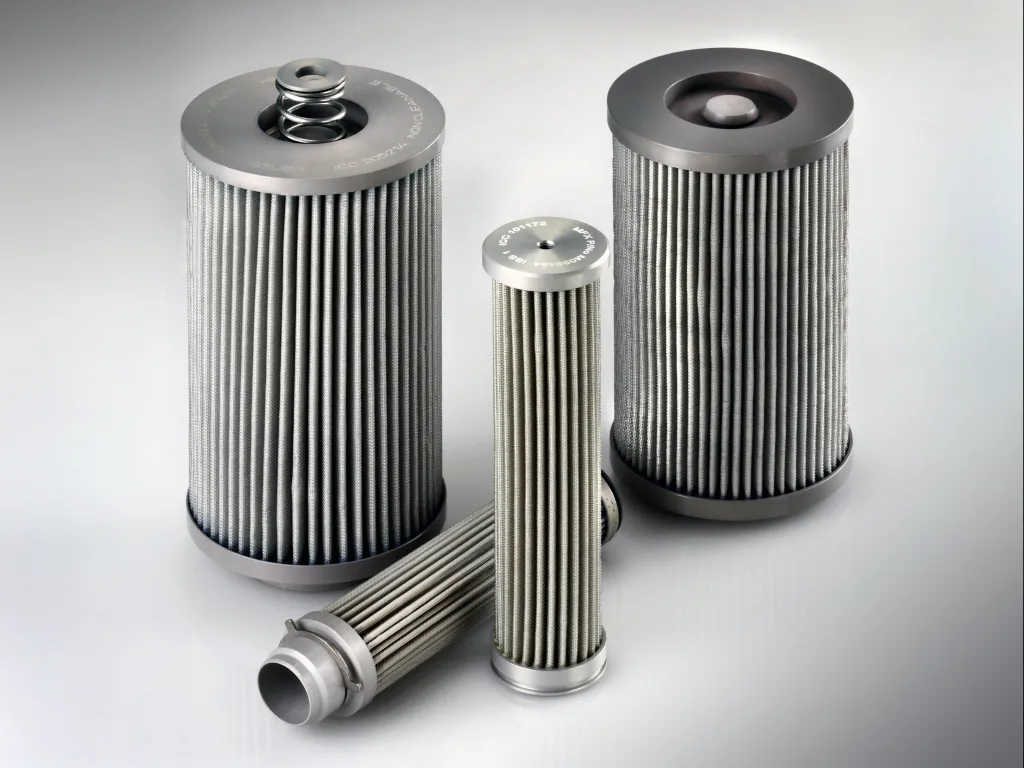

Aircraft engines operate in some of the most demanding environments, where even the smallest contaminants can affect performance, efficiency, and safety. To ensure smooth and reliable operation, various filtration systems are used within aircraft engines. These filters play a crucial role in removing impurities from air, fuel, and oil, helping protect critical components and extend engine life.
Understanding Aircraft Engine Filters
Aircraft engine filters are designed to trap and remove contaminants such as dust, dirt, metal particles, and other debris from fluids and air entering or circulating within the engine. Without proper filtration, these contaminants could cause wear, blockages, or even catastrophic engine failure.
Each type of filter serves a specific purpose and is strategically placed within the engine system to maintain cleanliness and optimal performance.
1. Air Intake Filters
Air intake filters are responsible for cleaning the air that enters the engine for combustion. Since aircraft often operate in environments with dust, sand, and airborne particles, clean air is essential for efficient engine performance.
These filters:
- Prevent debris from entering the combustion chamber
- Protect compressor and turbine components
- Improve fuel efficiency by ensuring proper airflow
In some high-performance aircraft, advanced filtration or particle separators are used instead of traditional filters.
2. Fuel Filters
Fuel filters remove contaminants from aviation fuel before it reaches the engine. Clean fuel is critical for proper combustion and preventing damage to fuel system components.
Fuel filters help:
- Remove water, dirt, and microbial growth
- Protect fuel injectors and pumps
- Ensure consistent engine performance
They are typically installed at multiple points in the fuel system, including before and after fuel pumps.
3. Oil Filters
Oil filters are essential for maintaining the cleanliness of engine lubrication systems. As engine oil circulates, it collects metal particles, carbon deposits, and other contaminants.
Oil filters:
- Remove debris from lubricating oil
- Protect bearings and moving parts
- Extend engine life by reducing wear
Many aircraft oil filters are designed to be easily inspected, allowing maintenance crews to detect early signs of engine wear through trapped particles.
4. Hydraulic Filters
Although not always directly part of the engine, hydraulic filters are closely linked to engine-driven systems. These filters clean the hydraulic fluid used to power various aircraft components.
Their functions include:
- Preventing contamination in hydraulic systems
- Protecting valves, actuators, and pumps
- Ensuring smooth system operation
5. Breather Filters
Breather filters are used to clean the air entering and exiting engine and system compartments. They help maintain pressure balance while preventing contaminants from entering sensitive areas.
These filters:
- Remove airborne particles
- Prevent moisture intrusion
- Support proper ventilation
6. Magnetic Filters and Chip Detectors
Magnetic filters and chip detectors are specialized components used to capture metallic particles within engine oil systems. While not traditional filters, they play a vital role in engine health monitoring.
They:
- Attract and hold metal debris
- Provide early warning of component wear
- Help prevent further damage
These devices are particularly important in turbine engines, where early detection of wear can prevent major failures.
Materials Used in Aircraft Filters
Aircraft filters are constructed from high-performance materials designed to withstand extreme conditions:
- Stainless Steel Mesh: Durable and reusable in some applications
- Synthetic Fibers: Provide fine filtration and high efficiency
- Paper Elements: Used in certain low-pressure systems
- Metal Housings: Ensure structural integrity under pressure and heat
Material selection depends on the type of filter, operating environment, and maintenance requirements.
Importance of Aircraft Engine Filtration
Effective filtration is critical to aircraft engine performance and safety. Filters help:
- Maintain clean airflow and fluid circulation
- Prevent premature wear and component damage
- Improve fuel efficiency and engine reliability
- Reduce maintenance costs and downtime
Even minor contamination can lead to reduced efficiency or serious mechanical issues, making filtration a key part of engine design.
Maintenance and Inspection
Regular inspection and replacement of filters are essential for maintaining engine health. Over time, filters can become clogged, reducing their effectiveness and restricting flow.
Maintenance practices include:
- Checking for blockages or pressure drops
- Replacing filter elements at scheduled intervals
- Inspecting captured debris for signs of wear or damage
Proper maintenance ensures that filters continue to perform their protective role effectively.
Conclusion
Aircraft engine filters are vital components that protect engines from harmful contaminants and ensure efficient operation. From air intake and fuel filters to oil and hydraulic filtration systems, each type plays a specific role in maintaining engine performance and reliability.
By keeping air and fluids clean, these filters help extend the life of engine components, improve safety, and support smooth operation in even the harshest environments. As aviation technology advances, filtration systems continue to evolve, offering higher efficiency and better protection for modern aircraft engines.




























Sign in to leave a comment.