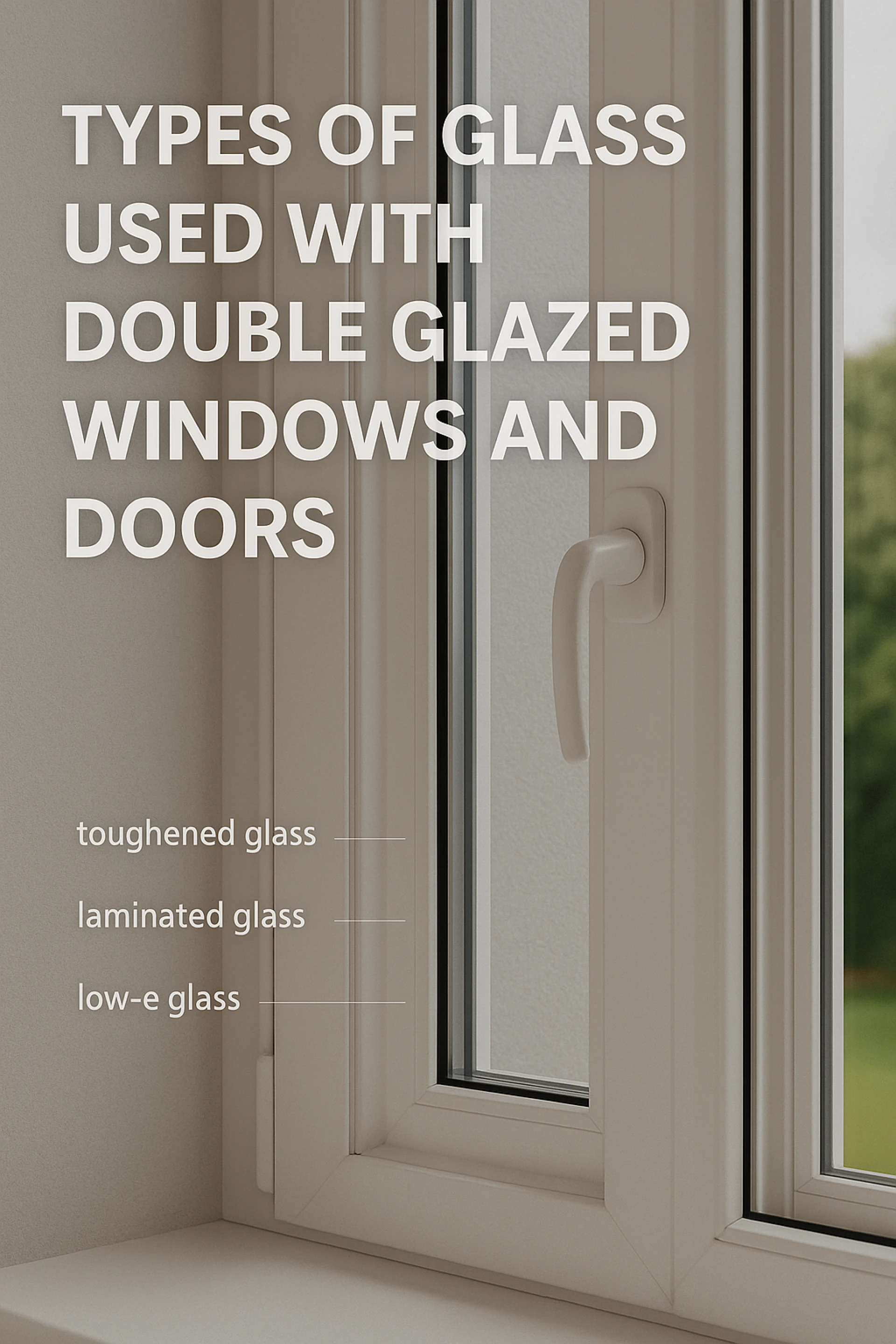

There are many reasons why double glazed windows and doors are becoming the first preference of homeowners and commercial building owners. They add value and sustainability to any property and contribute enormously towards their energy efficiency, security, and sound insulation. In short, these double glazed windows and doors enhance the property’s value and provide long-term durability for any residential or commercial property. This concept is simple to understand as there are two panes of glass instead of one fitted in one frame, with a slight gap in between. This gap is filled with dehydrated air or some inert gases that play a significant role in energy efficiency and provide better security to your property. Let us quickly understand what double glazed is and why it is so popular in the doors and windows industry.

WHAT IS DOUBLE GLAZING?
Double glazed windows and doors consist of two glass panes fitted in one frame of these installations, and these panes have a small gap in between. They are both sealed inside the frame, and a vacuum is created between them and then filled with some inert gases like Xenon, Krypton, Argon, or Sulphur Hexafluoride. These gases provide these glasses with the ability to save energy and make your home more pleasant and comfortable from the inside. The gap between these two things is generally 6 to 20 millimetres, and different types of glasses are used to improve the energy efficiency, durability, and longevity of these windows.
WHY USE DOUBLE GLAZED WINDOWS AND DOORS?
Double glazing, along with uPVC windows and doors, has become the most effective solution in terms of energy efficiency, environmental sustainability, and enhanced curb appeal and resale value. Double glazing installed in uPVC windows in Melbourne is also known to contribute to sound insulation, security and trimmed energy bills.
HOW MANY TYPES OF GLAZING ARE THERE?
Vendors of uPVC windows in Melbourne and double glazed windows and doors offer different types of glazing options based on your needs. The thickness of the glass has a significant impact on the U-value and SHGC, also known as the Solar Heat Gain Coefficient. It also plays a massive role in sound-proofing capabilities and durability. Let us quickly review the most common glass types used by vendors of double glazed windows and doors, as well as uPVC windows and doors.
LOW EMISSIVITY GLASS
Low-emissivity glass, also known as low-e-glass, is coated with a special layer that allows sunlight to enter your home. The amount of heat that escapes is reduced, and it influences heat transfer and redirects heat around inside the property to keep it warmer and cosier. Using this glass instead of standard glass can reduce energy consumption, and the amount of heat loss is also reduced by almost 70%.
WHAT IS TONED GLASS?
Toned glass means colours are added to the glass, as studies suggest that these colours can significantly influence the Solar Heat Gain Coefficient as well as visible transmittance. This means the u-value will not be impacted, and different colours are used to enhance the performance of uPVC windows. For example, bronze and grey colours cut down on infrared radiation and visible light, whereas blue or green colours allow more visible light, but at the same time, they also let more heat in. Tinted glasses are ideal for uPVC windows in Melbourne if they receive a lot of direct sunlight. In this situation, you can cut down troublesome glare while ensuring that the views are not obstructed at all. Double glazed windows and doors go really well with Low-E-glasses, toned glasses as well as super-toned glasses. They all absorb heat and contribute towards cooler interiors in the summer season.
WHAT ARE LAMINATED GLASSES USED IN UPVC WINDOWS IN MELBOURNE?
Laminated glass has a thin layer of plastic on both sides of the glass, which is referred to as the interlayer. It strengthens the glass and prevents it from shattering. It is also known as safety glass and is a popular option to use in conjunction with double glazed windows and doors. It is known for ultimate security, sound reduction, cutting down ultraviolet rays and ease of installation. It can withstand impacts better and will not shatter, keeping people around it completely safe. It also plays a significant role in reducing noise pollution and the amount of ultraviolet rays entering your home. It can be applied to PVC windows, as well as double glazed windows and doors, for exceptional results and performance.
Learn More:
























Sign in to leave a comment.